A Campaign That Crossed a Line
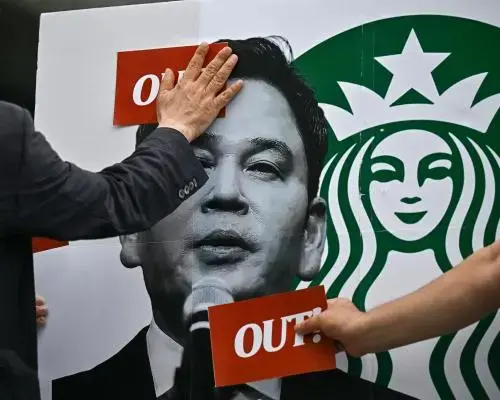
A controversial Starbucks promotion in South Korea sparked mass protests, with customers smashing branded merchandise and deleting loyalty apps. Government agencies severed ties with the chain, and stores displayed apology notices. The backlash erupted after a marketing campaign coincided with the anniversary of a 1980 pro-democracy massacre.
Latest news
 Swedish Voters Choose New Parliament as Left-Wing Coalition Projects to Win Majority
 Trump Announces End of US Tariff on Irish Whisky
 Frances Stonor Saunders, Author of CIA Cultural Espionage Exposé, Dies at 66
 Israel and Lebanon to Hold Security Talks in Rome This October
The campaign, launched for Starbucks’ 60th anniversary in South Korea, used imagery and slogans perceived as insensitive to the Gwangju Uprising. Customers accused the company of exploiting national trauma for profit. Within days, social media saw widespread calls to boycott, with prepaid balances cashed and social media accounts flooded with criticism.
What Role Did Timing Play?
Starbucks South Korea released a limited-edition cup design and promotional materials that critics claimed trivialized the 1980 Gwangju Massacre, where government forces killed hundreds of democracy protesters. The company initially defended the campaign as a celebration of its own history but faced immediate backlash. „This was a profound disrespect to survivors and their families,” said one activist group. The government’s decision to cut ties with Starbucks—including canceling corporate contracts—signaled the severity of public outrage.
The promotion launched on May 18, the first day of the Gwangju Uprising’s 44th anniversary. Critics argued Starbucks failed to research the historical sensitivity of the date. „It wasn’t just the design—it was the timing,” said a historian. The company later issued a public apology, calling the oversight „unintentional” but vowing to „deepen our understanding of local history.”
What triggered the backlash? Starbucks’ 60th-anniversary campaign in South Korea used imagery and a launch date overlapping with the 1980 Gwangju Massacre, which many viewed as exploitative.
Frequently Asked Questions
What steps has Starbucks taken to address the issue? The company issued an apology, removed the promotional materials, and pledged to review its marketing practices in South Korea.
Could this affect Starbucks’ reputation long-term? Analysts suggest the incident could harm Starbucks’ brand image in South Korea, especially if perceived as dismissive of local history.