How Public Funds Are Being Redirected to Political Messaging
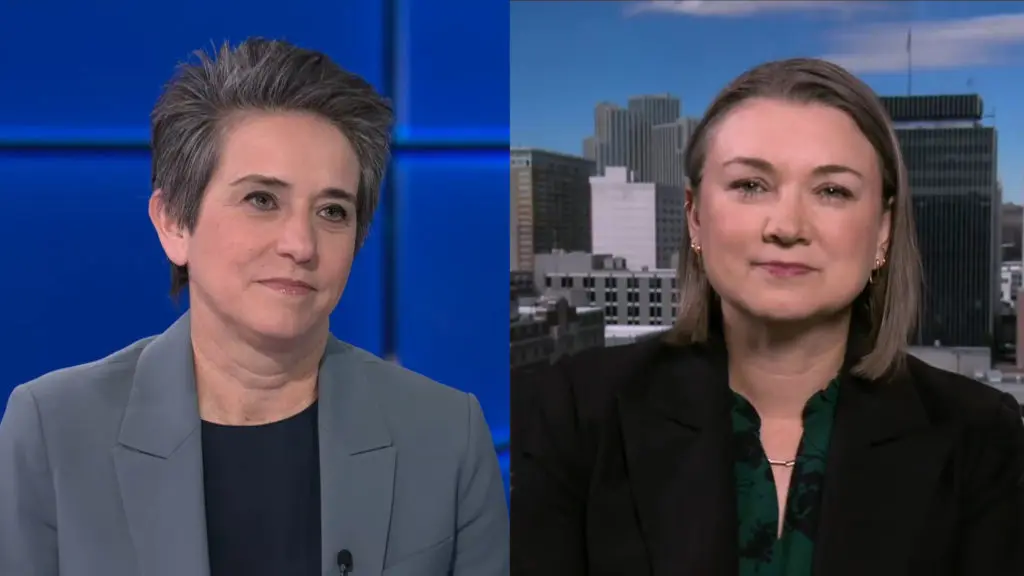
The analysts explained that the ads in question aired on local broadcast stations and featured messaging that closely resembled Trump’s 2024 campaign themes, including economic nationalism and immigration criticism. While the sponsors were listed as nonprofit organizations, investigative reporting traced funding streams back to government grants or appropriations intended for public service announcements. Keith noted that although the ads did not explicitly urge viewers to vote for Trump, their timing, tone, and content raised ethical questions about the misuse of public resources. Walter added that similar patterns had emerged in prior election cycles, suggesting a recurring tactic of leveraging taxpayer-supported media for partisan advantage under the guise of civic education.
Latest news
 US Officials Question Bail Decisions Following Security Breach at RAF Fairford
 Eighty-Seven-Year-Old Evicted Tenant Set to Return Home
 Argentina Threatens Legal Action Over Falklands Oil Drilling
 Rights Advocates Condemn Alleged Vietnamese Abductions
Investigators found that several state-level agencies had approved contracts with media firms to produce and distribute content aimed at countering „misinformation” about election integrity. However, internal emails obtained through public records requests revealed that scripts were revised multiple times to align with talking points from Trump-aligned groups. In one case, a $500,000 grant from a state education department was used to fund a series of ads aired during prime time in swing states. The ads avoided direct candidate endorsement but used imagery and language nearly identical to those in Trump’s rallies. Keith emphasized that while no law may have been broken, the practice exploits loopholes in regulations governing government communication. Walter pointed out that oversight bodies often lack the authority to review content before it airs, allowing politically charged material to slip through under broad definitions of public outreach.
Should Taxpayer Money Fund Messages That Resemble Campaign Ads?
The core debate, according to Keith and Walter, revolves around intent versus impact. Even if officials claim the ads are about informing the public on voting procedures or economic policy, their resemblance to campaign material blurs the line between education and persuasion. Walter cited a 2025 court ruling in a similar case where judges halted ad spending after determining the content amounted to impermissible partisan influence. Keith noted that Congress has considered bills to tighten definitions of permissible government speech, but none have advanced due to partisan disagreements. Both agreed that transparency is essential—citizens should know when their tax dollars are funding messages that could shape political perceptions, regardless of official labels.
Frequently Asked Questions
Who approved the use of public funds for these ads? Funding approvals came from various state agencies, often through grants labeled for public education or outreach. Specific officials varied by state, but internal records showed coordination with external groups tied to political movements.
Are there laws preventing this kind of spending? Existing laws prohibit direct campaign funding by government entities, but enforcement depends on proving intent. Critics argue current regulations are too vague to stop ads that mimic campaign content without explicit advocacy, prompting calls for reform.