The Weaponization of Biological Tropes
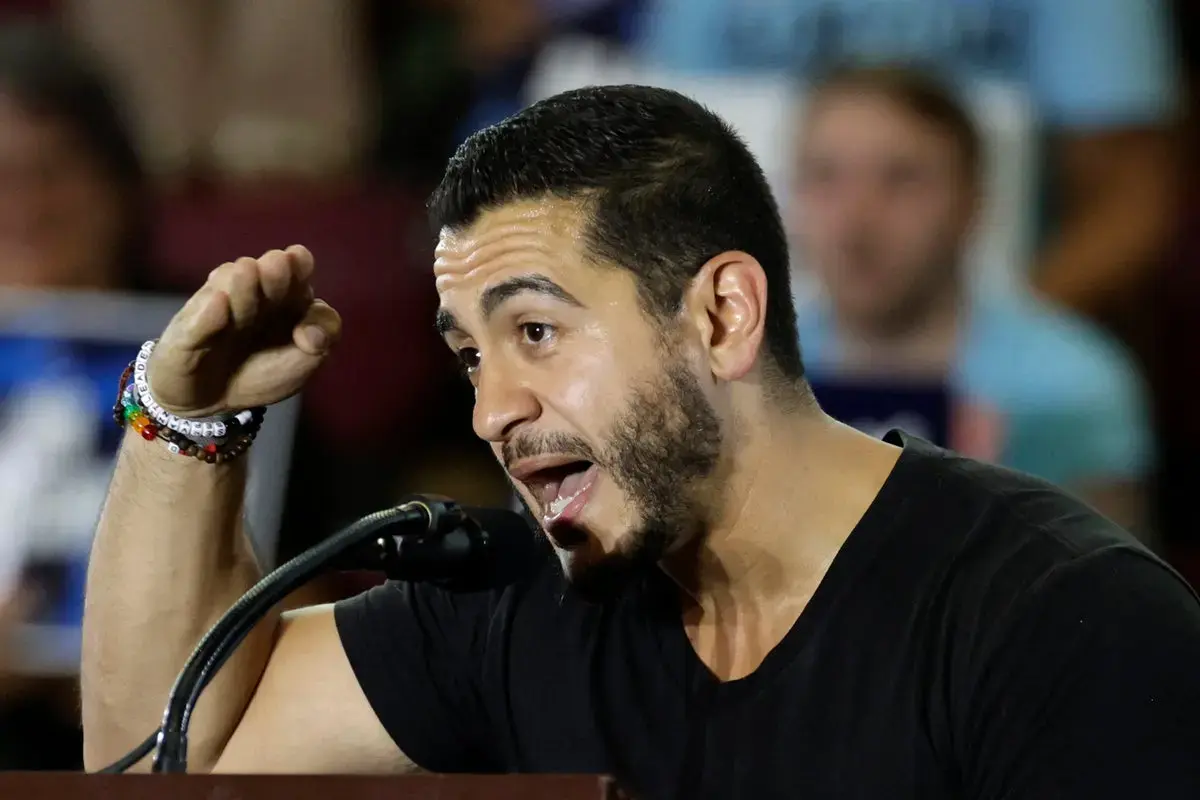
Political discourse in the United States is increasingly defined by debates over traditional manhood as midterm elections approach. Candidates are weaponizing the concept of low testosteroneto attack opponents and appeal to voters. This trend highlights a growing divide in how politicians project strength and authority to their respective bases.
Latest news
 Swedish Voters Choose New Parliament as Left-Wing Coalition Projects to Win Majority
 Trump Announces End of US Tariff on Irish Whisky
 Frances Stonor Saunders, Author of CIA Cultural Espionage Exposé, Dies at 66
 Israel and Lebanon to Hold Security Talks in Rome This October
Campaign rhetoric now frequently focuses on perceived physical and character weaknesses. By labeling rivals as having „low T,”candidates attempt to frame them as ineffective or timid. This strategy aims to resonate with voters who prioritize aggressive leadership styles during periods of national uncertainty.
The term has moved beyond medical context to become a potent political insult. It serves as a shorthand for questioning a candidate's resolve and fighting spirit. Political analysts suggest this reflects a broader anxiety regarding shifting gender roles in American society.
Is Aggression the New Political Currency?
Emory University professor Beth Reingold notes that Democratic voters specifically demand candidates who appear ready to fight. This pressure forces politicians across the spectrum to adopt more combative personas. The goal is to avoid appearing soft or indecisive in the eyes of the electorate.
The focus on hyper-masculinity risks overshadowing substantive policy debates. When campaigns prioritize displays of strength, complex issues often take a backseat to image-based attacks. This dynamic creates a polarized environment where voters choose candidates based on perceived toughness rather than legislative goals.
Frequently Asked Questions
As the midterm cycle intensifies, this trend will likely persist. Candidates who fail to project a strong image risk losing support among voters who equate masculinity with political competence. Ultimately, this focus on personal character traits threatens to deepen existing cultural fractures within the country.
What does the term low Timply in a political context? It is used as a derogatory label to suggest that an opponent lacks the strength, courage, or energy required for effective leadership.
Why are candidates focusing on this type of rhetoric? They believe it appeals to voters who prioritize aggressive, combative behavior in their representatives during high-stakes election cycles.