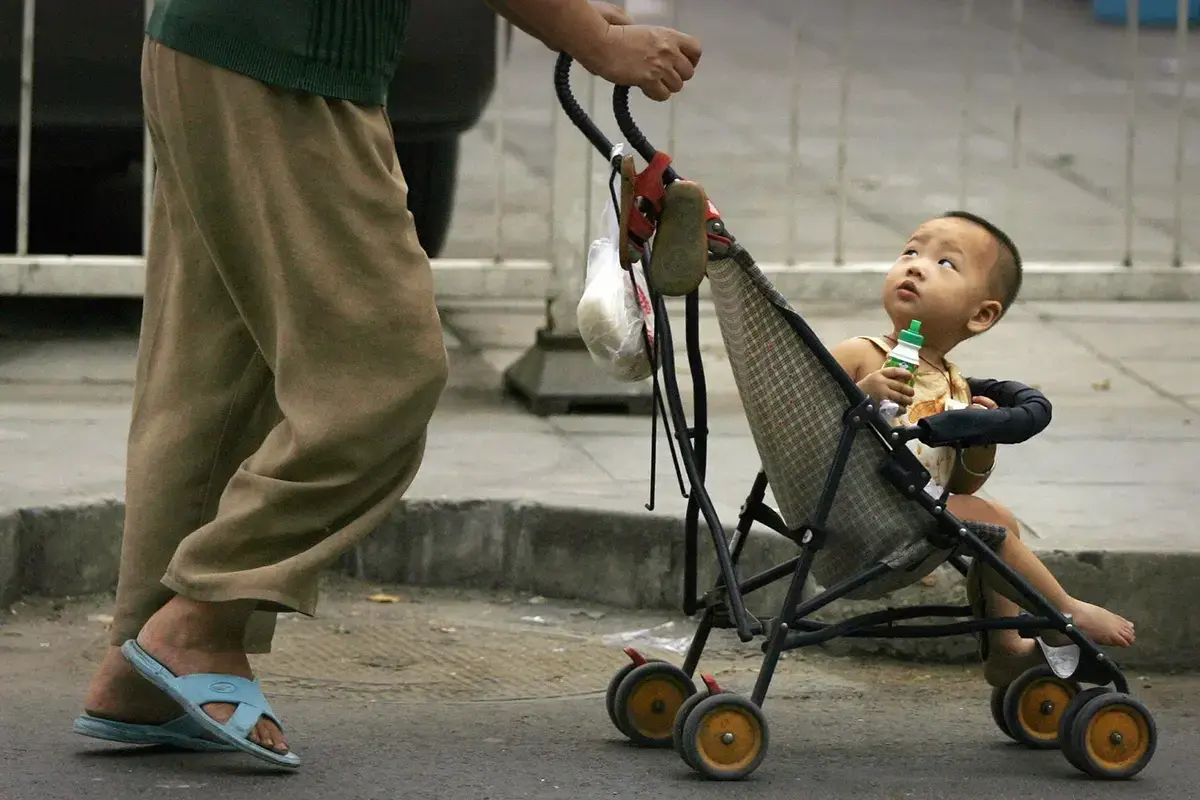
A Lucrative Business Model
The US has cracked down on a small industry, branding it a national security threat. Thousands of Chinese women travel to the US to give birth. Their newborns gain US citizenship, providing a potential pathway to residency for the family. This practice has sparked controversy.
Latest news
 Swedish Voters Choose New Parliament as Left-Wing Coalition Projects to Win Majority
 Trump Announces End of US Tariff on Irish Whisky
 Frances Stonor Saunders, Author of CIA Cultural Espionage Exposé, Dies at 66
 Israel and Lebanon to Hold Security Talks in Rome This October
The US government views birth tourism as a loophole in immigration laws. Critics argue it allows families to bypass traditional visa requirements. Birth tourism operators in the US cater to Chinese expectant mothers, offering luxurious facilities and services. These operators often charge high fees, making the practice lucrative.
Is Birth Tourism a National Security Threat?
Birth tourism has become a significant industry in the US, with some operators raking in millions. The business model relies on Chinese families seeking US citizenship for their children. This is often driven by the perception that US citizenship offers better education and career opportunities.
The US government's crackdown on birth tourism has raised questions about its true motives. While some argue it's a legitimate national security concern, others see it as a thinly veiled attempt to restrict immigration. The issue remains contentious, with proponents on both sides presenting strong arguments.
Frequently Asked Questions
The US government's actions are likely to have significant consequences for the birth tourism industry. Operators may be forced to shut down or adapt their business models. The crackdown may also deter Chinese families from pursuing US citizenship for their children.
What is birth tourism? Birth tourism involves expectant mothers traveling to the US to give birth, securing US citizenship for their children. This practice is often associated with Chinese families seeking better opportunities. Why is the US government cracking down on birth tourism? The US government views it as a loophole in immigration laws and a potential national security threat. What are the consequences for birth tourism operators? They may face shutdowns or be forced to adapt their business models.