How Satire Became a Tool of Political Resistance
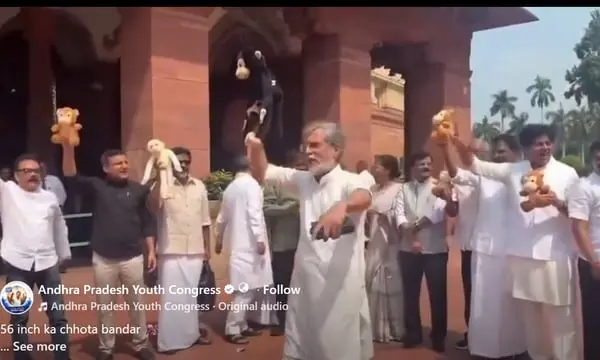
In September 2026, Indian Prime Minister Narendra Modi’s administration confronts an unprecedented surge of public ridicule that has spread from online meme culture into street protests, political rallies, and parliamentary proceedings. Critics are using satire and humor to challenge government policies, marking a shift in how dissent is expressed across the country.
Latest news
 Swedish Voters Choose New Parliament as Left-Wing Coalition Projects to Win Majority
 Trump Announces End of US Tariff on Irish Whisky
 Frances Stonor Saunders, Author of CIA Cultural Espionage Exposé, Dies at 66
 Israel and Lebanon to Hold Security Talks in Rome This October
This wave of mockery began on social media platforms where users created viral content mocking government announcements, speeches, and initiatives. Over time, the humor migrated offline, appearing on protest signs at demonstrations against unemployment and inflation, echoed in opposition party speeches during election campaigns, and even referenced during heated debates in the Lok Sabha. Analysts note that the widespread use of ridicule reflects growing public frustration, particularly among younger voters who feel disconnected from official narratives.
Can Laughter Undermine Authority?
Political commentators observe that mockery has become an accessible form of dissent in environments where direct criticism risks backlash. By using humor, critics can highlight policy failures—such as delayed economic reforms or inadequate responses to agrarian distress—while avoiding accusations of sedition or incitement. In several states, local artists and theater groups have incorporated satirical skits into public performances, drawing large crowds. One protest organizer in Jaipur explained, „When people laugh, they listen. Humor disarms tension and opens space for real conversation.” Government officials, however, have dismissed the trend as frivolous, urging citizens to focus on developmental achievements instead.
Historically, regimes have struggled to govern when legitimacy is eroded through public ridicule. Scholars point to past cases where sustained mockery preceded broader movements for accountability. While the Modi government maintains strong electoral support in many regions, the persistence of humor-based criticism suggests a deeper current of discontent. Opposition leaders have begun adopting similar tactics in their campaigns, signaling that satire may now be a permanent feature of Indian political discourse. Whether this trend will translate into electoral consequences remains uncertain, but it undeniably reshapes the relationship between power and public sentiment.
What forms has the mockery taken? It has appeared as viral memes, protest chants, satirical songs, and parody speeches delivered at rallies and in legislative assemblies.
Frequently Asked Questions
Is the government responding to this trend? Officials have largely ignored the ridicule, emphasizing economic progress and national pride, while some ministers have warned against disrespecting national symbols.
Could this affect future elections? While no direct link has been proven, analysts suggest that sustained public mockery may weaken trust in leadership over time, particularly among urban and youth voters.