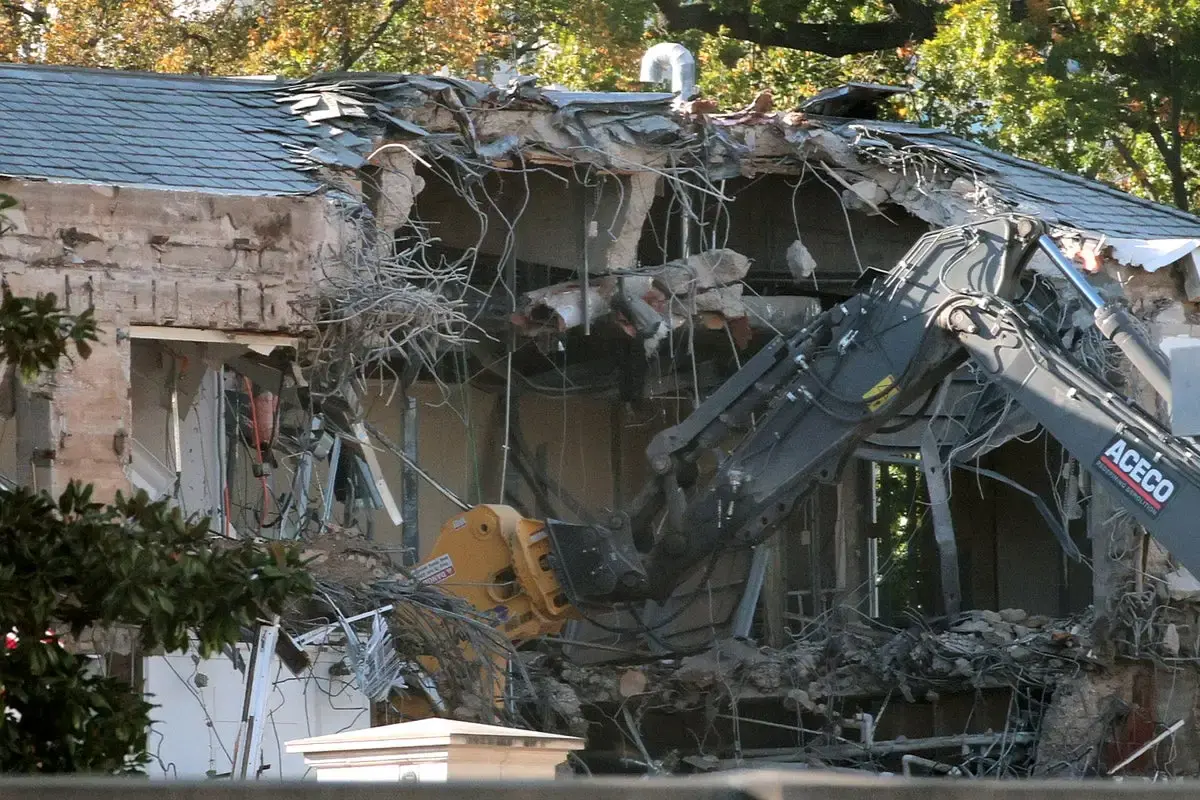
While the National Park Service manages the White House complex
The federal government has accepted voluntary donations from Americans since its founding, but recent reports suggest former President Donald Trump sought to use such contributions for a specific White House renovation project. In August 2026, discussions emerged about redirecting patriotic gifts toward constructing a new ballroom at the Executive Mansion, raising questions about the appropriate use of public funds and private contributions for official residences. Historically, citizens have donated to support government operations, from wartime bonds to infrastructure projects. However, the White House ballroom proposal stands out because it targets a symbolic space rather than essential services. Critics argue that framing such donations as patriotic could blur lines between personal legacy projects and national priorities, especially when the Executive Mansion already undergoes regular maintenance through congressional appropriations. Why This Matters for Presidential Accountability The issue centers on whether private funds should subsidize upgrades to official presidential spaces beyond standard upkeep.
Latest news
 Swedish Voters Choose New Parliament as Left-Wing Coalition Projects to Win Majority
 Trump Announces End of US Tariff on Irish Whisky
 Frances Stonor Saunders, Author of CIA Cultural Espionage Exposé, Dies at 66
 Israel and Lebanon to Hold Security Talks in Rome This October
While the National Park Service manages the White House complex, any major alteration typically requires congressional approval and adherence to preservation guidelines. Using donations earmarked as patrioticfor a ballroom could circumvent traditional budget oversight, prompting concerns about transparency and the potential for future presidents to exploit similar loopholes for personalized enhancements. How Would This Affect Future Presidents? If allowed, this precedent might encourage successors to seek private funding for individualized White House modifications, shifting financial responsibility from taxpayers to donors with potential access interests. Ethics watchdogs warn that even voluntary contributions could create perceptions of influence, particularly if donors expect recognition or favors in return. The debate underscores broader questions about maintaining the White House as a public institution rather than a reflection of any single administration's preferences. Frequently Asked Questions Are donations to the White House legally permissible?
Yes, Congress has authorized the acceptance of voluntary gifts for government use since the early republic, though funds must be used for purposes consistent with federal law and cannot create conflicts of interest. Would a new ballroom require special approval? Any structural change to the White House residence demands review by the Committee for the Preservation of the White House and likely congressional notification, given its status as a National Historic Landmark. Could donors receive tax benefits for such contributions? Contributions to the federal government are generally tax-deductible, but donors must consult IRS guidelines to ensure their gift qualifies under current regulations governing charitable giving to public entities.