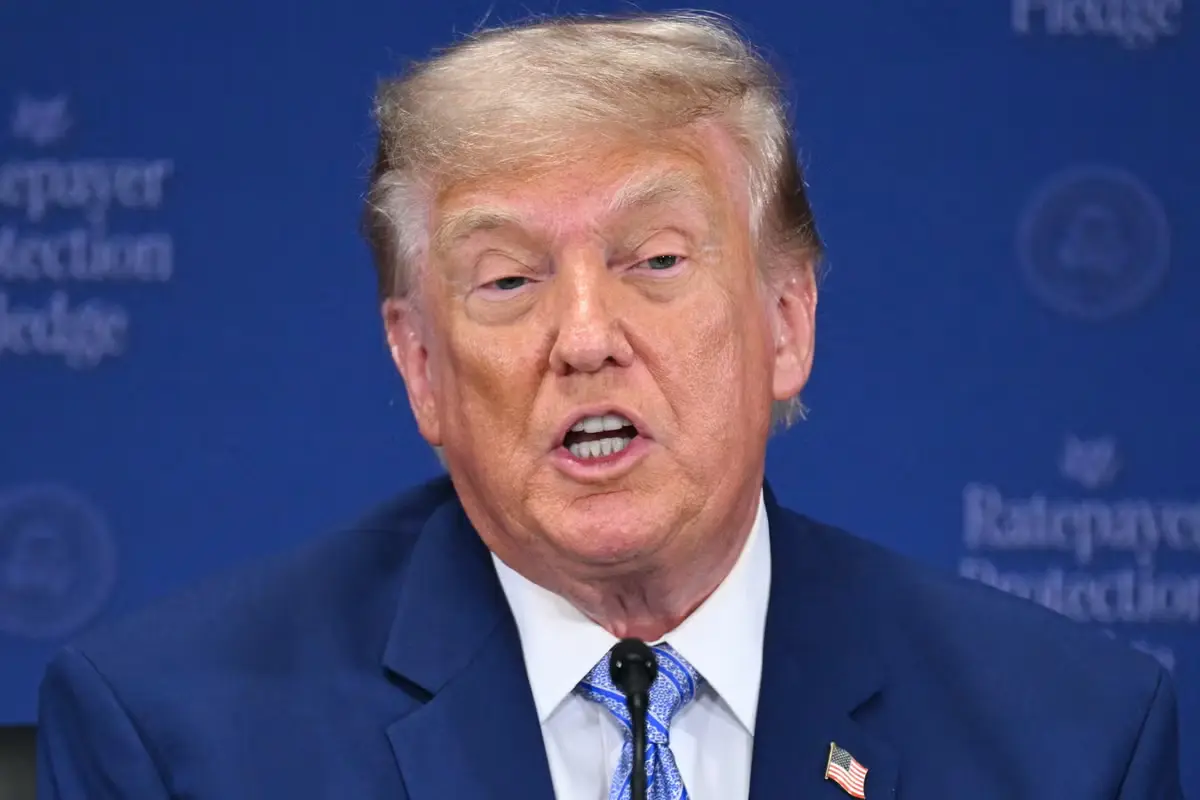
Addressing Human Rights Violations in Trade
The United States announced new tariffs on imports from 60 countries, ranging from 10% to 12.5%. This decision, made on July 23, 2026, targets nations accused of failing to adequately enforce bans on goods produced through forced labor. The U. S. government claims that these tariffs are necessary to combat human rights abuses linked to forced labor. The administration's move highlights a growing concern about international supply chains and their adherence to ethical standards.
Latest news
 US-Saudi Nuclear Talks Ignore Israel Normalisation
 Frustrated Thune Tells Trump to Secure Votes
 Trump Administration Withdraws NYT Reporters' Subpoenas
 Philippine and Chinese Foreign Ministers Clash Over South China Sea Incident
The tariffs aim to pressure countries into taking stronger actions against forced labor practices. The U. S. Trade Representative emphasized that these measures are part of a broader strategy to ensure that American consumers are not inadvertently supporting exploitative labor practices.
The affected countries include a mix of developed and developing nations, indicating a widespread issue that transcends borders. The administration has stated that it will monitor compliance closely and may impose additional tariffs if improvements are not observed.
How Will This Affect Global Trade Relations?
Experts are questioning the potential fallout from these tariffs. Some analysts believe that while the U. S. is taking a strong stance on human rights, these tariffs could strain trade relations with key partners.
Businesses that rely on imports from these countries may face increased costs, which could ultimately be passed on to consumers. The uncertainty surrounding these tariffs might also lead to disruptions in supply chains, prompting companies to reconsider their sourcing strategies.
In the long term, the U. S. hopes that these tariffs will encourage countries to adopt stricter labor standards. However, the effectiveness of this approach remains to be seen, as many nations may resist changes that could impact their economies.
Frequently Asked Questions
What are the new tariffs imposed by the U. S.? The U. S. has introduced tariffs of 10% to 12.5% on imports from 60 countries, citing inadequate enforcement against forced labor practices.
Which countries are affected by these tariffs? The tariffs impact a diverse range of countries, both developed and developing, highlighting a global issue regarding forced labor in supply chains.
What could be the long-term effects of these tariffs? While aimed at improving labor standards, these tariffs may also lead to increased costs for consumers and strained trade relations with affected countries.