Clarifying the Role of Military Support
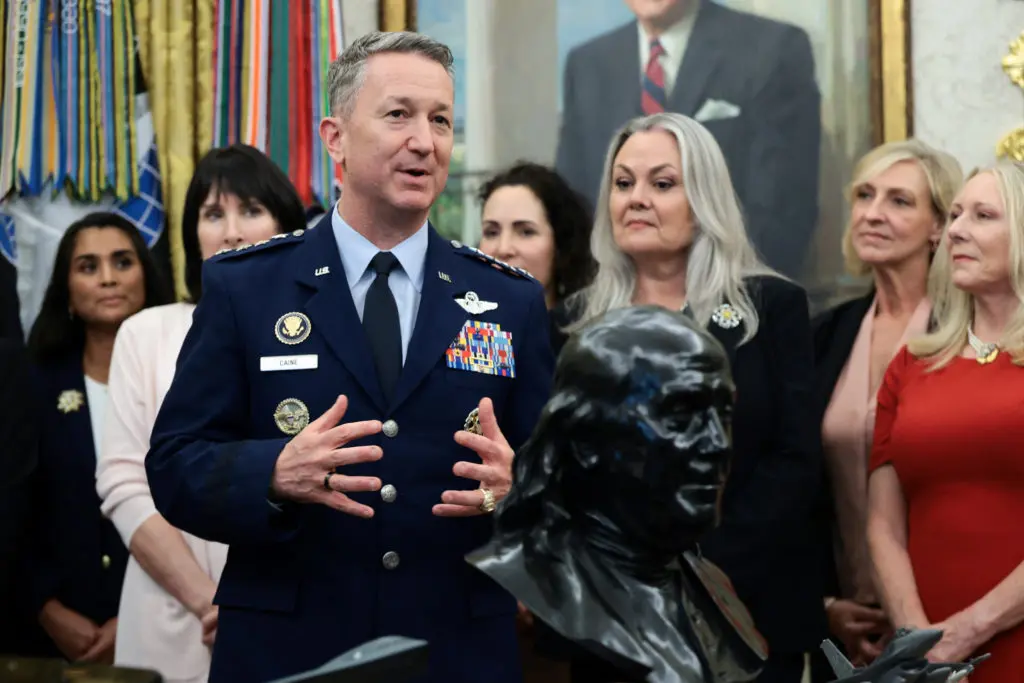
General David Caine, the highest-ranking officer in the United States Army, confirmed that military forces will not be deployed to polling stations during the upcoming November election. This statement was made in Washington, D. C., clarifying the current operational posture of the ground forces. The announcement aims to reassure voters and officials that the military remains in a support role rather than an active enforcement capacity at local voting sites across the country.
Latest news
 Swedish Voters Choose New Parliament as Left-Wing Coalition Projects to Win Majority
 Trump Announces End of US Tariff on Irish Whisky
 Frances Stonor Saunders, Author of CIA Cultural Espionage Exposé, Dies at 66
 Israel and Lebanon to Hold Security Talks in Rome This October
The Chief of Staff of the Army addressed concerns regarding potential federal intervention in the electoral process. Caine emphasized that while the Department of Defense maintains readiness, there is no immediate directive to station soldiers at specific ballot boxes. This position aligns with historical precedents where the military supports logistics but does not directly manage the act of casting votes. The general’s comments serve to distinguish between logistical support and tactical presence at the polls.
Caine explained that the absence of troops at urns reflects a deliberate strategic choice. The Army focuses on broader national security objectives, leaving local election administration primarily to civilian authorities. However, the military retains the capability to assist if requested by state or federal agencies for specific logistical needs. These needs might include transporting equipment or securing large facilities, but they do not involve individual soldiers monitoring voters. The distinction helps prevent the perception of a militarized election environment.
Will Federal Forces Monitor Local Ballots?
The general noted that planning continues for potential scenarios involving natural disasters or other emergencies that could affect voting infrastructure. In such cases, National Guard units might deploy to help clear roads or set up temporary shelters near polling places. Yet, this deployment would be reactive and situational, not a blanket policy for every precinct. Caine stressed that the goal is to keep the military visible only when necessary, preserving public trust in the democratic process.
While the Army has no standing orders to place troops at every voting location, exceptions may arise based on local conditions. State governors can request National Guard assistance under specific legal frameworks, particularly if civil unrest or infrastructure failures threaten access to ballots. Caine indicated that any such deployments would follow established protocols and require clear justification. The command structure ensures that decisions are made at the appropriate level of authority, avoiding unnecessary federal overreach into local elections.
The statement comes amid ongoing debates about the integrity of the upcoming mid-term or presidential cycle. Voters and political observers have watched closely for signals from the Pentagon regarding its involvement. By explicitly ruling out a mass troop presence, Caine seeks to stabilize expectations. He acknowledged that communication remains open with civilian leaders who might need backup for security or transportation issues.
Frequently Asked Questions
Does the Army plan to guard every polling station? No, General Caine stated there are no plans to send troops to every polling location. The military will remain in a support role unless specific logistical or security needs arise.
Can states still request National Guard help? Yes, state governors retain the ability to request National Guard assistance for specific tasks like transportation or facility security. This is distinct from a federal order to deploy active duty Army units nationwide.
Why is this clarification important now? It addresses public concerns about federal military involvement in local voting processes. Clearing up the scope of military presence helps maintain confidence in the independence of the election administration.