Why is National Security Being Cited?
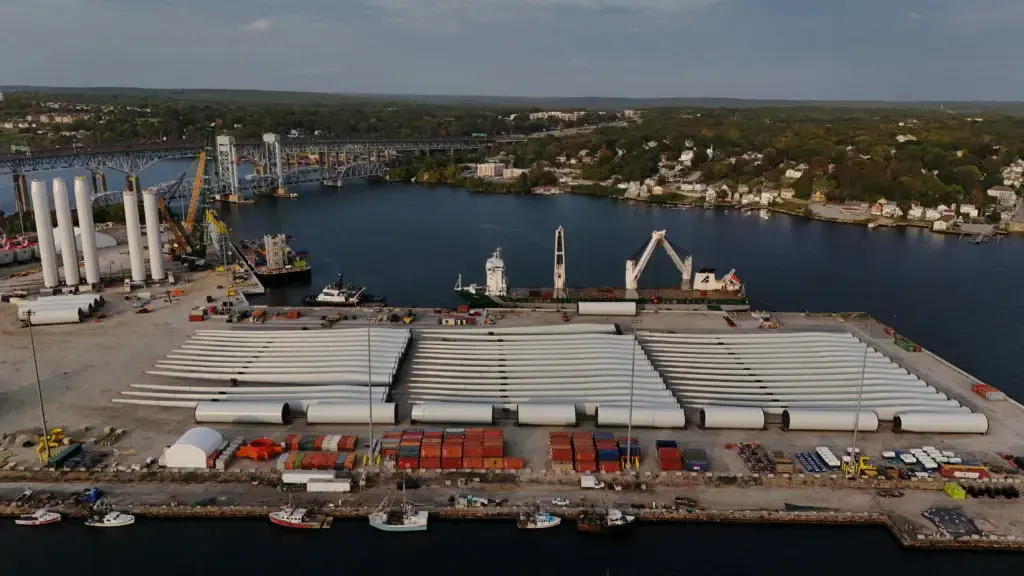
The Trump administration has recently moved to halt offshore wind farm development. This decision cites national security concerns as the primary reason. The move could significantly impact future renewable energy initiatives along the U. S. coastlines.
Latest news
 Swedish Voters Choose New Parliament as Left-Wing Coalition Projects to Win Majority
 Trump Announces End of US Tariff on Irish Whisky
 Frances Stonor Saunders, Author of CIA Cultural Espionage Exposé, Dies at 66
 Israel and Lebanon to Hold Security Talks in Rome This October
The administration's actions began late last year, focusing on potential conflicts with military operations. These concerns specifically involve radar interference and training exercises. This policy shift marks a departure from previous efforts to expand renewable energy sources.
What Are the Implications for Renewable Energy?
Officials argue that large wind turbines could interfere with critical military radar systems. These systems are vital for national defense and coastal surveillance. There are also concerns about the impact on naval training areas. These areas are essential for maintaining military readiness. The administration believes these risks outweigh the benefits of offshore wind power.
The decision has drawn criticism from environmental groups and renewable energy advocates. They argue that climate change also poses a national security threat. They emphasize the need for diverse energy sources. The industry has invested heavily in these projects. This new stance creates significant uncertainty for future development.
This policy could severely slow down the growth of offshore wind power in the United States. Many projects were in various stages of planning and approval. Developers may now face significant financial losses and regulatory hurdles. This could push the U. S. further behind other nations in renewable energy production. It also raises questions about the long-term energy strategy of the country.
Frequently Asked Questions
What specific military concerns are there? The primary concerns involve potential interference with military radar systems and disruptions to naval training exercises. These are crucial for national defense and operational readiness.
How does this affect current offshore wind projects? Projects in planning or approval stages face significant delays or cancellations. Developers may need to reassess their investments and future plans due to regulatory uncertainty.