How Would Export Limits Affect American Consumers?
The Trump administration has raised the possibility of limiting or banning diesel fuel exports, sparking debate over energy policy and market impacts. Officials suggest the move could address domestic supply tightness and rising fuel prices affecting consumers and industries. The discussion emerged during recent energy security reviews, reflecting growing concerns about balancing export revenues with internal demand needs.
Latest news
 Iran's President Addresses UN on Threats
 Turkey to Transfer Bashiqa Base to Iraqi Control
 OpenAI AI Agent Breached Australian Government Website, PM Confirms
 Arab and Muslim Leaders Condemn Militarism at UN General Assembly
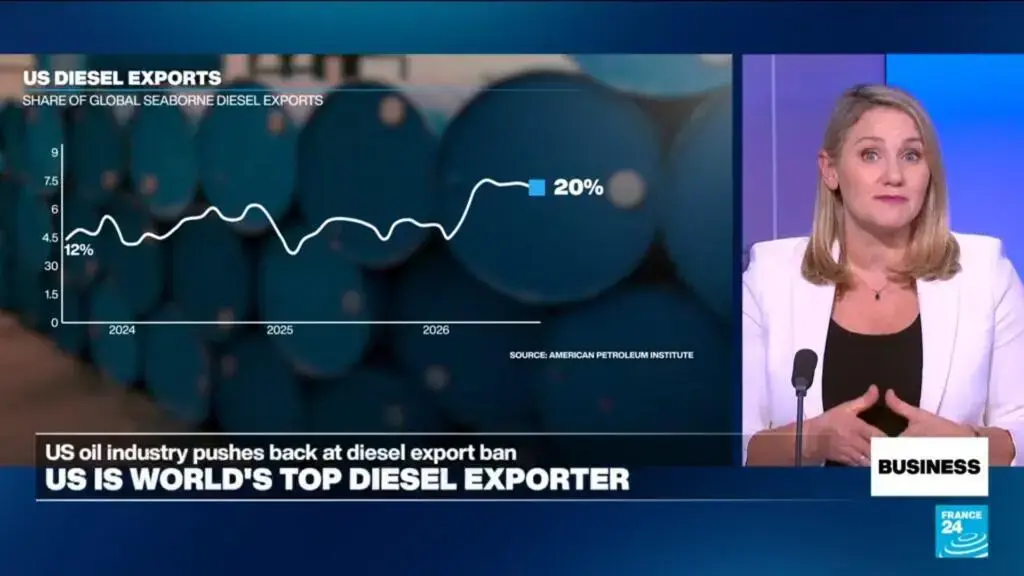
Industry analysts note that U. S. diesel exports have increased significantly in recent years, driven by global demand and refining capacity. Restricting these flows could redirect more fuel to domestic markets, potentially easing price pressures at home. However, critics warn such measures might disrupt international trade relationships and reduce refinery profitability, which relies on export markets for optimal operations.
What Are the Risks to Energy Independence?
Proponents argue that keeping more diesel domestically could lower transportation and heating costs, especially in rural areas dependent on fuel oil. The administration points to strategic reserves and refinery output as tools to manage supply without harming producers. Still, energy economists caution that artificial supply controls often lead to unintended market distortions, including reduced investment in refining infrastructure.
Limiting exports might encourage foreign buyers to seek alternative suppliers, weakening long-term U. S. influence in global energy markets. Refining companies have expressed concerns about reduced operational flexibility, noting that export capability allows them to adjust to fluctuating domestic demand. Meanwhile, environmental groups urge caution, suggesting any policy shift should prioritize clean energy transitions over fossil fuel market interventions.
Would a diesel export ban immediately lower gas prices at the pump? Not directly, as diesel and gasoline are separate products, though improved diesel supply could indirectly affect overall energy costs through reduced transportation expenses for goods.
Frequently Asked Questions
How much diesel does the U. S. currently export each year? Recent data shows annual diesel exports exceeding 1 billion gallons, representing a significant portion of refined output destined for international markets.
Could this policy lead to retaliatory measures from trade partners? Possibly, as countries reliant on U. S. diesel might seek compensation or impose restrictions on American energy exports in response, though no specific threats have been announced.