Shifting Priorities in Global Security Spending
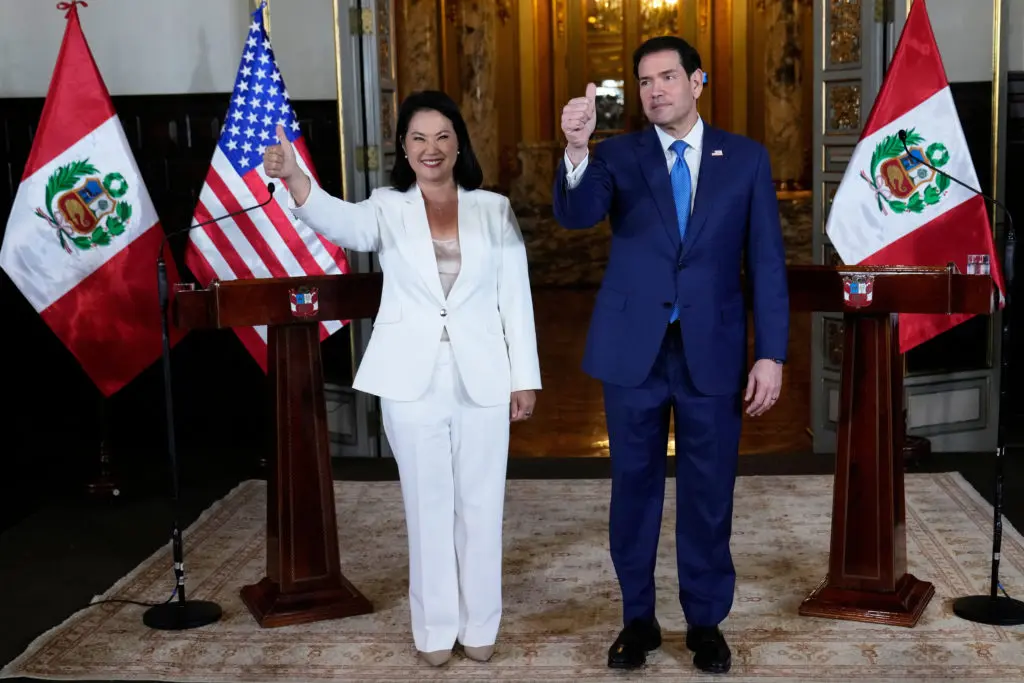
The Trump administration has withdrawn tens of millions of dollars in U. S. military assistance from European and Middle Eastern allies. These funds are being reallocated to support nations that align closely with President Donald Trump’s foreign policy goals. The shift marks a significant departure from traditional defense spending patterns. Officials state the move prioritizes strategic partners who share Washington’s current diplomatic stance. This financial restructuring affects long-standing security commitments across multiple continents.
Latest news
 Anthropic Announces $31 Billion Data Centre Deal in Western Queensland
 Veteran Journalist Hugh Riminton Announces Retirement After Nearly Five Decades
 How the 1980s Permanently Shaped America
 Victorian Police Gain Random Stop-and-Search Powers Under New Jacks Law
The decision reflects a broader effort to reshape American foreign aid priorities. Instead of maintaining consistent support for established allies in Europe and the Middle East, the White House is directing resources toward countries deemed more aligned with its vision. This approach aims to strengthen relationships with governments that actively support Trump’s international agenda. Critics argue this strategy may weaken traditional alliances while rewarding newer political partnerships. The reallocation involves complex budgetary adjustments within the Department of Defense.
The reallocation of funds highlights a changing dynamic in how the United States engages with global partners. Previously, military aid flowed steadily to NATO members and key Middle Eastern states. Now, those streams are narrowing as money moves to Trump-aligned nations in the Americas and beyond. This shift raises questions about the stability of long-term defense pacts. European leaders have expressed concern over reduced funding levels for joint initiatives. The administration insists the changes enhance overall strategic value rather than reduce total support.
Will Traditional Alliances Survive the Financial Shift?
Diplomats and defense experts are closely monitoring the impact of these budgetary changes. Some fear that cutting aid to trusted partners could create gaps in regional security. Others believe the new focus will yield better returns on investment. The administration points to recent agreements with allied nations as evidence of progress. However, the sudden withdrawal of millions in promised support has caused friction in several capitals. Officials emphasize that the core commitment to partner safety remains intact despite the financial tweaks.
The consequences of this reallocation will become clearer in coming months. European and Middle Eastern governments must now plan around smaller budgets for joint operations. Meanwhile, newly favored nations receive increased resources for defense upgrades. This strategic pivot could redefine the landscape of Western alliances. Observers expect further adjustments as the administration continues to evaluate partner performance. The ultimate goal is a foreign policy framework that rewards political alignment with tangible military support.
Frequently Asked Questions
How much military aid was redirected from Europe and the Middle East? Tens of millions of dollars were withdrawn from existing programs. These funds are now being channeled to nations that align with Trump’s policies.
Which regions are losing the most financial support? European allies and Middle Eastern partners face the largest cuts. Their ongoing security projects now operate with reduced federal funding.
Why is the administration making this change? The White House wants to prioritize countries that support its foreign policy goals. This strategy aims to build stronger ties with politically aligned governments.