Why the White House claims the old rules broke the law
The White House released a new regulation on Monday to weaken vehicle efficiency standards established during the Biden era. Officials claim this move will lower car prices for American consumers. The rule targets both passenger cars and light trucks. It aims to restore what the administration calls a legal balance in environmental policy. Critics argue the changes benefit automakers over drivers. The decision marks a significant shift in federal transportation strategy. It reverses key climate goals set by the previous government. Industry leaders have already begun adjusting production plans.
Latest news
 US Officials Question Bail Decisions Following Security Breach at RAF Fairford
 Eighty-Seven-Year-Old Evicted Tenant Set to Return Home
 Argentina Threatens Legal Action Over Falklands Oil Drilling
 Rights Advocates Condemn Alleged Vietnamese Abductions
The administration argues that the previous standards were overly aggressive. They state that the Biden team exceeded its legal authority. By relaxing these requirements, manufacturers face less pressure to produce high-efficiency models. This flexibility allows companies to offer more affordable vehicles. The rule specifically addresses the Corporate Average Fuel Economy program. It sets new targets for fleet-wide efficiency. Proponents say strict mandates drove up costs for buyers. They believe this adjustment stabilizes the market. The change impacts major players like Ford, GM, and Stellantis. Smaller automakers also see relief from compliance burdens.
Legal experts note that the administration cites specific statutory limits. They argue that previous targets went beyond what Congress authorized. The new rule aligns with this interpretation. It seeks to close the gap between legal text and enforcement. This approach mirrors earlier efforts to streamline regulatory processes. The goal is to reduce bureaucratic hurdles for industry. However, environmental groups dispute this legal They maintain that the executive branch had broad power. The debate centers on the definition of reasonablestandards. Courts may eventually weigh in on this conflict. For now, the new baseline stands.
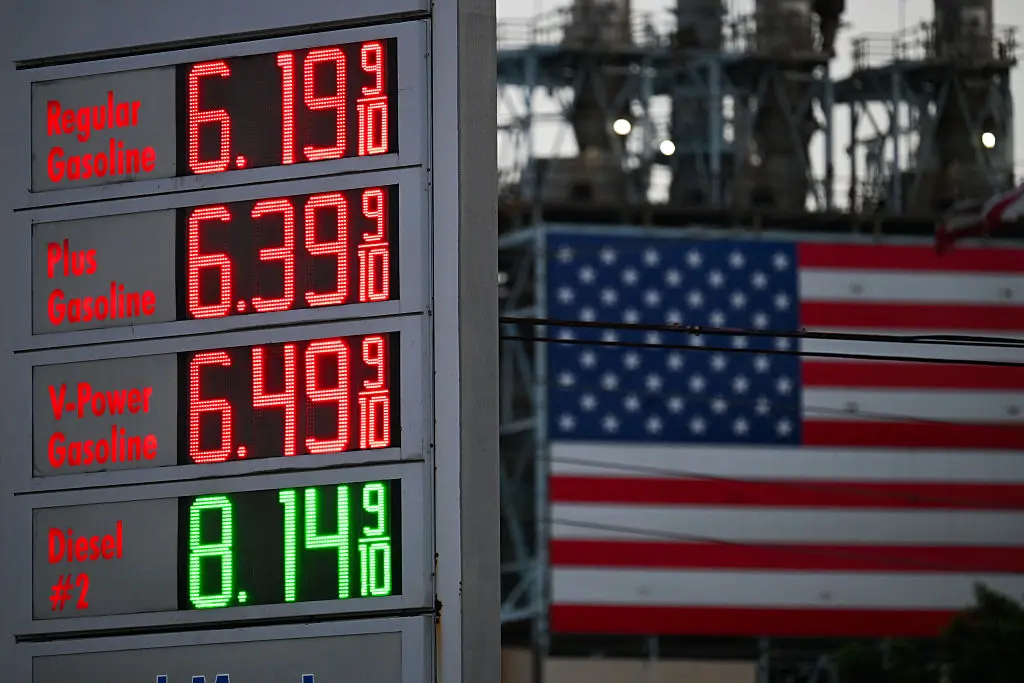
Economists warn that savings might be temporary. While sticker prices may drop, fuel costs could rise. Less efficient vehicles consume more gasoline per mile. This increases long-term expenses for average drivers. The net financial impact remains uncertain. Some studies suggest minimal overall savings for households. Others point to potential inflationary pressures on oil demand. Automakers might pass some costs to consumers anyway. Competition could keep prices stable in the short term. The outcome depends on market response. If gas prices stay low, the benefit is clearer. If oil prices spike, the advantage disappears quickly.
Will lower fuel standards actually save consumers money?
The rollback signals a broader policy direction. It prioritizes affordability over immediate emissions cuts. Future administrations may further adjust these benchmarks. The automotive sector faces a transitional period. Dealerships are updating inventory strategies now. Consumers should monitor local pricing trends closely. The long-term effect on carbon levels remains under review. This decision sets a precedent for future energy rules. It highlights the ongoing tension between economic and environmental goals. Stakeholders await potential legal challenges. The final impact will unfold over several model years. Frequently Asked Questions Does this rule apply to electric vehicles? The primary focus is on internal combustion engines. However, it affects how automakers blend their fleets. Electric cars can help meet average efficiency targets.
When do the new standards take effect? The regulations apply to upcoming model years. Specific dates depend on the vehicle type. Most changes begin with the 2027 model year.
Will gas prices go down immediately? Not necessarily. Fuel prices depend on global supply and demand. Vehicle efficiency changes affect consumption rates slowly.