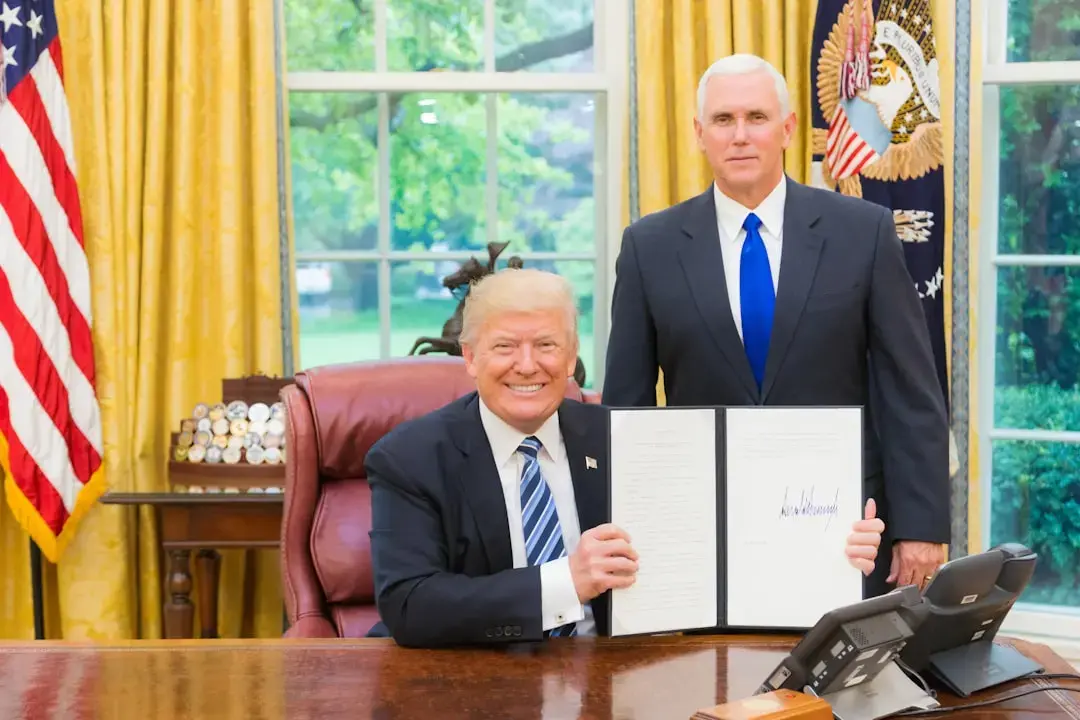
Reshaping the Tech Landscape
President Trump revealed his administration is exploring taking ownership stakes in major artificial intelligence companies. The discussion occurred on June 5th, with a planned meeting with tech industry leaders scheduled for next week. This move signals a potential shift in how the government interacts with the rapidly evolving AI sector.
Latest news
 Swedish Voters Choose New Parliament as Left-Wing Coalition Projects to Win Majority
 Trump Announces End of US Tariff on Irish Whisky
 Frances Stonor Saunders, Author of CIA Cultural Espionage Exposé, Dies at 66
 Israel and Lebanon to Hold Security Talks in Rome This October
The proposal involves the government acquiring equity in prominent AI firms. This would represent a significant departure from traditional regulatory approaches. Trump suggested the idea while traveling on Air Force One, indicating a serious consideration at the highest levels. The administration believes direct investment could secure American leadership in AI.
This potential government involvement could fundamentally alter the dynamics of the tech industry. Currently, private investment drives most AI innovation. A government stake would introduce a new, powerful player with potentially different priorities. It could influence research directions and commercial applications of AI technologies. The move could also raise questions about competition and market fairness.
Will This Stifle Innovation?
The administration hasn’t specified which companies are being considered for investment. However, it’s likely to include those at the forefront of AI development. These firms are key to advancements in areas like machine learning, natural language processing, and computer vision. Officials believe a government share would ensure these technologies benefit national interests.
Some experts question whether government ownership would hinder innovation. Private companies often thrive on rapid experimentation and risk-taking. Bureaucratic processes and political considerations could slow down progress. Others argue that strategic government investment could accelerate development in critical areas. It could also address concerns about ethical AI and responsible innovation.
The details of the proposed investment remain unclear. It’s uncertain how much equity the government would seek or how it would exercise its ownership rights. Legal and regulatory hurdles would also need to be addressed. Experts anticipate significant debate over the feasibility and desirability of this approach.
The implications of this move are far-reaching. It could set a precedent for government intervention in other strategic industries. It could also spark a global debate about the role of governments in shaping technological advancements. The coming weeks will be crucial as the administration fleshes out its plans and engages with the tech sector.
Frequently Asked Questions
What is the primary goal of this potential investment? The administration aims to ensure the United States maintains a leading position in artificial intelligence. They believe a government stake will help steer development towards national priorities and secure long-term benefits.
Could this lead to government control over AI development? While the government wouldn't have complete control, an equity stake would give it a significant voice in the direction of these companies. The extent of that influence would depend on the size of the investment and any agreements reached.
What are the potential risks of this approach? Risks include stifling innovation, creating market distortions, and raising concerns about government overreach. Balancing national interests with the need for a vibrant and competitive AI sector will be a key challenge.