A Strategic Bid for Skeptical Voters
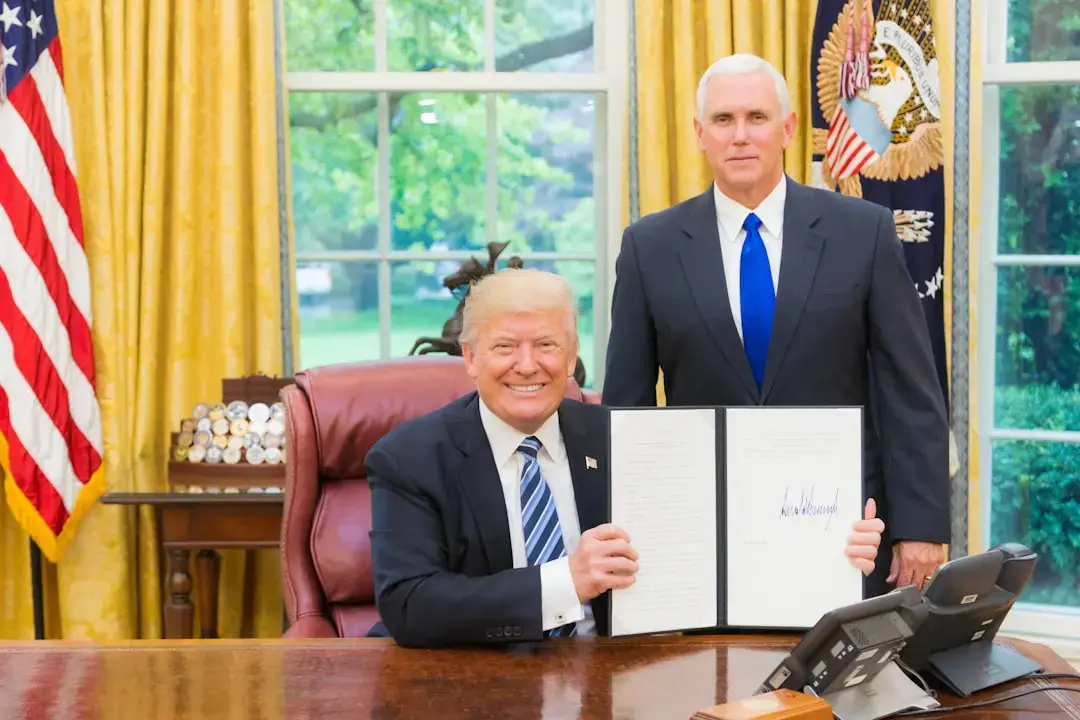
Donald Trump announced a promise of a $5,000 dividend for American citizens following his party’s victory in the midterm elections. The proposal was unveiled during the Republican national convention held in Dallas, Texas. This move aims to reward voters who supported the Republican ticket. Critics quickly questioned the financial feasibility of such a large-scale payout.
Latest news
 Swedish Voters Choose New Parliament as Left-Wing Coalition Projects to Win Majority
 Trump Announces End of US Tariff on Irish Whisky
 Frances Stonor Saunders, Author of CIA Cultural Espionage Exposé, Dies at 66
 Israel and Lebanon to Hold Security Talks in Rome This October
The announcement came as Republicans sought to consolidate their gains. Trump framed the dividend as a direct benefit for hardworking families. He argued that economic growth under his administration justified this distribution. The strategy targets voters who remained skeptical about the party’s direction. By offering tangible cash incentives, the campaign hopes to secure loyalty ahead of future contests.
Political analysts view the dividend as a calculated attempt to court undecided Republicans. Many voters expressed doubt regarding the party’s ability to manage the economy effectively. The $5,000 figure serves as a concrete symbol of prosperity. It contrasts sharply with previous proposals that lacked specific dollar amounts. This specificity allows supporters to visualize the potential impact on household budgets.
Can the Economy Support Such a Payout?
Critics argue that the plan relies heavily on optimistic revenue projections. They point to potential deficits if spending does not align with income. The timing of the announcement coincides with rising inflation concerns. Voters worry that new taxes might offset the benefits of the dividend. This tension between promise and reality defines the current political landscape.
The core question remains whether federal revenues can sustain this level of transfer payments. Economists suggest that the dividend could stimulate consumer spending significantly. However, it may also increase pressure on the national debt. The administration claims that tariff revenues and tax reforms will fund the initiative. Opponents counter that these sources are volatile and unpredictable. Without stable funding, the dividend risks becoming a temporary measure rather than a permanent policy.
Supporters emphasize the psychological boost for the middle class. They believe that putting money directly into hands drives local economies. Small businesses stand to gain from increased customer purchasing power. This ripple effect could create jobs and reduce unemployment rates. The debate centers on immediate relief versus long-term fiscal stability.
Frequently Asked Questions
How much is the proposed dividend per citizen? The proposal specifies a payment of $5,000 for eligible American citizens. This amount is intended to be distributed once the legislative process is complete.
When will the funds be available to voters? The timeline depends on congressional approval and executive implementation. Officials have not set a precise date for the first disbursement.
What is the primary criticism of this plan? Critics highlight the risk of increasing the national debt. They argue that the revenue sources cited to fund the dividend are not guaranteed.