Navigating Fiscal Constraints and Market Sentiment
British government borrowing costs dipped on Wednesday morning as financial markets reacted calmly to the Chancellor’s inaugural budget. Investors found reassurance in the government’s commitment to fiscal discipline, despite significant economic headwinds. The move helped steady gilt markets, which had been bracing for potential volatility following recent inflationary pressures and rising interest rates.
Latest news
 The Daily Struggle to Reach Class in Rural Gambia
 The Exile of a Political Dynasty
 Russia’s Growing Influence Across the African Continent
 High-Stakes Clashes Mark Final Days of Congressional Campaigns
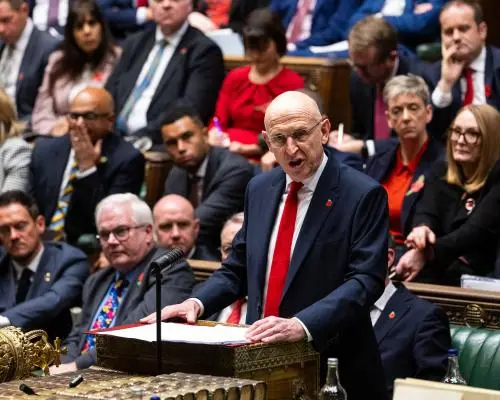
John Healey addressed the current economic climate, noting that elevated inflation and interest rates have placed a heavy burden on public finances. These factors have forced the government to pay an additional £14 billion in interest charges throughout the current year alone. Despite these mounting costs, the Chancellor pledged to strictly adhere to the Labour Party’s established fiscal rules.
The Office for Budget Responsibility provided updated projections alongside the Chancellor’s address. Their analysis highlights the delicate balance the government must maintain to avoid spooking investors. By avoiding aggressive spending shifts, the administration successfully navigated its first major fiscal test without triggering a sell-off in government bonds.
Will Fiscal Stability Sustain Long-Term Growth?
Market analysts noted that the stability in gilt yields reflects a broader sense of relief among traders. The City of London appears to have welcomed the lack of radical surprises in the budget announcement. This measured approach is intended to provide a predictable environment for long-term economic planning and debt management.
Maintaining this trajectory will require continued vigilance as the government manages its substantial debt obligations. While the immediate market reaction is positive, the underlying pressure from high interest rates remains a persistent challenge for the Treasury. Officials must now focus on balancing public service demands with the necessity of keeping the national deficit under control.
Frequently Asked Questions
The government’s future success depends on its ability to stimulate growth while keeping borrowing costs at manageable levels. If inflation continues to moderate, the Treasury may find more room to maneuver in upcoming fiscal cycles. For now, the focus remains on proving that the current fiscal framework is both credible and sustainable.
Why did government borrowing costs drop after the budget? Markets reacted positively because the Chancellor avoided unexpected policy shifts and reaffirmed a commitment to strict fiscal rules. This provided investors with the stability they needed to maintain confidence in government bonds.
How much has inflation increased government debt costs? High inflation and interest rates have significantly impacted public finances, resulting in an additional £14 billion in interest payments for the government this year.