Digital Diplomacy: The Mechanics of the Electronic Signing
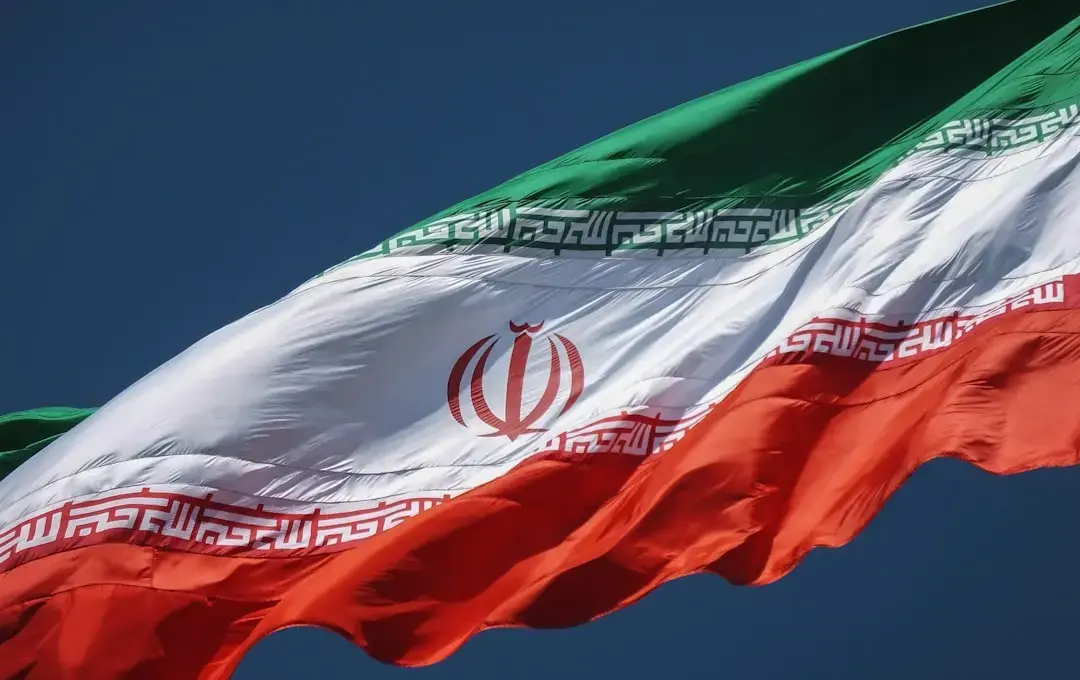
Washington and Tehran announced on Tuesday that they have completed a digital memorandum of understanding intended to halt the fighting that has lasted nearly four months. Senior U. S. officials said the agreement was signed electronically by President Donald Trump, Vice President JD Vance and Iranian parliament speaker Mohammad Bagher Ghalibaf.
Latest news
 Houthi Rebels Issue New Threats Against Saudi Military Infrastructure
 Houthi Rebels Seize Strategic Hanish Islands in Red Sea
 Global Markets Stumble as AI Leaders Call for Development Slowdown
 AI Takes Control of Clinical Eye Screenings in China
The pact was forged after weeks of behind‑the‑scenes negotiations between senior diplomats from both capitals. Officials described the talks as „intense” and „constructive,” noting that the digital format allowed signatures to be exchanged despite travel restrictions and heightened security concerns. The agreement outlines steps for a cease‑fire, the withdrawal of forces, and the establishment of a joint monitoring commission to verify compliance.
U. S. and Iranian teams used a secure, encrypted platform approved by both governments to capture the signatures. The system required multi‑factor authentication and real‑time video verification to ensure the authenticity of each signatory. According to a senior U. S. official, the digital process „saved weeks of logistical coordination” and reduced the risk of interception by hostile actors. Both sides praised the technology as a model for future high‑stakes diplomacy.
Will the Pact End the Four‑Month Conflict?
Analysts remain cautious about the durability of the agreement. While the memorandum calls for an immediate cessation of hostilities, it also hinges on the political will of hard‑line factions in each country. Critics warn that without a robust enforcement mechanism, violations could resume. Nevertheless, the involvement of top leaders—President Trump, Vice President Vance, and Speaker Ghalibaf—adds weight to the promise of a lasting peace.
The coming weeks will test the durability of the digital accord. If the cease‑fire holds, the region could see a rapid de‑escalation, opening space for humanitarian aid and reconstruction. Failure to implement the terms could reignite tensions and undermine confidence in digital diplomacy. Observers will watch closely as the joint monitoring commission begins its work, hoping the agreement signals a new era of direct, technology‑driven conflict resolution.
Frequently Asked Questions
What does a digital memorandum of understanding entail? It is a legally binding document signed electronically, using encrypted channels and verified identities, that outlines the commitments of each party.
Who are the key signatories of the agreement?
What are the next steps after the signing? A joint monitoring commission will be established to oversee the cease‑fire, verify troop withdrawals, and address any violations that may arise.