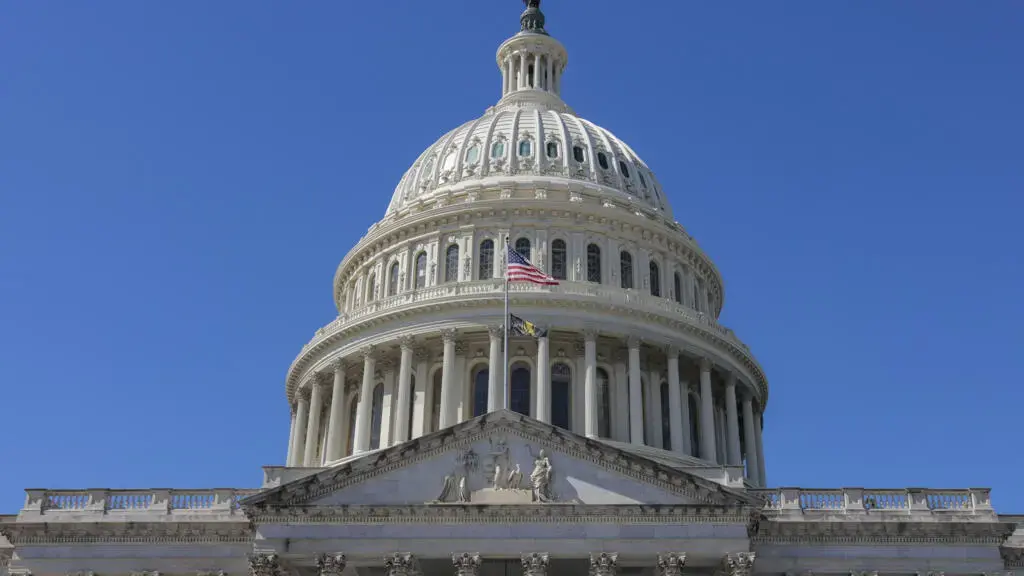
Congressional Rift Over Israel Funding
A recent vote in the US House of Representatives revealed deep divisions among Democrats. The vote concerned cutting military aid to Israel. Republicans almost unanimously opposed the measure, leading to its defeat. This split highlights internal party struggles before the November midterm elections.
Latest news
 Swedish Voters Choose New Parliament as Left-Wing Coalition Projects to Win Majority
 Trump Announces End of US Tariff on Irish Whisky
 Frances Stonor Saunders, Author of CIA Cultural Espionage Exposé, Dies at 66
 Israel and Lebanon to Hold Security Talks in Rome This October
The proposal to reduce military assistance to Israel failed. This outcome was largely due to Republican opposition. However, a significant number of Democrats also voted against the cut. This suggests a growing ideological divide within the Democratic party itself.
What Does This Mean for the Midterm Elections?
The vote shows differing views on US foreign policy. Some Democrats advocate for a more critical stance on Israel. Others maintain traditional support for the long-standing ally. This internal conflict could impact party unity. It also complicates their electoral strategy.
The upcoming midterm elections are critical. Democrats are fighting to maintain control of Congress. Divisions over Israel aid could alienate some voter groups. It might also energize others. The party needs to find common ground. Otherwise, internal discord could weaken their position.
# What was the specific proposal that caused the division?
This issue reflects broader debates within the Democratic base. Younger and more progressive voters often question unconditional aid. More centrist Democrats typically support it. Navigating these different viewpoints will be a challenge. The party's stance on Israel could become a key campaign issue.
# Why is this vote significant for the Democratic Party?
The proposal involved a vote on whether to reduce military aid provided by the United States to Israel. This measure ultimately failed due to strong opposition.
It highlights a growing ideological split within the party regarding foreign policy, particularly concerning support for Israel. This division could affect party unity and electoral performance in the upcoming midterm elections.