Why the US Chose to Approve the Visas Now
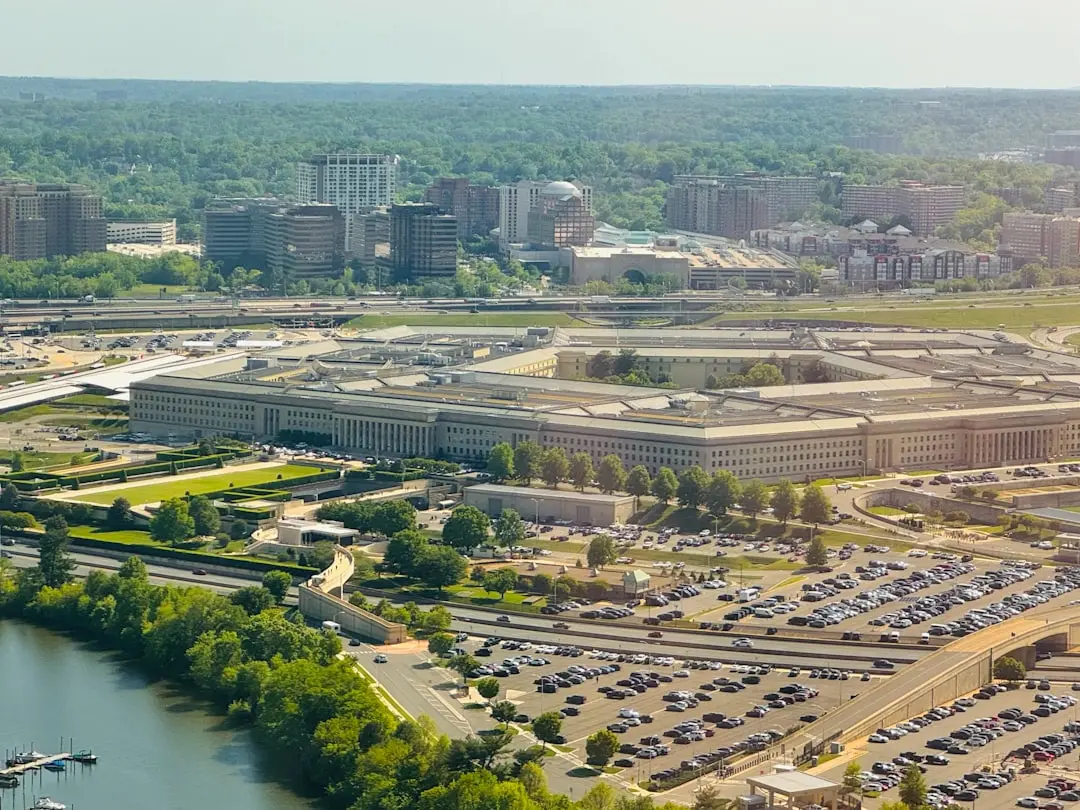
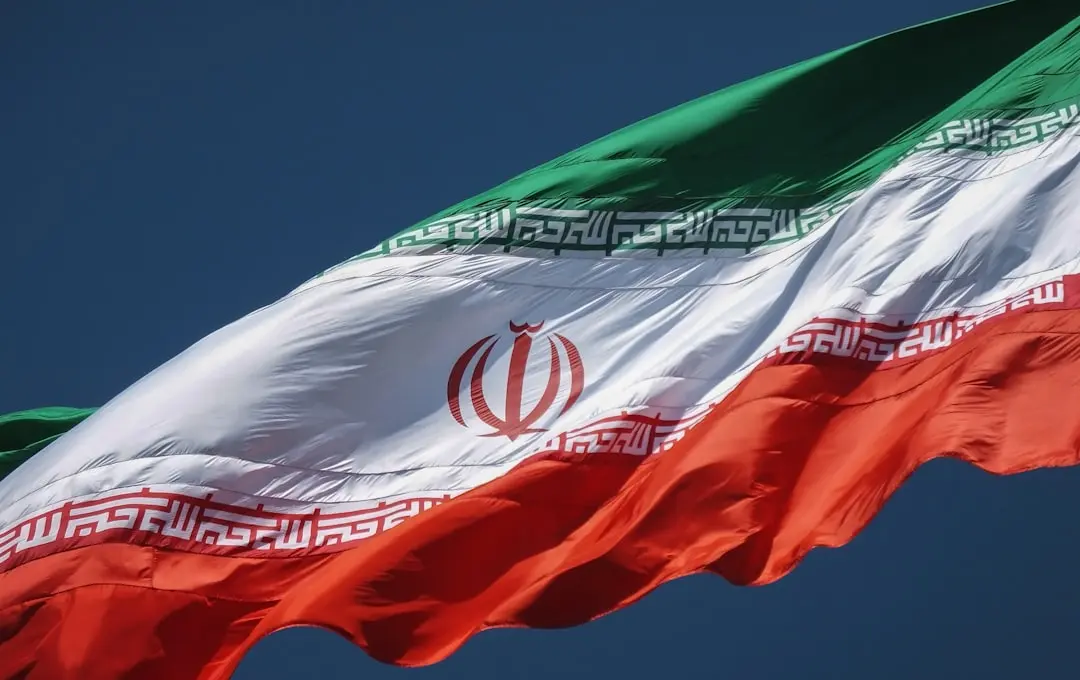
The United States has approved visa applications for Iranian government officials to attend the upcoming United Nations General Assembly session in New York. This decision allows Iranian President Masoud Pezeshkian and other delegates to participate in the annual diplomatic gathering despite ongoing tensions between Washington and Tehran. The approval comes amid a broader pattern of visa denials for officials from other nations, including Palestinian representatives, for the same event.
Latest news
 South Africans Mark Femicide Victims in Emotional Cape Town Vigil
 Russians flee ahead of election results, fearing forced mobilisation
 Israeli Forces Conduct Demolitions in Southern Lebanon, Hospital Set Ablaze
 Fear of AI Job Losses Now Outweighs Hope for New Opportunities, Study Shows
The move highlights a diplomatic exception within an otherwise strained bilateral relationship, as the US and Iran remain engaged in open hostility over issues including Iran’s nuclear program, regional influence, and sanctions. While the US has frequently restricted travel for Iranian officials in the past, this year’s clearance suggests a pragmatic adherence to UN protocols guaranteeing access for member states, regardless of political disagreements. Iranian state media confirmed Pezeshkian’s attendance, noting his participation in high-level forums on multilateral cooperation.
What Does This Mean for Diplomatic Engagement?
Officials familiar with the matter indicate the decision was made to uphold the United Nations’ host country obligations under the Headquarters Agreement, which requires the US to facilitate access for all UN member state representatives. Despite public rhetoric emphasizing confrontation, the State Department reportedly concluded that blocking Iranian officials would violate international commitments and risk undermining the UN’s credibility. The approval also follows behind-the-scenes negotiations aimed at preventing escalation during the General Assembly’s general debate week, where speaking slots are highly sought after.
While the visa approval permits physical presence, it does not signal a thaw in relations. Iranian officials are expected to use the platform to criticize US sanctions and advocate for renewed negotiations on the nuclear deal, while US representatives will likely reiterate concerns over Iran’s ballistic missile program and support for regional proxies. Analysts suggest the visit may create brief opportunities for indirect communication, though no formal meetings between senior leaders are currently scheduled. The contrast with denied visas for Palestinian officials has drawn criticism from advocacy groups, who accuse the US of applying double standards in granting access based on geopolitical alignment.
Why did the US approve visas for Iranian officials but deny them for Palestinian representatives? The US states that Iranian officials received visas because Iran is a UN member state and the US is obligated under the Headquarters Agreement to facilitate access. Palestinian officials, representing non-member observer status, are subject to different criteria, and their denials were reportedly linked to security concerns and political considerations, not automatic entitlement.
Frequently Asked Questions
Will Iranian President Pezeshkian meet with US officials during the General Assembly? There are no confirmed plans for a direct meeting between President Pezeshkian and US President Joe Biden or senior administration officials. Any interaction would likely be informal and incidental, such as in the UN corridors, rather than a scheduled bilateral session.
Does this visa approval indicate a shift in US policy toward Iran? No, the approval is strictly procedural and tied to UN obligations. The US maintains its current policy of pressure through sanctions and diplomatic isolation, and the visa grant does not reflect changes in strategic posture or ongoing negotiations.