What the Emerging Framework Could Address
The United States is developing a post-war framework for the Middle East, according to a report published Friday. Axios first reported that the plan remains in its initial stages but could shape future American policy in the region.
Latest news
 Swedish Voters Choose New Parliament as Left-Wing Coalition Projects to Win Majority
 Trump Announces End of US Tariff on Irish Whisky
 Frances Stonor Saunders, Author of CIA Cultural Espionage Exposé, Dies at 66
 Israel and Lebanon to Hold Security Talks in Rome This October
The draft strategy is still being formulated by senior officials, with details not yet finalized. Sources familiar with the matter told the outlet that discussions are ongoing across multiple agencies, though no formal decisions have been made public.
The proposed plan reportedly focuses on reconstruction efforts, governance structures, and security arrangements in war-torn areas. Officials are said to be consulting with regional partners and international allies to build consensus around potential scenarios.
How Would This Shift Current US Policy?
Key considerations include economic investment, humanitarian aid distribution, and long-term stability measures. The approach may also involve coordination with NATO allies and other stakeholders to ensure unified messaging and support.
The new strategy would mark a departure from recent reactive approaches, aiming instead for proactive engagement. Analysts suggest it reflects growing concern over prolonged instability and its global ripple effects.
If implemented, the plan could redirect billions in aid funding and military resources toward state-building initiatives rather than combat operations alone. It might also influence upcoming budget allocations and diplomatic priorities.
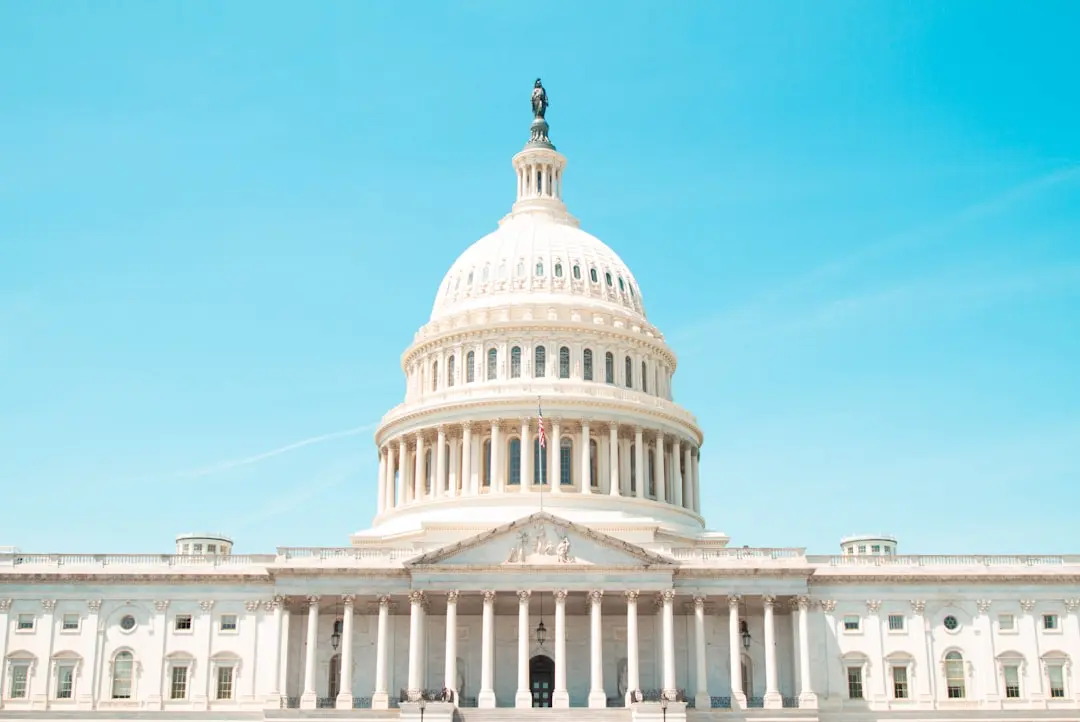
The development comes as Congress debates foreign policy oversight and spending levels for the next fiscal year. Lawmakers are expected to scrutinize any major shifts in regional posture during upcoming hearings.
Frequently Asked Questions
What stage is the post-war plan currently in? It remains in early developmental phases, with no concrete timelines or policy commitments announced yet.
Which agencies are involved in crafting the strategy? Multiple departments including State, Defense, and Treasury are reportedly participating in interagency discussions.
Will the plan require congressional approval? Any significant changes to foreign aid or military deployment would likely need legislative backing before implementation.