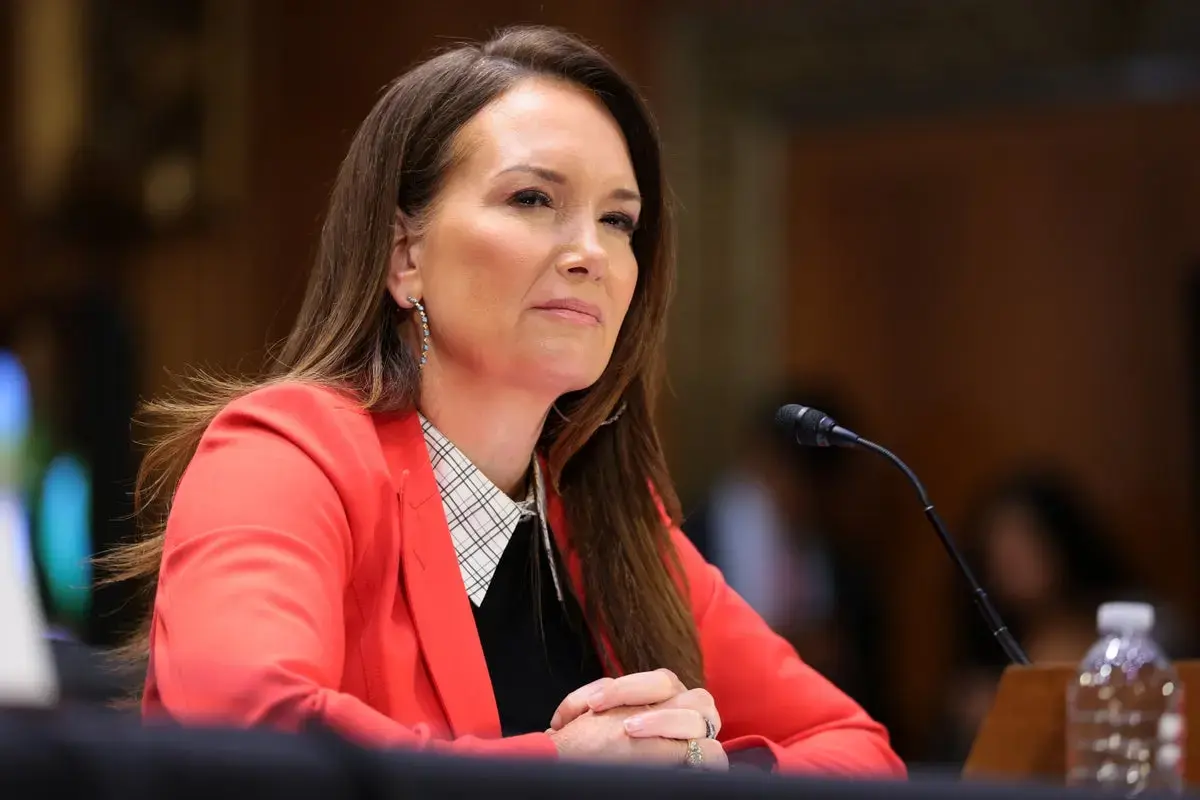
Alleged Proselytizing in Official Communications
The Department of Agriculture’s top official, Brooke Rollins, allegedly emailed Christian‑focused content to career employees on July 22, 2026. A federal lawsuit filed in Washington, D. C., claims the practice breaches the Constitution’s Establishment Clause.
Latest news
 Swedish Voters Choose New Parliament as Left-Wing Coalition Projects to Win Majority
 Trump Announces End of US Tariff on Irish Whisky
 Frances Stonor Saunders, Author of CIA Cultural Espionage Exposé, Dies at 66
 Israel and Lebanon to Hold Security Talks in Rome This October
The complaint says Rollins used her official USDA address to distribute „proselytizing” material, including Bible verses and invitations to prayer meetings. Plaintiffs argue the messages were not personal but government‑sanctioned, creating pressure on workers to engage with a particular faith. The suit seeks injunctive relief and damages, asserting that the department’s actions blur the line between church and state.
According to the filing, Rollins sent at least three emails over a two‑week span, each containing overtly Christian language. One message quoted Psalm 23 and urged recipients to „seek spiritual guidance.” Another announced a virtual worship service hosted by a USDA‑affiliated faith group. The plaintiffs contend that using a federal email account for such content implies endorsement by the agency. Legal experts note that prior cases have struck down similar practices when officials appear to promote religion from official platforms.
Does This Violate the Constitution?
The lawsuit argues that Rollins’ actions infringe the Establishment Clause, which prohibits government endorsement of religion. Courts have repeatedly ruled that public‑sector employees cannot be compelled to receive religious messaging in their official capacity. Defense counsel maintains that the emails were voluntary and aimed at personal well‑being, not policy. However, the plaintiffs point to the power imbalance inherent in a senior official’s communication, suggesting that employees may feel obligated to conform. A ruling against Rollins could set a precedent for stricter separation of church and state in federal workplaces.
If the court sides with the plaintiffs, USDA may be forced to revise its internal communication policies and provide training on religious neutrality. The case could also prompt other agencies to examine their own outreach practices. Regardless of the outcome, the lawsuit highlights growing scrutiny of faith‑based initiatives within government. Stakeholders anticipate a hearing later this year, with potential implications for how public officials engage with religious content.
Frequently Asked Questions
What specific laws does the lawsuit cite? The complaint references the Establishment Clause of the First Amendment and prior federal court decisions that bar government officials from endorsing religion in official communications.
Can federal employees opt out of such messages? While employees may request removal from mailing lists, the lawsuit argues that the power dynamic makes true opt‑out difficult, especially when messages originate from a senior official.
What remedies are being sought? Plaintiffs seek an injunction to stop further religious emails, monetary damages for alleged harms, and a court order requiring USDA to adopt neutral communication guidelines.