Escalating Clashes in the Streets
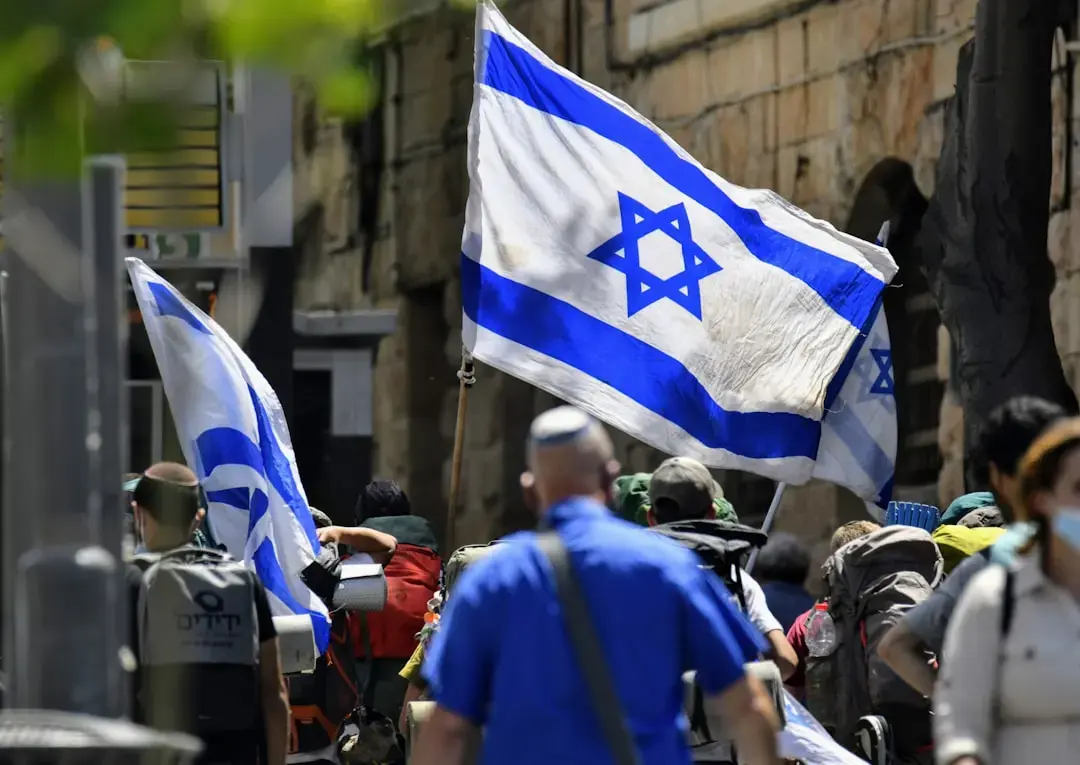
On Saturday, thousands of ultra‑Orthodox demonstrators gathered in Jerusalem, Tel Aviv and Haifa to oppose a government plan to draft young Haredi men into the Israel Defense Forces. Police reported dozens of arrests as clashes erupted near the Knesset and major shopping districts. The protests coincided with a national debate over military service equality and threatened the stability of Prime Minister Netanyahu’s coalition. Tensions have been building for months, but the latest demonstrations marked a sharp increase in violence.
Latest news
 Swedish Voters Choose New Parliament as Left-Wing Coalition Projects to Win Majority
 Trump Announces End of US Tariff on Irish Whisky
 Frances Stonor Saunders, Author of CIA Cultural Espionage Exposé, Dies at 66
 Israel and Lebanon to Hold Security Talks in Rome This October
The draft controversy stems from a long‑standing exemption that allows many Haredi men to study in yeshivas instead of serving. A recent court ruling forced the government to propose a new conscription framework, sparking anger among religious leaders who view military service as a threat to their way of life. Opposition parties have seized the issue to challenge the ruling coalition, accusing it of betraying the religious community. Meanwhile, security forces have struggled to contain the growing unrest, deploying riot gear and crowd‑control measures.
Police said protestors threw stones and set fire to trash bins outside the Knesset, prompting officers to use batons and pepper spray. Hospital officials reported fifteen injuries, most of them minor bruises, but several demonstrators required stitches after clashes with security personnel. The Israeli police chief warned that „the situation could deteriorate further if dialogue does not replace confrontation.” Analysts note that the surge in violence mirrors previous flashpoints, such as the 2014 „Haredi draft” protests, but the current unrest appears more organized and widespread.
Will the Draft Reform Threaten the Coalition?
Political observers argue that the draft issue could unravel Netanyahu’s fragile coalition, which relies on support from both secular and religious parties. If the ultra‑Orthodox bloc withdraws its backing, the government may lose its parliamentary majority, forcing early elections or a reshuffle of ministerial posts. Opposition leader Yair Lapid has pledged to block any conscription bill that lacks broad consensus, while coalition partners warn that a forced draft could provoke further civil disorder. The standoff highlights a deeper societal divide over the role of religion in public life and the balance between national security and communal autonomy.
The coming weeks will test Israel’s ability to reconcile divergent visions of citizenship and duty. A compromise that respects religious study while meeting defense needs could restore calm and preserve the governing alliance. Failure to reach an agreement risks prolonged street violence, deeper political fragmentation, and a possible loss of confidence in the government’s capacity to govern.
Frequently Asked Questions
Why are ultra‑Orthodox men exempt from military service? Historically, the Israeli state granted exemptions to allow yeshiva students to continue religious studies, viewing them as a spiritual contribution to society.
What does the new draft proposal require? The proposal suggests a quota system and limited service options, aiming to integrate a portion of Haredi men into the army without disrupting their religious obligations.
Could the protests affect Israel’s security situation? Extended unrest may divert security resources from other threats, and a fragmented coalition could weaken decisive policy‑making on defense matters.