The Volatility of Late-Stage Campaigning
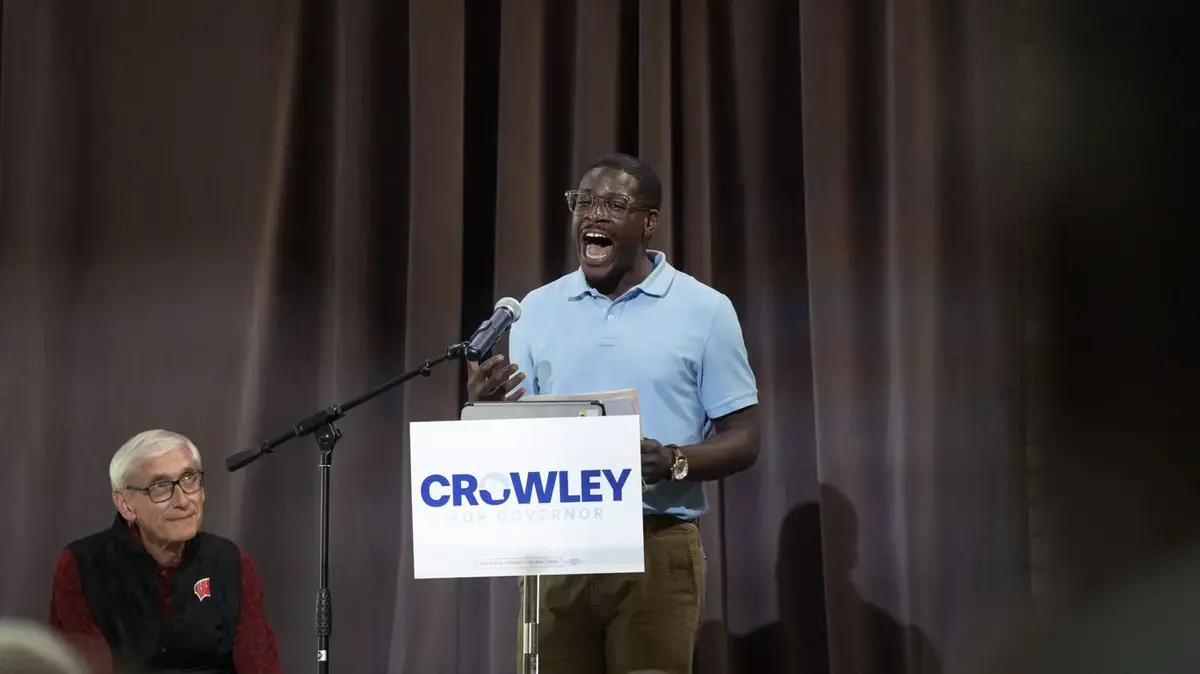
Wisconsin voters delivered a surprising outcome in Tuesday’s gubernatorial primary, as Democrat David Crowley secured a decisive victory over socialist challenger Francesca Hong. The results caught many analysts off guard, as initial surveys suggested a much tighter contest. This outcome marks another instance where polling data failed to capture the shifting momentum of a high-stakes Midwestern election.
Latest news
 Swedish Voters Choose New Parliament as Left-Wing Coalition Projects to Win Majority
 Trump Announces End of US Tariff on Irish Whisky
 Frances Stonor Saunders, Author of CIA Cultural Espionage Exposé, Dies at 66
 Israel and Lebanon to Hold Security Talks in Rome This October
The discrepancy between the polls and the final tally became apparent by Wednesday morning. Experts noted that surveys conducted just one week prior to the vote missed the rapid volatility of the campaign. The race evolved significantly in its final days, leaving traditional polling models unable to track the surge in voter enthusiasm for Crowley.
Campaign dynamics in Wisconsin proved too fluid for standard polling techniques to measure accurately. Analysts suggest that the final week of the race saw a major shift in voter sentiment that remained invisible to data collectors. While early indicators pointed toward a competitive battle, the actual ballot box results revealed a clear preference among the electorate.
Could Polling Models Become Obsolete?
The failure to predict the margin of victory highlights a recurring challenge for modern political forecasters. When campaigns experience rapid, late-stage momentum shifts, static snapshots of public opinion often become obsolete before they are even published. This cycle of polling misses forces observers to reconsider how they interpret data in an increasingly unpredictable political climate.
The consistent struggle to accurately forecast primary results raises serious questions about the future of election analysis. If current methodologies cannot account for sudden swings in voter behavior, their reliability in general elections remains in doubt. Political strategists must now decide whether to rely on traditional surveys or seek new ways to measure the pulse of the public.
Frequently Asked Questions
As the dust settles, the focus shifts to the broader implications for the upcoming general election. The disconnect between expectations and reality serves as a stark reminder that voter behavior is rarely static. Moving forward, both parties will likely approach future polling data with increased skepticism, prioritizing direct voter outreach over statistical projections.
Why did the polls fail to predict the winner? The surveys were conducted a week before the election and missed a rapid, late-stage shift in voter sentiment. This volatility left pollsters unable to capture the momentum that ultimately secured Crowley’s victory.
What does this mean for future elections? The miss suggests that traditional polling methods may struggle to track fast-moving political races. Campaigns may start relying less on static surveys and more on real-time engagement to gauge their standing with voters.