The current focus has shifted from anticipating the next move to assessing how
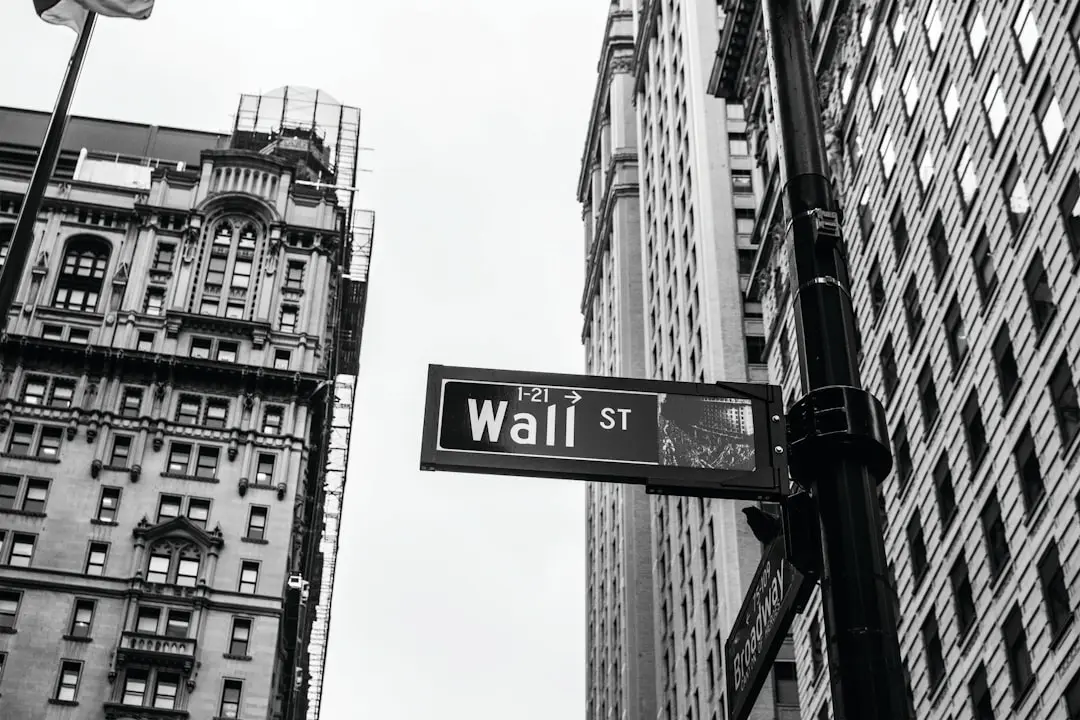
Wall Street investors are growing anxious that a prolonged Federal Reserve tightening cycle, rather than a single interest rate increase, could derail the current equity bull market as economic momentum shows signs of slowing. Historically, bull markets end when either the economy contracts or the Fed aggressively raises rates to combat inflation. Today, traders worry less about an isolated hike and more about the cumulative effect of sustained monetary tightening over multiple quarters. Why a Fed Cycle Poses a Greater Threat Than a Single Hike Market analysts note that while one rate increase might be absorbed by resilient corporate earnings, a series of hikes increases borrowing costs across sectors, dampening consumer spending and business investment. This cumulative pressure can trigger a broader economic slowdown, which historically precedes market downturns.
Latest news
 Swedish Voters Choose New Parliament as Left-Wing Coalition Projects to Win Majority
 Trump Announces End of US Tariff on Irish Whisky
 Frances Stonor Saunders, Author of CIA Cultural Espionage Exposé, Dies at 66
 Israel and Lebanon to Hold Security Talks in Rome This October
The current focus has shifted from anticipating the next move to assessing how long restrictive policy might persist. How Long Can the Bull Market Last Under Pressure? Investors are scrutinizing economic data for clues about whether growth can withstand higher rates without tipping into recession. Some strategists argue that if inflation continues to ease, the Fed may pause sooner than feared, offering relief. Others warn that even expectations of prolonged tightness can weigh on valuations, especially for growth-sensitive stocks. The debate centers on whether corporate resilience will offset macroeconomic headwinds. Frequently Asked Questions What does Fed cyclemean in this context? A Fed cycle refers to a sequence of interest rate increases over time, not just one isolated move, reflecting sustained monetary tightening. Why are investors more concerned about a cycle than a single hike?
Because repeated hikes compound financial pressure on the economy, increasing the risk of a slowdown that could end the bull market, whereas one hike may be absorbed without lasting damage. How might the bull market survive if the Fed continues tightening? If corporate earnings remain strong and inflation declines faster than expected, the market could endure higher rates, though prolonged tension remains a risk.