The barbershop, more than a place for haircuts, became a forum for weighing
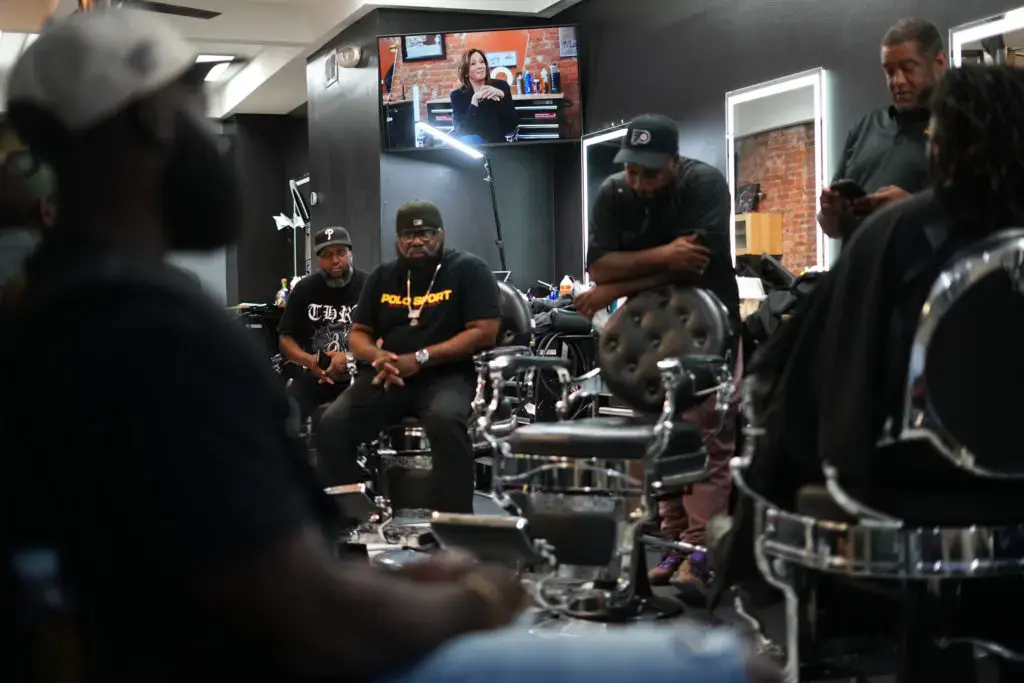
In a bustling barbershop in Philadelphia, a group of Black men gathered on a September afternoon in 2026 to talk about politics, history, and the future of their vote. Though Black men have long supported the Democratic Party by wide margins, the conversation revealed nuanced views shaped by personal experience, economic concerns, and questions about whether loyalty is being rewarded. The setting—a familiar space for candid talk—allowed for honest debate about what their political allegiance means today. The discussion touched on generations of voting patterns, from the civil rights era to recent elections, and how policy outcomes have affected their communities. Some men expressed frustration that despite consistent support, issues like job access, public safety, and education reform remain unresolved. Others warned against abandoning a party that has historically backed civil rights protections, even as they questioned whether newer candidates truly understand urban Black life.
Latest news
 Swedish Voters Choose New Parliament as Left-Wing Coalition Projects to Win Majority
 Trump Announces End of US Tariff on Irish Whisky
 Frances Stonor Saunders, Author of CIA Cultural Espionage Exposé, Dies at 66
 Israel and Lebanon to Hold Security Talks in Rome This October
The barbershop, more than a place for haircuts, became a forum for weighing tradition against the need for change. How Economic Anxiety Shapes Political Doubt Several participants pointed to stagnant wages and rising living costs as key factors making them reconsider automatic party support. One man, a small business owner, said he voted Democratic for decades but now wonders if policies are helping people like him get ahead. Another noted that while he still believes in Democratic values, he wants to see more tangible results in his neighborhood before committing his vote again. The conversation revealed that economic security is increasingly tied to political trust, and that dissatisfaction doesn’t always mean defection—but it does demand accountability. What Would It Take to Earn Their Vote Again? When asked what could restore or deepen their confidence in the political process, the men emphasized consistency, respect, and delivery on promises.
They spoke of wanting leaders who show up not just during election season but
They spoke of wanting leaders who show up not just during election season but stay engaged in solving local problems. One man said he’d consider independent or third-party options if they offered clear plans for job training and youth mentorship. Another stressed that trust is rebuilt through action, not rhetoric. Their answers highlighted a desire for politics that feels personal, not performative. Frequently Asked Questions Why do Black men continue to vote mostly Democratic despite concerns? Many cited historical alignment with Democratic support for civil rights, voting rights, and social safety nets, even as they critique current performance on economic and public safety issues. Can small shifts in Black male voting really affect election outcomes? Yes—in closely divided states, even a few percentage points change among this reliable Democratic bloc can influence results, making their engagement strategically significant.
Is the barbershop a common place for political talk in Black communities?
Yes, barbershops have long served as informal hubs for discussion, debate, and information sharing in Black neighborhoods, often reflecting broader societal sentiments.