Connectivity as a Core Requirement
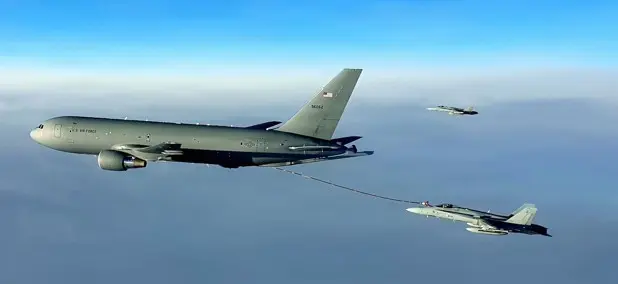
Air Force planners in National Harbor, Maryland, are questioning the future of their tanker fleet as they look beyond the KC‑46 purchase and program extensions, exploring the possibility of pilot‑less aerial refueling aircraft. The service sees this technology as a way to modernize long‑range refueling and reduce crew reliance.
Latest news
 Americans Demand Social Security Solutions Ahead of Midterm Elections
 Kennedy tells anti-vaccine activists they have a friend in Trump's White House
 Illuminating the Night: Space Mirrors Spark Astronomical Debate
 OpenAI Reports Deceptive Behavior in Some AI Models
Air Force planners in National Harbor, Maryland, say the future tanker must be network‑centric, linking directly with fighter and bomber units. ‘Thinking beyond the current KC‑46 buy and the program extension, the advanced tanker system must be connected and capable of autonomous operations,’ a senior planner explained. This requirement stems from the need to sustain long‑range missions without exposing crew to hostile airspace. The initiative reflects a broader shift in the service toward unmanned capabilities across all aircraft categories.
Can pilot‑less tankers replace crewed fleets? The Air Force is evaluating technology that would let unmanned aircraft perform refueling missions, reducing dependence on human pilots. While full autonomy is not yet ready, early studies suggest that remotely piloted or semi‑autonomous platforms could extend reach and lower operational costs. If successful, the unmanned tanker could refuel multiple aircraft in a single sortie, extending mission endurance. Officials caution that certification and safety standards must be met before deployment.
Adopting pilot‑less tankers could reshape Air Force logistics, allowing more flexible deployment and greater survivability in high‑threat zones. However, the service must first certify the technology, integrate it with existing aerial refueling procedures, and address concerns about reliability and crew oversight. If these hurdles are cleared, the next generation of tankers may enter service within the next decade, marking a shift toward unmanned aerial support.
Frequently Asked Questions
What technical hurdle limits full autonomy for tankers? Current systems lack the certified software and sensor integration needed for reliable, unmanned flight. Engineers must validate navigation, communication links, and fail‑safe procedures before the aircraft can operate without a pilot.
When could the Air Force deploy its first pilot‑less tanker? The service aims to test a prototype within the next two years. Operational deployment could occur by the early 2030s, contingent on meeting safety and certification milestones.
How will connectivity influence future tanker missions? Network‑centric links will let the tanker share real‑time battle data with fighters and command centers. This enables adaptive refueling routes and reduces exposure to enemy defenses.