
From Neighborhood Protests to Ballot Boxes
In Monterey Park, California, a grassroots movement has successfully halted major tech infrastructure projects. This small city east of Los Angeles recently became the first in the United States to enact a formal ban on new datacenter construction. The victory marks a significant shift in how communities engage with large-scale digital infrastructure. Residents are now channeling this momentum into local electoral races. Organizers who led the fight are stepping into political arenas to secure lasting change.
Latest news
 India-hosted BRICS summit faces quiet criticism over currency language
 Trump Blasts Supreme Court Justices Over Mail Ballot Ruling
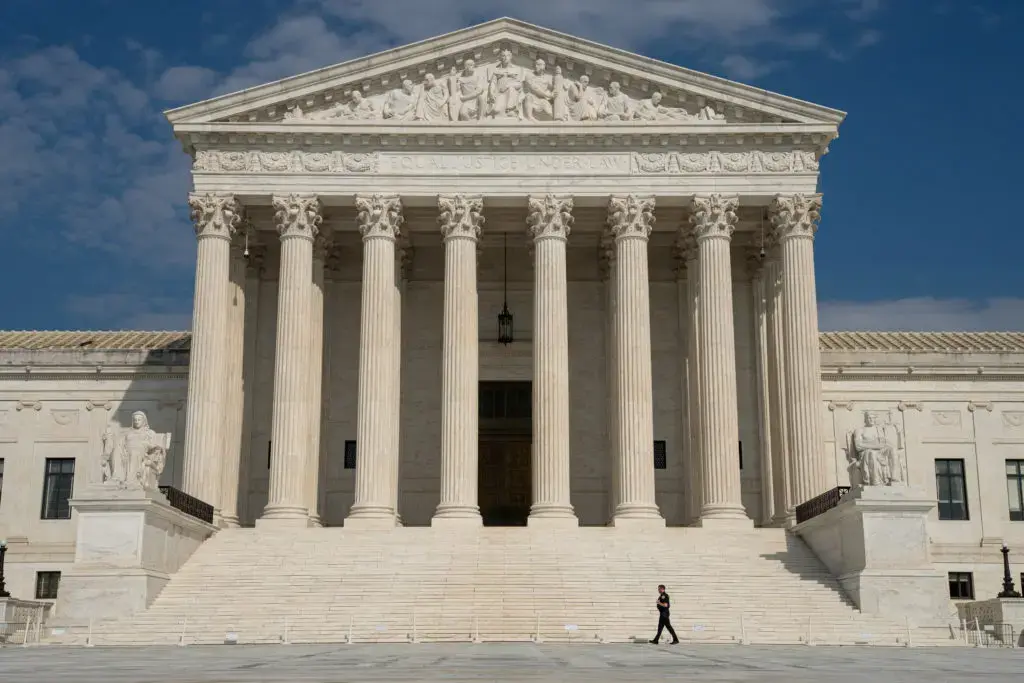 Supreme Court Clears Path for Midterm Mail Voting
 Mexico Expands Sensitive Tech Ties With China
Steven Kung, a key figure in the campaign, spent four months organizing teach-ins and door-to-door canvassing efforts. His persistent outreach helped build a coalition of neighbors united by opposition to the proposed facility. The project threatened to dominate the local landscape with its sprawling footprint. Kung is now running for a seat on the city council. He faces an incumbent official who previously backed the development. This race highlights a broader trend where technical disputes evolve into political contests.
The push to stop datacenters has moved beyond simple protest signs. Community members are leveraging their shared frustration to challenge established political figures. In Monterey Park, the conflict centered on a massive facility that residents feared would strain local resources. The ban was not just about aesthetics; it addressed concerns over energy consumption and water usage. By winning the initial battle, activists gained credibility and visibility. They are now using that platform to run for office.
Can Grassroots Wins Sustain Long-Term Policy?
Kung’s candidacy illustrates the direct link between issue-based organizing and electoral success. He argues that his experience fighting the datacenter gives him a unique understanding of local needs. The incumbent he challenges had supported the project, creating a clear contrast for voters. This dynamic is replicating across other regions in the country. Neighbors who once gathered in living rooms to discuss server farms are now filing paperwork for municipal elections. The strategy relies on tangible wins to prove competence and commitment.
The transition from activist to politician presents distinct challenges. While stopping one project is a clear victory, governing requires managing multiple competing interests. Critics argue that anti-datacenter sentiment may fade if the immediate threat disappears. However, proponents believe the underlying issues remain relevant. Energy costs and environmental impacts continue to affect daily life. These factors keep the conversation alive even after specific projects are blocked or approved.
Frequently Asked Questions
Looking ahead, this movement signals a potential reshaping of local governance. As technology companies expand their physical presence, community resistance is likely to grow. Politicians who ignore these concerns risk facing similar uprisings in their own districts. The success in Monterey Park serves as a blueprint for other towns grappling with similar developments. It demonstrates that organized, persistent civic engagement can alter the trajectory of urban planning. Future elections may see more candidates campaigning on infrastructure and sustainability platforms.
Why did Monterey Park ban datacenters? Residents voted to halt new construction due to concerns over resource strain and neighborhood impact. The ban makes it the first US city to formally prohibit such developments.
Who is leading this political shift? Steven Kung, a primary organizer of the anti-datacenter campaign, is running for city council. He is challenging an incumbent who previously supported the contested facility.