The Intersection of Technology and Archaeology
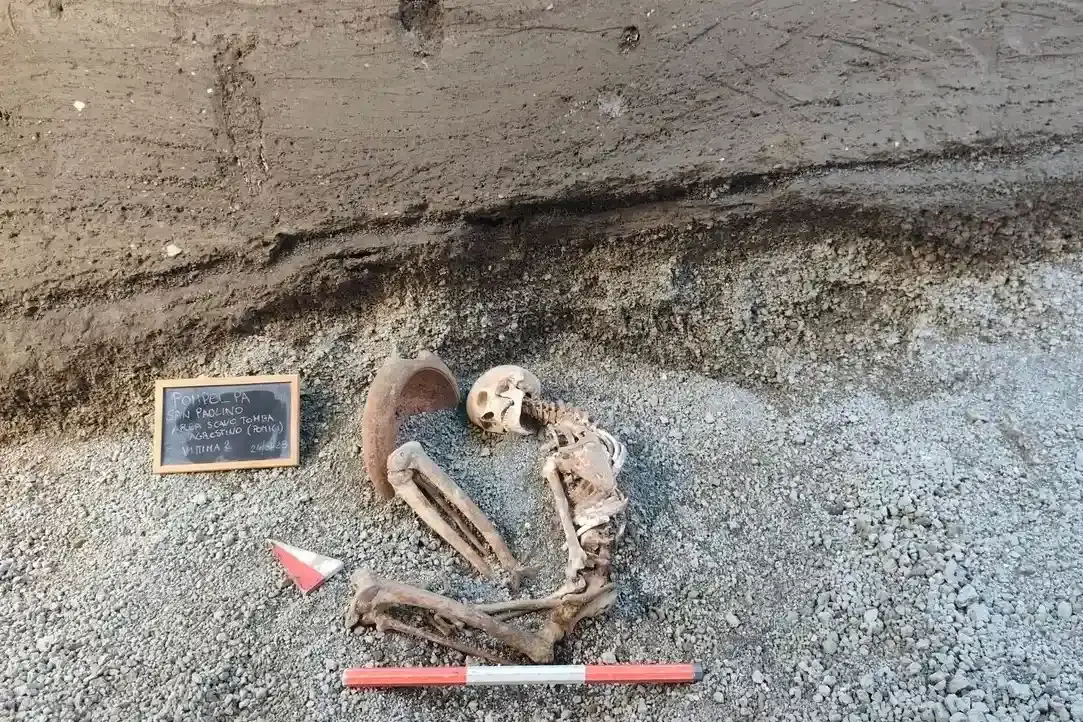
Pompeii archaeologists have made a groundbreaking advancement by using artificial intelligence to digitally recreate the face of a man who perished during the catastrophic eruption of Mount Vesuvius in 79 AD. This innovative project was announced on April 27, 2026, by Italy's Culture Ministry.
Latest news
 Swedish Voters Choose New Parliament as Left-Wing Coalition Projects to Win Majority
 Trump Announces End of US Tariff on Irish Whisky
 Frances Stonor Saunders, Author of CIA Cultural Espionage Exposé, Dies at 66
 Israel and Lebanon to Hold Security Talks in Rome This October
The eruption of Mount Vesuvius buried the ancient city of Pompeii under ash and pumice, preserving many artifacts and remains. Archaeologists have long studied these remnants to understand the lives of the people who once inhabited the city. By employing AI technology, researchers can analyze the skeletal remains and generate a realistic facial reconstruction, providing a glimpse into the past.
This digital reconstruction marks the first time AI has been applied in this specific context within Pompeii. Experts utilized advanced algorithms to interpret the skull's structure, allowing them to create a lifelike image of the victim. The process involved scanning the remains and feeding the data into a machine learning model trained to predict facial features based on skeletal characteristics.
What Can This Reconstruction Teach Us About the Past?
The Culture Ministry's announcement highlighted the significance of this project in bridging the gap between ancient history and modern technology. It underscores how innovative methods can enhance archaeological research, offering insights that were previously unattainable. The reconstructed face not only represents an individual but also serves as a reminder of the human stories behind the ruins.
The reconstructed face of the eruption victim opens up new avenues for understanding the social dynamics of Pompeii. By studying the physical characteristics of individuals, researchers can gain insights into health, diet, and even social status in ancient Roman society. The victim’s identity remains unknown, but the reconstruction provides a tangible connection to the people who lived in Pompeii before the disaster.
This project also raises questions about the ethical implications of using technology in archaeology. While AI can enhance our understanding of the past, it is crucial to consider the respect owed to the individuals represented by these remains. Archaeologists are committed to honoring the memory of those who lived in Pompeii while utilizing modern tools to uncover their stories.
Frequently Asked Questions
The use of AI in reconstructing historical figures may pave the way for future projects in archaeology. As technology continues to evolve, researchers can expect even more detailed and accurate representations of historical events and figures. This approach could revolutionize how we engage with history, making it more accessible and relatable to contemporary audiences.
What specific technology was used for the facial reconstruction? Researchers utilized artificial intelligence algorithms to analyze the skull's structure and generate a digital image of the victim's face.
What insights can be gained from the reconstructed face? The reconstruction can provide information about the individual's health, diet, and social status, offering a deeper understanding of life in ancient Pompeii.