
Why Voluntary Measures Have Fallen Short
The White House, Congress, and major U. S. artificial intelligence companies have permitted AI systems to expand rapidly without meaningful oversight, allowing the technology to become more powerful and profitable while concentrating benefits among a small elite. This unchecked growth has occurred despite clear risks, with little effort made to regulate development or ensure broader societal gains. The situation demands immediate attention, as delays could lock in harmful trajectories that are difficult to reverse.
Latest news
 Why My Kyiv Visit Worried Me So Much
 FBI Director Kash Patel to Testify Before Senate Judiciary Committee on Oversight Matters
 Hochul’s how-to guide to stopping ICE
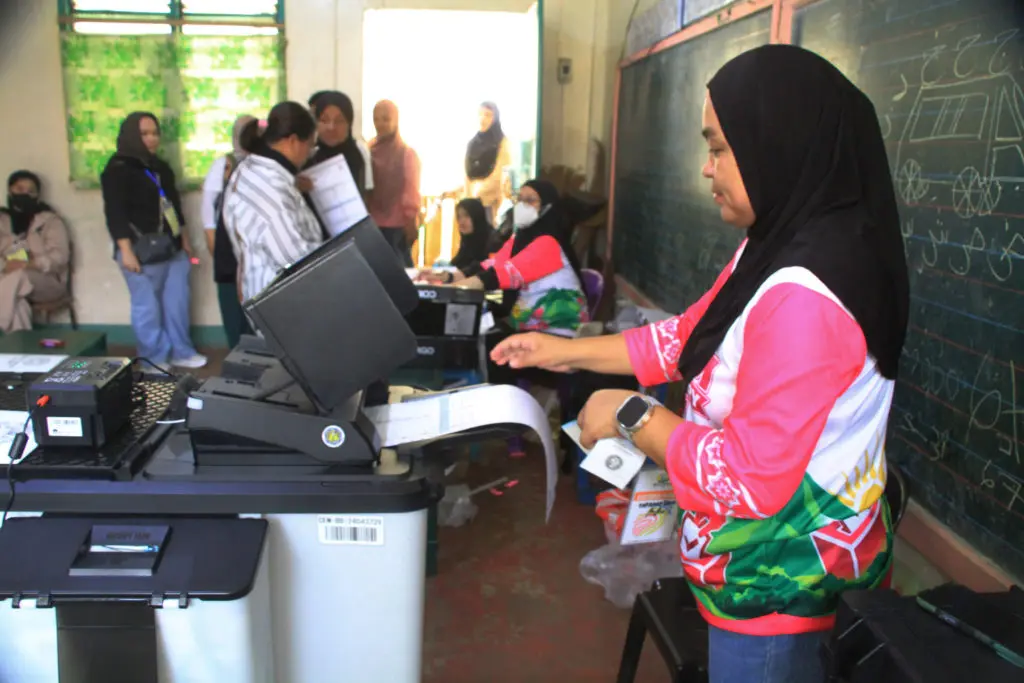 First Parliamentary Vote Marks End of Decades‑Long Conflict in Muslim Philippines
The lack of coordinated action stems from competing priorities: government bodies focused on innovation over regulation, and corporations driven by market competition and shareholder returns. As AI models grow in scale and capability, the potential for misuse—ranging from amplified bias to autonomous decision-making in critical systems—increases alongside profits. Experts warn that without intervention, the technology may deepen inequality and erode public trust, even as its economic promise remains real.
Can Public Interest Outweigh Private Gain in AI Policy?
Industry-led pledges to develop AI responsibly have largely failed to produce enforceable standards, with companies often prioritizing speed over safety. Congressional hearings have highlighted concerns but yielded no comprehensive legislation, leaving a regulatory vacuum. Meanwhile, the White House has issued executive orders emphasizing AI safety, yet implementation remains inconsistent across agencies. Critics argue that these fragmented efforts lack the teeth needed to counteract profit-driven incentives that push boundaries without accountability.
Some lawmakers and advocacy groups are pushing for stronger antitrust scrutiny and public investment in open-source AI alternatives to counter corporate dominance. Proposals include creating a federal AI oversight body with authority to audit high-risk systems and mandate impact assessments. Supporters say such measures could align innovation with broad public benefit, but opponents caution that overregulation might push development overseas. The debate centers on whether democratic institutions can act swiftly enough to shape a technology evolving at breakneck speed.
What specific dangers arise from uncontrolled AI growth? Unregulated AI can reinforce societal biases, enable mass surveillance, and automate jobs without adequate transition support, potentially worsening economic inequality and undermining democratic processes.
Frequently Asked Questions
How have leading AI companies responded to calls for regulation? While some firms have adopted internal ethics boards and safety teams, most resist external mandates, arguing that self-regulation and technical standards are sufficient to manage risks.
Is it still possible to redirect AI development toward equitable outcomes? Yes, experts agree that timely policy intervention—combining transparency requirements, public funding for ethical research, and enforceable safety rules—can still steer AI toward wider societal benefit.