European Autonomy in Post‑Ceasefire Operations
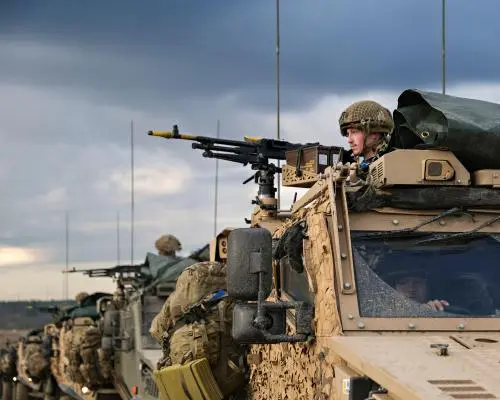
British and European troops, stationed as part of a new peacekeeping force in Ukraine, will be authorized to return fire if attacked by Russian forces, according to Western officials. The initiative, led by the United Kingdom and France, is designed to stabilize the region following a proposed ceasefire and to deter further aggression.
Latest news
 Bayer Boosts 2024 Profit Forecast on Surge in New Drug Sales
 School in Cisiordania fortifies defenses after five student deaths
 Horticultural Town Faces Sudden Health Crisis
 Human activity may have already ended the last glacial period, new study finds
The force, which will operate independently of American military technology, will rely on European equipment and communication systems. Western leaders emphasized that the unit would not use U. S.-supplied platforms such as Elon Musk’s Starlink satellite network. Instead, the coalition will employ its own secure communication channels and logistical support, ensuring operational autonomy and reducing dependence on U. S. infrastructure.
The decision to exclude U. S. systems underscores a broader strategy of European self‑reliance in defense matters. By fielding a force that relies solely on European technology, the UK and France aim to demonstrate that NATO allies can manage regional security without American oversight. This move also signals a shift in the geopolitical balance, as European nations seek to assert greater influence in Eastern Europe.
Will the Force Be Effective Without U. S. Support?
The new peacekeeping arrangement will involve troops from several EU member states, including Germany, Italy, and Poland. Each nation will contribute infantry units, artillery support, and intelligence specialists. The coalition will coordinate through a joint command structure headquartered in Kyiv, ensuring rapid decision‑making and unified response protocols.
The effectiveness of a purely European force hinges on several factors. First, the quality of the equipment: European manufacturers have produced advanced armored vehicles and precision‑guided munitions that can match U. S. capabilities. Second, the training regimen: joint exercises conducted over the past year have improved interoperability among the participating armies. Third, the political will: all member states have pledged sustained funding and personnel, reflecting a collective commitment to Ukraine’s stability.
Critics argue that excluding U. S. technology could limit the force’s operational flexibility, especially in high‑intensity conflict scenarios. However, proponents point out that the autonomy will foster innovation within European defense industries and reduce strategic vulnerabilities associated with foreign dependency.
The new peacekeeping mission is slated to begin operations in early 2025, pending final approvals from the European Union and NATO. If successful, it could serve as a model for future multinational interventions that prioritize regional self‑sufficiency.
Frequently Asked Questions
Q1: What types of weapons will the peacekeepers use? A1: The coalition will deploy European‑made infantry weapons, armored vehicles, and precision artillery. No U. S.‑made munitions are included.
Q2: How will the force communicate without Starlink? A2: They will use European satellite networks and hardened radio systems developed by NATO partners, ensuring secure and reliable links.
Q3: When is the mission expected to start? A3: The operation is planned for early 2025, following final diplomatic and logistical preparations.