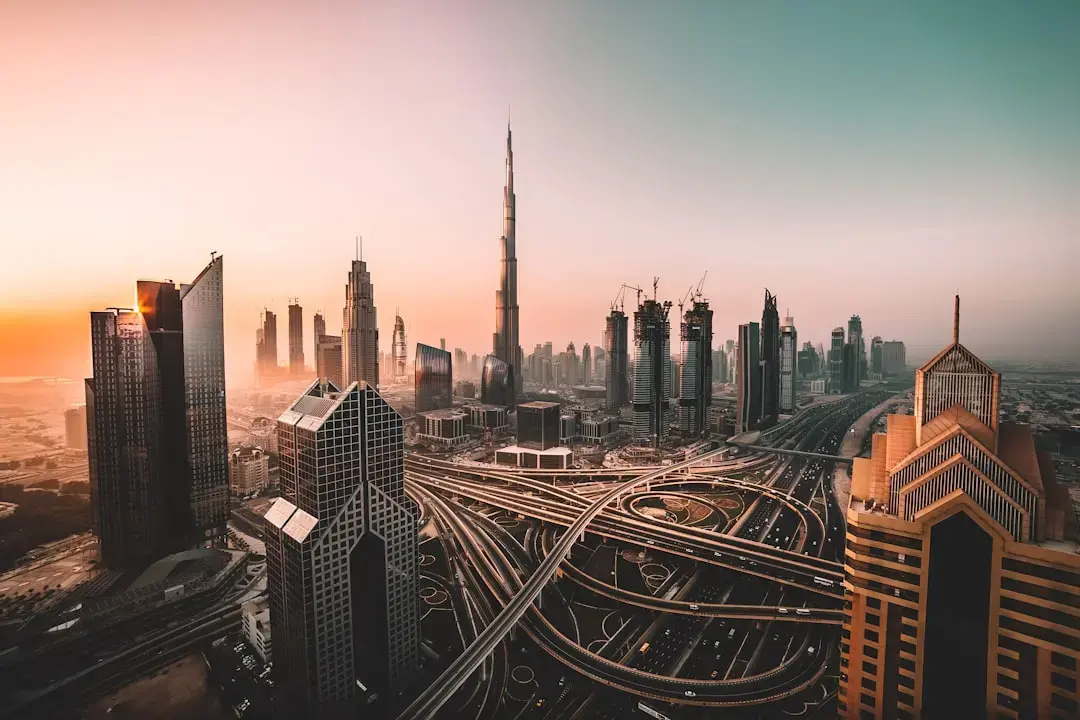
Why DIFC Remains a Magnet for Global Capital
The Dubai International Financial Centre (DIFC) announced it now hosts more than 10,000 active companies. The milestone was reached in early June 2024, reflecting a steady influx of multinational firms despite ongoing war risks in neighboring regions. The centre, a self‑contained financial free zone, continues to attract banks, asset managers, and fintech startups.
Latest news
 Swedish Voters Choose New Parliament as Left-Wing Coalition Projects to Win Majority
 Trump Announces End of US Tariff on Irish Whisky
 Frances Stonor Saunders, Author of CIA Cultural Espionage Exposé, Dies at 66
 Israel and Lebanon to Hold Security Talks in Rome This October
Growth has been driven by the UAE’s stable regulatory framework, tax incentives, and strategic location linking Asia, Europe, and Africa. Investors cite confidence in Dubai’s rule of law and its modern infrastructure as key reasons for setting up shop. Even as the Middle East grapples with conflict, the DIFC’s resilience underscores the city’s reputation as a safe haven for capital.
The centre’s success rests on a blend of legal certainty and business‑friendly policies. Companies benefit from a common law system modeled on the UK, which simplifies contract enforcement. „We chose DIFC because it offers a transparent legal environment and a robust dispute‑resolution mechanism,” said Maria Alvarez, senior legal counsel at a European asset manager. Moreover, the zone provides 100% foreign ownership, no corporate tax on profits, and easy repatriation of funds.
Can Ongoing War Risks Undermine DIFC’s Growth Trajectory?
Infrastructure upgrades have also played a role. The recent expansion of the Dubai Metro and the launch of high‑speed fiber networks have reduced operational costs. Financial institutions cite the proximity to major airlines and the presence of a deep talent pool as decisive factors. In the past year, fintech firms have grown by 18%, leveraging the DIFC’s sandbox environment to test innovative products.
Analysts warn that regional instability could pose challenges, but the impact appears limited so far. The UAE’s diplomatic neutrality and its investment in security have insulated the centre from spill‑over effects. „While we monitor the situation closely, the risk is manageable thanks to strong governance and diversified client bases,” noted Ahmed Al‑Saadi, a senior economist at a Gulf‑based consultancy. Insurance premiums for corporate assets have risen modestly, yet many firms view the cost as a small price for access to the broader Middle Eastern market.
Looking ahead, the DIFC aims to surpass 12,000 firms by 2026, focusing on green finance and digital assets. The centre’s leadership plans to introduce new sustainability standards and blockchain‑friendly regulations. If these initiatives succeed, Dubai could cement its status as a leading global financial hub, even as geopolitical tensions persist.
Frequently Asked Questions
What types of companies are included in the 10,000‑firm count? The tally covers banks, insurance firms, asset managers, law firms, fintech startups, and professional services providers operating under the DIFC’s jurisdiction.
How does the war risk affect business operations in the DIFC? Most firms report minimal disruption. Security measures and insurance costs have increased slightly, but the centre’s legal and regulatory stability continues to attract investors.
Will the DIFC’s growth impact the wider UAE economy? Yes. The influx of foreign firms boosts job creation, stimulates ancillary services, and enhances Dubai’s reputation as a gateway for regional and global trade.