Why Age Verification Alone Isn't Enough
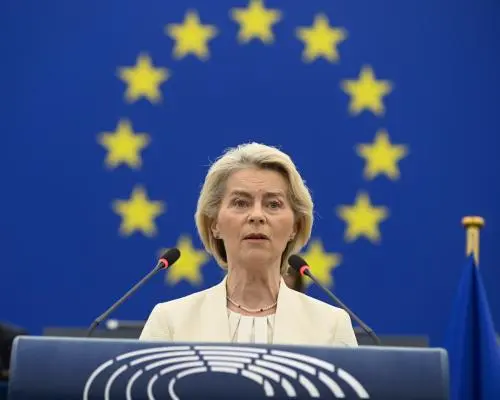
The European Commission has confirmed plans to introduce legislation banning social media use for children under the age of 13 across the European Union. Commission President Ursula von der Leyen announced the initiative on Wednesday, stating that current platforms are harming young users by depriving them of a normal childhood. She emphasized that major technology companies must demonstrate the safety of their products before allowing underage access.
Latest news
 IMF Cuts Australia Growth Forecast Amid Rate Hike Warnings
 Nicaraguan Exile Journalist Luis Galeano Detained by U.S. ICE in Florida
 Congress Passes Bill Granting Trump Expanded Sanctions Authority
 AI pioneer Yoshua Bengio warns of imminent crisis
The proposed law would require social media platforms to verify user ages and block accounts held by individuals under 13. Von der Leyen argued that prolonged exposure to algorithm-driven content negatively affects children's mental development and social skills. She called for stricter accountability from tech firms, insisting they prove their apps do not exploit young users' vulnerabilities.
How Will This Affect Platforms Like TikTok and Instagram?
Von der Leyen criticized existing age-check mechanisms as easily circumvented, noting that many children bypass restrictions by providing false birthdates. She stressed that self-regulation by platforms has failed and that legal enforcement is now necessary. The Commission will draft rules requiring robust identity verification systems, potentially involving official documentation or parental consent tools. Fines for non-compliance could reach up to 6% of a company's global turnover, aligning with penalties under the Digital Services Act.
Major platforms popular with teenagers, including TikTok, Instagram, and Snapchat, would face significant operational changes if the ban takes effect. These apps currently allow users aged 13 and over but rely heavily on younger demographics for engagement. The Commission acknowledged enforcement challenges but pointed to successful models in countries like France and Germany, where similar restrictions have reduced underage sign-ups. Parents' associations have broadly supported the move, citing rising cases of anxiety and sleep disorders linked to early social media exposure.
Will the ban apply to all social media apps or only specific ones? The legislation aims to cover all platforms that allow user-generated content sharing and social interaction, including messaging features within games. Exceptions may be considered for educational tools under strict supervision.
Frequently Asked Questions
What happens if a child under 13 creates an account anyway? Platforms would be held responsible for failing to prevent underage registration. Repeated violations could trigger investigations and substantial fines under EU digital regulations.
When is the draft law expected to be published? Von der Leyen confirmed the draft law will be presented in the coming months, with formal legislative procedures to follow after consultation with member states and child protection experts.