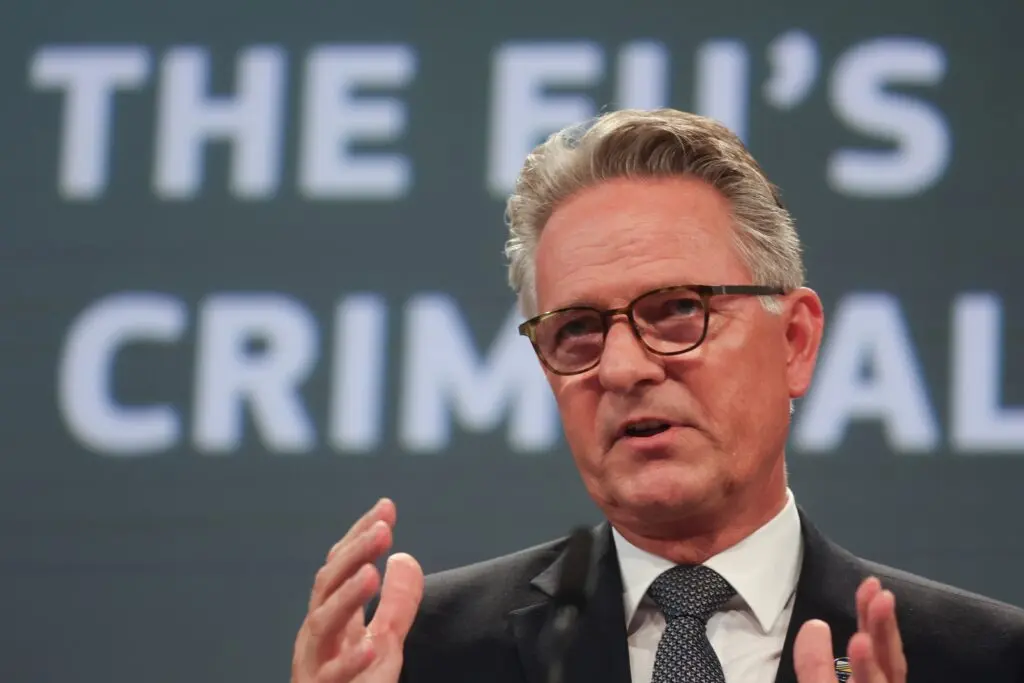
EU officials acknowledge the tension between enhancing security and upholding
Brussels — Senior European Union officials are warning that a proposed initiative to equip Europol with advanced artificial intelligence tools could compromise citizens' privacy rights. The plan, aimed at strengthening the EU’s law enforcement capabilities in response to rising AI-driven threats, has sparked debate over surveillance and data protection. Cybercriminals, terrorists, and foreign spies are increasingly using AI to conduct scams, extortion schemes, and sophisticated cyberattacks, prompting Brussels to seek enhanced technological defenses. Balancing Security and Civil Liberties in the AI Age The proposed expansion of Europol’s AI powers would allow the agency to process vast amounts of data more efficiently, potentially improving its ability to detect and prevent cross-border crimes. However, critics argue that without strict safeguards, such capabilities could lead to indiscriminate monitoring and erosion of personal freedoms.
Latest news
 Spain's Socialist Fault Lines Test Pedro Sanchez
 Far-Right AfD Seeks Control of Saxony-Anhalt State Parliament
 Fuel Prices Surge in Italy as Tax Cuts Expire, Hauliers Threaten Action
 Ray Dalio Warns of US Debt Crisis Within 3 Years
EU officials acknowledge the tension between enhancing security and upholding fundamental rights, emphasizing that any new tools must comply with existing data protection laws like the GDPR. How Will Oversight Prevent Abuse of AI Tools? To address concerns, the EU is considering establishing independent oversight mechanisms to monitor how Europol uses AI systems. These could include regular audits, transparency reports, and judicial authorization requirements for certain types of data analysis. Proponents insist that robust governance frameworks will ensure accountability while enabling the agency to stay ahead of evolving threats. Still, digital rights groups remain skeptical, calling for clearer limits on biometric surveillance and predictive policing applications. Frequently Asked Questions What specific AI capabilities is Europol seeking to gain? Europol aims to improve its ability to analyze large datasets, detect patterns in criminal behavior, and automate parts of threat intelligence gathering, particularly related to AI-generated fraud and cyber intrusions.
How does the EU plan to protect privacy while expanding police AI powers? The bloc intends to rely on strict legal frameworks, including data minimization principles and independent oversight, to ensure that AI use by Europol remains proportionate and subject to legal review. Could this plan lead to increased surveillance of ordinary citizens? Officials state that the focus remains on serious crime and terrorism, but critics warn that broad data access powers could inadvertently sweep up innocent individuals if not properly constrained.