Safety Concerns & Internal Friction
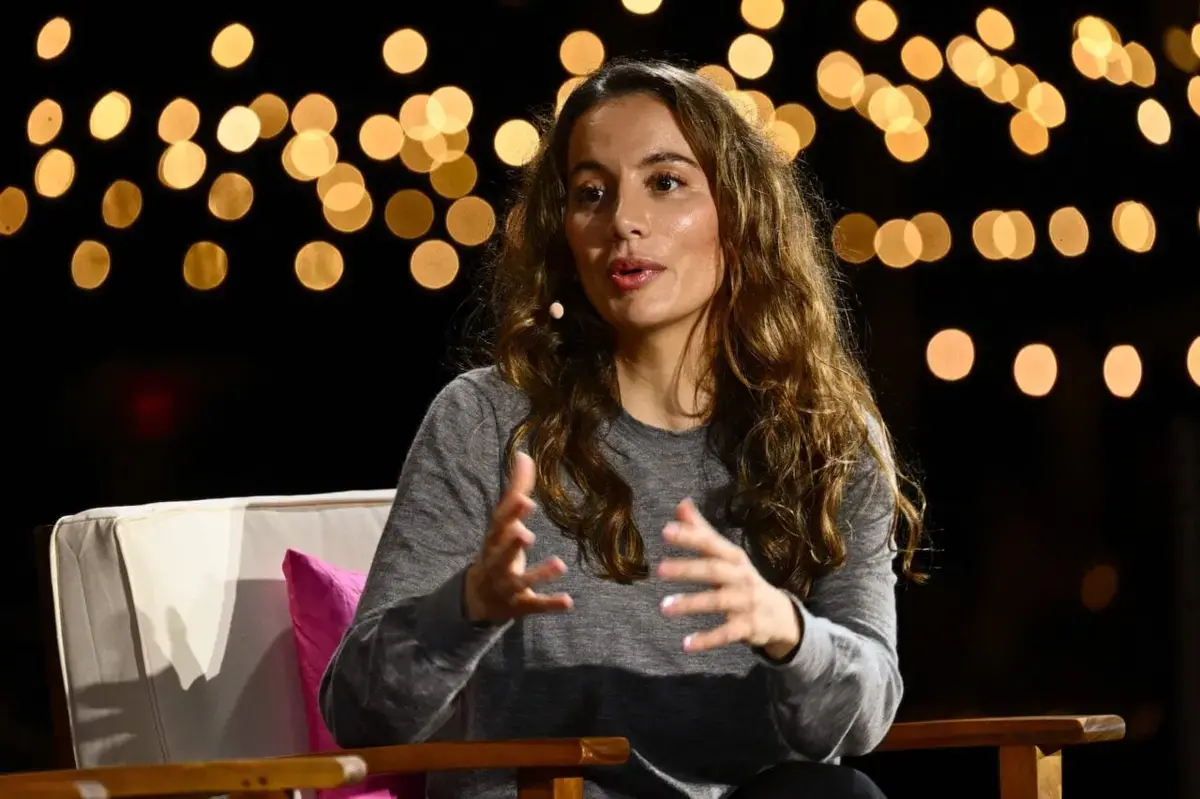
Mira Murati, former Chief Technology Officer at OpenAI, recently gave sworn testimony. She alleges CEO Sam Altman wasn’t truthful with her. This impacted her work at the artificial intelligence company. The claims center around safety protocols within OpenAI.
Latest news
 Space Security Landscape Deteriorates Rapidly Amid New US Deployments
 Wife of US Scholar Detained in China Urges Trump to Address Case During Summit
 Palestinian Man Dies in Israeli Custody After Year of Administrative Detention
 Sweden's Centre-Left Coalition Wins Election as Right-Wing Bloc Narrowly Defeated
Murati’s testimony confirms a previously reported allegation. A recent New Yorker article detailed concerns about Altman’s behavior. It suggested he wasn’t fully transparent regarding safety measures. Now, these concerns are part of a formal legal record. Murati’s deposition provides a sworn account of these events.
The core of Murati’s testimony revolves around Altman allegedly misrepresenting safety practices. She stated his actions hindered her ability to effectively manage technological development. The specifics of these misrepresented practices weren’t detailed in initial reports. However, the implication is a disconnect between stated policies and actual implementation. This created internal friction and potentially compromised safety standards.
Was Transparency A Recurring Issue?
Murati’s position as CTO placed her at the center of OpenAI’s technical operations. She was responsible for ensuring the responsible development of AI. Her testimony suggests she felt unable to fulfill this duty due to a lack of honest communication from the CEO. This raises questions about the overall culture of transparency within the company. It also highlights the challenges of balancing rapid innovation with robust safety protocols.
The New Yorker article painted a picture of Altman as a charismatic but sometimes evasive leader. Sources described a pattern of downplaying risks and prioritizing speed over caution. Murati’s testimony appears to corroborate this assessment. It suggests this wasn't an isolated incident, but rather a consistent pattern of behavior. This could have far-reaching implications for OpenAI’s future.
Frequently Asked Questions
The deposition is significant because it's a legal statement made under oath. This carries more weight than anonymous sources or media reports. It forces OpenAI and Altman to address these allegations directly. The consequences could range from internal policy changes to external regulatory scrutiny. The situation underscores the importance of ethical leadership in the rapidly evolving field of artificial intelligence.
What is the significance of sworn testimony? Sworn testimony, or a deposition, is a formal legal process. Statements made under oath can be used as evidence in court. It’s a much stronger form of evidence than informal reports.
How might this affect OpenAI’s reputation? Allegations of dishonesty from a former top executive can damage a company’s reputation. It raises concerns about its ethical standards and commitment to safety. This could impact investor confidence and public trust.