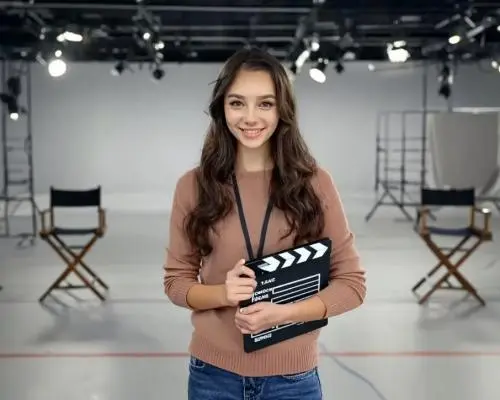
The Synthetic Frontier of Performance
A digital recreation of Val Kilmer now headlines the western film As Deep as the Grave, marking a significant shift in cinema. This AI-generated performance, sanctioned by the actor’s family, revives his youthful likeness for a new generation. The project highlights how artificial intelligence is increasingly replacing traditional casting methods in Hollywood.
Latest news
 Trump Claims Macron’s Immigration Policies Threaten Future of Paris
 Widespread Anger Drives European Citizens to the Streets Over High Costs
 US Supreme Court Takes Up Race-Based School Admissions Case
 US Secretary of State Marco Rubio Prepares for High-Stakes Talks in India
The technology creates a doppelgangerthat mimics the late actor’s appearance and voice with startling precision. Director Coerte Voorhees utilizes these tools to bridge the gap between past legends and modern storytelling. While the visual fidelity is impressive, the film serves as a test case for the ethical boundaries of posthumous performances.
The rise of AI-driven actors like the digital Kilmer and the fictional starlet Tilly Norwood signals a major industry pivot. Studios are now exploring ways to harness the likenesses of iconic performers to anchor new productions. This approach reduces the need for physical actors while maintaining the star power that audiences crave.
Is Human Acting Becoming Obsolete?
Producers argue that these tools allow for creative freedom that was previously impossible. By digitally sculpting a performance, directors can achieve exact emotional beats without the limitations of human endurance. However, the trend raises concerns about the future of human talent in an industry increasingly dominated by software.
The integration of synthetic performers forces a difficult conversation about the value of human presence on screen. If an algorithm can perfectly replicate the charisma of a movie star, the role of the actor may be permanently altered. Critics worry that this technology could lead to a sterile cinematic landscape devoid of authentic human connection.
Frequently Asked Questions
As these tools become more accessible, the legal and moral frameworks governing digital likenesses remain murky. Families and estates are currently navigating the complex rights associated with these virtual resurrections. The ultimate success of this technology will depend on whether audiences accept digital ghosts as legitimate stars.
What rights do families have over digital recreations? Families currently hold the legal authority to approve or deny the use of a deceased relative's likeness. This ensures that the estate retains control over the actor's legacy and financial interests.
Will AI replace all human actors in the future? While AI is becoming a powerful tool for special effects, it is unlikely to replace human actors entirely. Audiences still prioritize the genuine emotional depth and spontaneous creativity that only living performers provide.