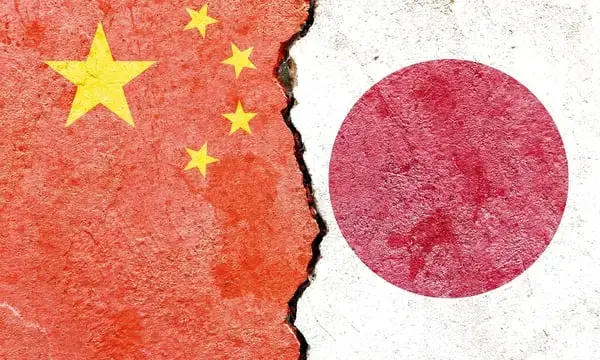
AI-Generated Disinformation Floods Social Media Platforms
Japan's Ministry of Defense released its 2026 Defense of Japan white paper this month, highlighting China's accelerating artificial intelligence capabilities and their implications for regional security. The document underscores how Beijing is leveraging AI not just for military modernization but for sophisticated information warfare targeting Japan and its allies.
Latest news
 Swedish Voters Choose New Parliament as Left-Wing Coalition Projects to Win Majority
 Trump Announces End of US Tariff on Irish Whisky
 Frances Stonor Saunders, Author of CIA Cultural Espionage Exposé, Dies at 66
 Israel and Lebanon to Hold Security Talks in Rome This October
The white paper specifically points to Chinese-linked influence operators increasingly relying on generative AI tools to craft and disseminate propaganda campaigns. These efforts aim to shape public opinion, undermine trust in democratic institutions, and amplify social divisions within Japan and across the Indo-Pacific region.
Defense officials note that AI enables Chinese operatives to produce content at unprecedented scale and speed, overwhelming traditional fact-checking mechanisms. Automated accounts flood Twitter, Facebook, and YouTube with tailored narratives designed to exploit existing societal tensions. These campaigns often mimic local voices, making detection and attribution significantly more challenging for both governments and tech platforms.
Can Japan Defend Against Machine-Speed Propaganda?
Japanese cybersecurity experts report a 300 percent increase in AI-generated disinformation posts referencing Japan since early 2024. Many feature deepfake videos and synthetic audio clips that appear authentic to average users. The Ministry emphasizes that these operations frequently coordinate with state-aligned media outlets to amplify reach and credibility.
Tokyo is accelerating investments in AI-powered counter-disinformation technologies and strengthening partnerships with Washington and Seoul. The U. S. Defense Department confirmed ongoing joint exercises focused on detecting and neutralizing AI-driven influence campaigns. South Korea's National Intelligence Service reported similar Chinese tactics targeting its domestic audience.
Experts suggest Japan may need new legislation governing social media platforms' responsibility to label AI-generated content. Current regulations lag behind the rapid evolution of generative AI tools available to bad actors. The challenge extends beyond technical solutions to encompass public education and media literacy programs.
The outlook remains concerning as China's AI capabilities continue advancing. Without robust countermeasures, Japanese officials fear these influence campaigns could severely impact electoral processes and public confidence in government institutions.
Frequently Asked Questions
How is China using AI differently from traditional propaganda? China employs generative AI to mass-produce personalized disinformation that adapts to specific audiences, unlike conventional one-size-fits-all messaging. This allows for real-time content creation and rapid response to trending topics.
What vulnerabilities does Japan face from these campaigns? Japan's aging population and fragmented media landscape make it susceptible to misinformation spread through social media platforms. The country's reliance on digital communication channels amplifies the potential reach of coordinated inauthentic behavior.
What measures is Japan taking to respond? Japan is enhancing cybersecurity cooperation with allies, developing AI detection tools, and considering regulatory changes requiring platforms to identify synthetic content. Public awareness campaigns aim to improve citizens' ability to recognize manipulated media.