
Can the Grid Support Military AI Needs?
US military installations are vulnerable to the same power grid issues that are struggling to meet the nation's growing electricity demands. The AI boom has added a significant strain on the grid. Military bases require reliable power to operate effectively.
Latest news
 Former CIA Analyst Speaks Out After Being Fired by the Trump Administration
 Women’s Rights Activists Rally in Paris Over Sexual Violence Legislation
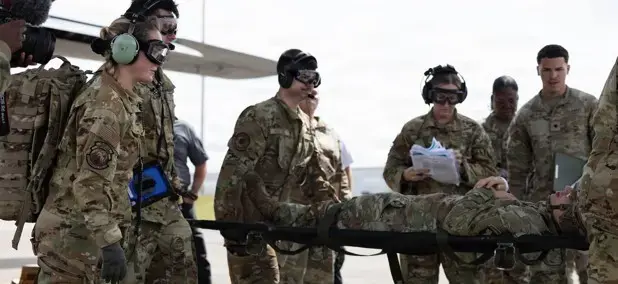 Audit Reveals Critical Flaws in Middle East Medevac Plans
 EU MEP Warns of AI Risks and Calls for Global Treaty Leadership
The US power grid was already struggling to handle the nation's needs before the AI boom. The increasing demand for electricity has exacerbated the problem. Military bases, which are critical to national security, are not immune to these issues.
Is Energy a Limiting Factor in Military AI?
The AI race has created a huge new demand for electricity, further straining the grid. Some argue that energy is not a significant concern in the AI race due to the severity of the problem. The grid's inability to support AI needs could have significant implications for military operations.
The problem is not limited to AI; military bases have various energy-intensive operations. A reliable power supply is essential for their effective functioning. The grid's struggles to meet electricity demands raise concerns about the military's ability to operate effectively.
Frequently Asked Questions
The energy requirements for AI are substantial, and the grid is struggling to keep up. This raises questions about the military's ability to utilize AI effectively. If the grid cannot support AI needs, it could limit the military's ability to leverage this technology.
The consequences of a strained power grid on military operations could be significant. The military's ability to operate effectively relies on a reliable power supply. If the grid continues to struggle, it could have far-reaching implications for national security.