Chaplains and Killer Bots
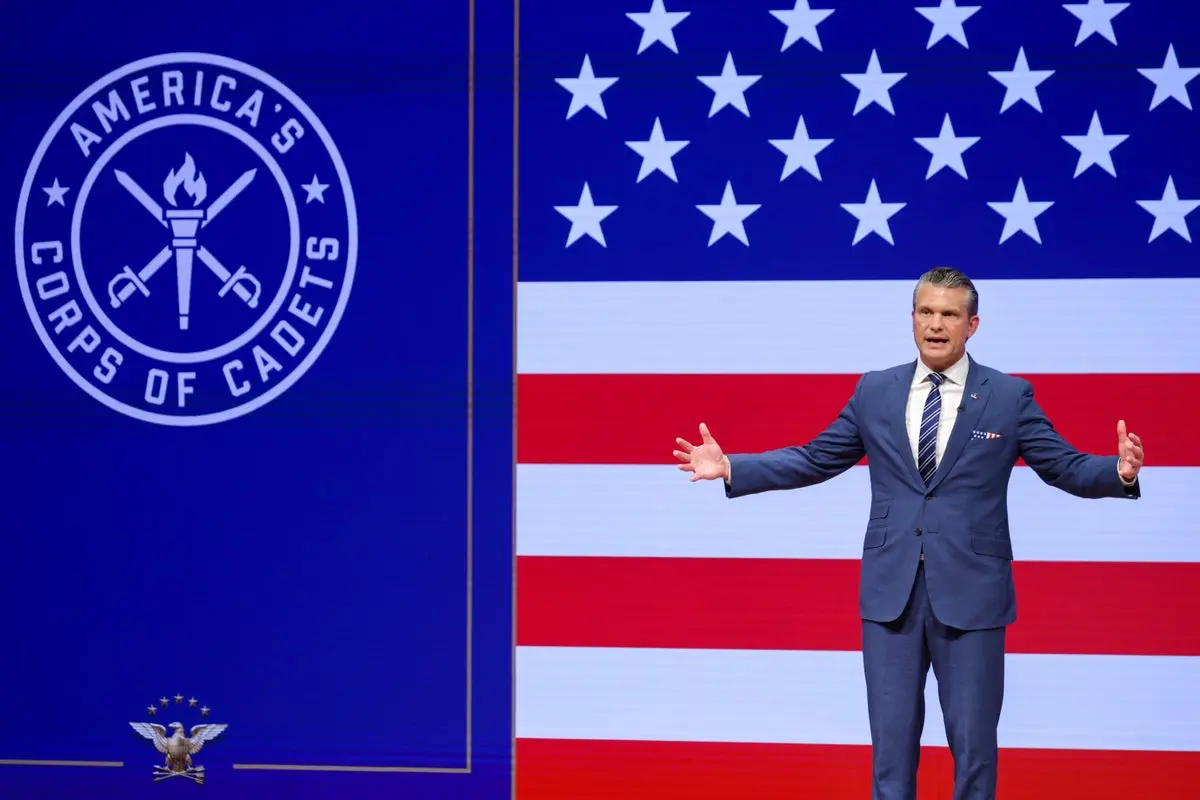
Defense Secretary Pete Hegseth delivered a startling State of the Forcespeech to the US Army. The address took place in Washington, D. C., where he addressed senior military leaders. His demeanor was described as highly energized and intense. He made controversial claims about the media and technology. The speech quickly drew criticism for its erratic tone and content.
Latest news
 Indonesia Finance Chief Signals He’ll Stay Neutral Amid Prabowo’s Economic Push
 International Space Station Considered for Nobel Peace Prize
 Israeli Prime Minister Claims Flydubai Pilot Is Omani, U.S. Considers Deploying 10,000 Troops
 Europe Sees Surge in Data Center Jobs as Digital Demand Spikes
Hegseth accused the entire free press of committing treason against the nation. He spoke with wide eyes and raised volume throughout the presentation. This accusation stands in stark contrast to constitutional protections for journalism. The Secretary suggested that journalists are undermining national security efforts. He did not provide specific evidence for these broad allegations.
Can Faith Justify Autonomous Warfare?
The speech shifted abruptly from media criticism to religious topics. Hegseth proposed increasing the number of Christian chaplains in the military. He linked this religious expansion to the development of autonomous weapons. Specifically, he suggested chaplains could help build killing drones. This connection between faith and lethal technology sparked immediate debate. Critics called the proposal deeply concerning and unprofessional. The idea implies a moral justification for automated warfare.
The juxtaposition of religious fervor and military technology raised ethical questions. Hegseth’s tone became increasingly fervent as he discussed these topics. He appeared to view the media as an enemy of the state. Simultaneously, he framed religious figures as essential to technological advancement. This dual narrative created a confusing message for the audience. Military leaders listened to these claims without immediate public rebuttal. The speech highlighted a significant shift in rhetoric from previous administrations.
The consequences of this address remain uncertain. It may further polarize public opinion regarding the Department of Defense. Trust in military leadership could suffer due to these unusual statements. Future speeches may face heightened scrutiny from journalists and lawmakers. The focus on killer bots signals continued investment in autonomous systems. However, the method of promotion now includes religious undertones. This approach may complicate international diplomatic relations. Allies may question the strategic stability of US military command. The incident underscores the personal influence of political appointees on military messaging.
Frequently Asked Questions
Did Hegseth accuse the press of treason? Yes, he explicitly stated that the free press commits treason. He made this claim during his formal address to the Army.
What did he say about chaplains and drones? He suggested adding more Christian chaplains to help build killing drones. This comment linked religious support directly to weapons development.