The Ethical Dilemma of AI Development
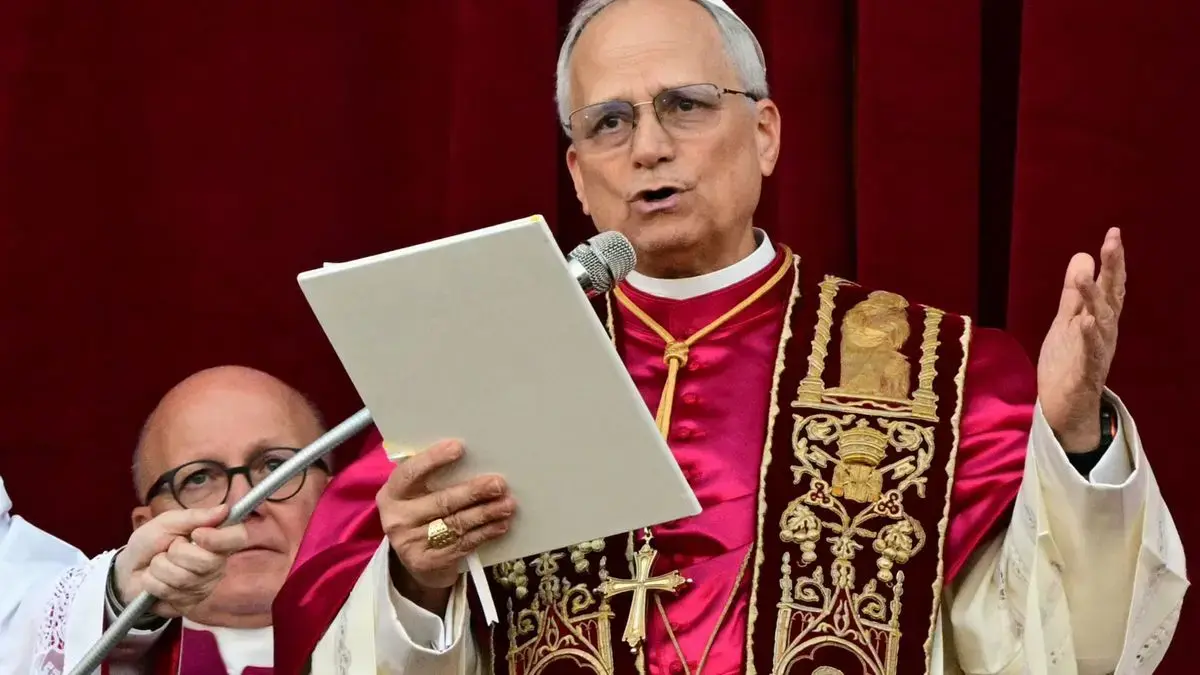
In a recent address, Pope Francis expressed serious reservations about artificial intelligence, highlighting its potential to foster new forms of dehumanization. This warning comes amid growing discussions about the ethical implications of technology and its influence on human interactions. The Pope's remarks were part of a broader document that examines the ethical dimensions of AI. He emphasized the need for technology to prioritize human dignity and warned against the unchecked power of major tech companies. His comments seem particularly directed at Silicon Valley, where AI development is rapidly advancing.
Latest news
 Swedish Voters Choose New Parliament as Left-Wing Coalition Projects to Win Majority
 Trump Announces End of US Tariff on Irish Whisky
 Frances Stonor Saunders, Author of CIA Cultural Espionage Exposé, Dies at 66
 Israel and Lebanon to Hold Security Talks in Rome This October
Pope Francis underscored the ethical challenges posed by AI, suggesting that without proper oversight, technology could lead to a society where human values are undermined. He pointed out that AI systems, if not carefully managed, might prioritize efficiency over empathy, resulting in a disconnect between people. The Pope's call for a more humane approach to technology is a reminder that innovation should serve humanity, not diminish it.
The document stresses the importance of collaboration between tech developers and ethicists. The Pope believes that engaging diverse perspectives can help ensure that AI advancements align with moral principles. He urged tech leaders to adopt a more responsible stance in their innovations, advocating for transparency and accountability.
Is Big Tech Listening to the Pope's Warning?
As the influence of big tech companies continues to grow, the Pope's message raises an important question: Are these companies prepared to address the ethical implications of their products? The rapid development of AI technologies often outpaces regulatory frameworks, leading to concerns about privacy, security, and human rights.
Critics argue that many tech companies prioritize profit over ethical considerations, risking societal harm. The Pope’s call for a re-evaluation of priorities serves as a crucial reminder for the industry to reflect on its impact on society. By fostering a culture of responsibility, tech companies can contribute positively to the future of AI.
The Pope's warning may lead to increased scrutiny of AI technologies and their developers. As public awareness grows, there could be a push for more robust regulations to ensure that technology serves humanity. The implications of AI on society will likely remain a hot topic, urging both developers and users to consider the moral dimensions of their actions.
Frequently Asked Questions
What did the Pope say about AI? The Pope warned that AI could lead to new forms of dehumanization and emphasized the importance of ethical considerations in technology development.
Why is the Pope's message significant? His remarks highlight the need for tech companies to prioritize human dignity and responsibility as AI technologies continue to evolve rapidly.
How might this affect tech companies? The Pope's warning could prompt increased scrutiny of AI practices and lead to calls for stronger regulations to protect human rights and values in technology.