How Protectionism Shapes Model Development
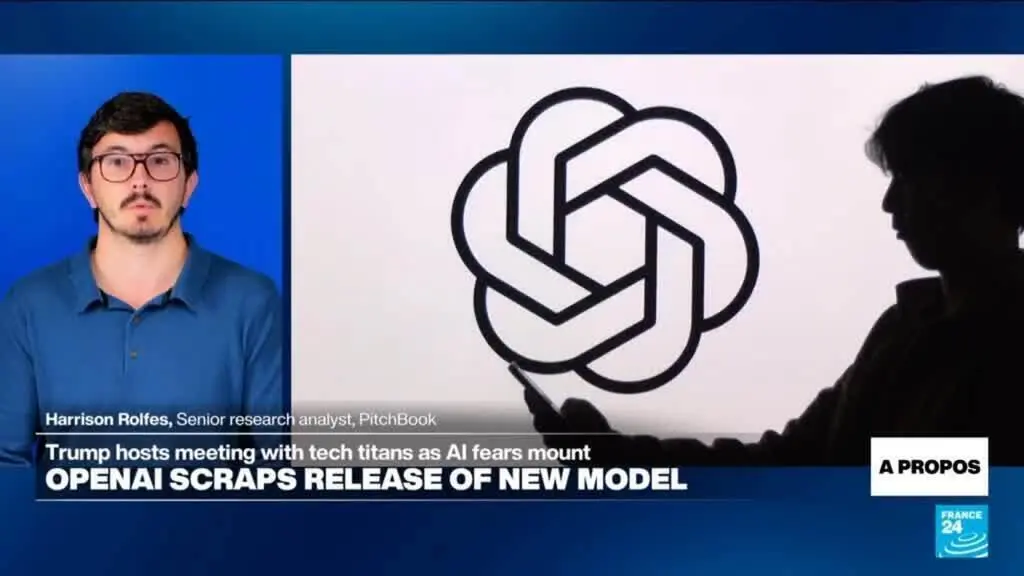
President Donald Trump stated on Tuesday that technology executives gathered for a meeting discussed new protective measures. These safeguards are designed to shield American artificial intelligence companies from foreign competition. The administration argues that these steps are necessary to maintain a competitive edge. Critics, however, warn that such protectionism could slow down global innovation. The debate centers on how much regulation is needed to secure national interests.
Latest news
 G20 Trade Ministers Gather in Wisconsin Amid Tariff Tension
 Senate Democrats Unite to Push for West Bank Violence Report
 Sandino's Rebellion Against U.S. Occupation Begins in Nicaragua
 Diesel Surpasses Gasoline as Europe's Most Expensive Fuel
The White House emphasized that these measures create a strategic barrier. This barrier functions like a financial moat, making it harder for rivals to enter the market. By limiting access to certain technologies, US firms can retain their lead. The policy aims to keep advanced computing power and data within domestic borders. This approach seeks to prevent other nations from catching up quickly.
Experts argue that these protections hinder the growth of open-source models. Open-source AI allows developers worldwide to build upon shared codebases. When safeguards restrict access, this collaborative ecosystem suffers. Companies in the United States benefit from exclusive advantages. Meanwhile, international teams face higher barriers to entry. This dynamic favors large, well-funded American corporations. They can leverage proprietary tools without facing immediate global competition. The result is a slower pace of general advancement.
Will Barriers Boost or Stifle Growth?
Critics point out that open-source projects often drive rapid innovation. They allow smaller startups and academic institutions to contribute meaningfully. Without broad access, these groups struggle to compete. The moatconcept implies a defensive strategy rather than an offensive one. It protects existing players but may stagnate future breakthroughs. Investors are watching closely to see if market dynamics shift. Some predict a consolidation of power among top US firms. Others fear a fragmentation of the global AI landscape.
The long-term effects remain uncertain. A strong domestic industry could lead to faster commercialization. However, isolation might reduce the diversity of solutions. Different regions bring unique perspectives to problem-solving. Limiting cross-border collaboration could narrow the range of applications. For example, healthcare AI developed in Europe might not reach US patients as quickly. Similarly, industrial models built in Asia might take longer to adapt locally. The balance between security and openness is delicate. Policymakers must weigh immediate gains against future potential.
Frequently Asked Questions
Industry leaders have mixed reactions to the news. Some support the move as a necessary step for survival. Others worry about creating an echo chamber. They argue that competition drives quality improvements. Without external pressure, internal teams may become complacent. The next few months will reveal early signs of change. New funding rounds and partnership deals will indicate direction. Analysts suggest that hybrid models may emerge. These would combine protected core technologies with open interfaces. Such a compromise could satisfy both camps.
Do these safeguards ban open-source AI entirely? No, they do not issue a total ban. Instead, they create regulatory hurdles that make sharing code and data more difficult. This slows down the adoption of open models by non-US entities.
Who benefits most from the new moat strategy? Large American tech corporations stand to gain the most. They possess the resources to navigate complex regulations. Smaller firms and international competitors face greater challenges in entering the market.