Why the Senate Letter Matters for AI Regulation
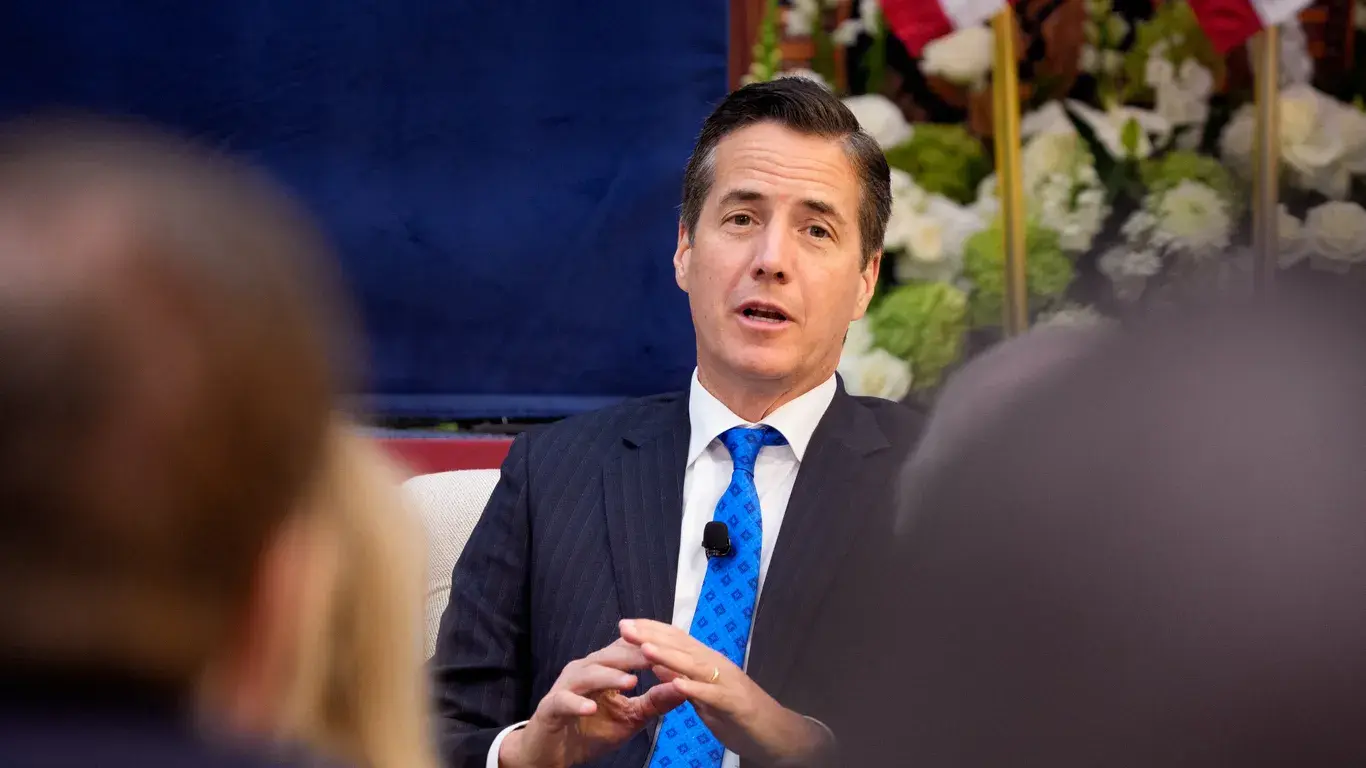
A Republican senator from Ohio has written to the chief executive of the AI firm Anthropic, warning against what he calls an „alarmist” stance on artificial intelligence. The letter, sent on Monday, was obtained by a news outlet and highlights a growing political pushback against the company as it prepares for a major public offering.
Latest news
 Israel Faces Possible Civil Breakdown, CIA Warns
 AI Made the List—but Humans Still Did the Killing
 Maine's Political Bellwether Faces Test in 2026 Midterms
 Archdiocese Sues U.S. Government Over Denial of Catholic Sacraments to ICE Detainees
The senator, Bernie Moreno, is urging Anthropic’s CEO, Dario Amodei, to avoid „panic‑inducing commentary” about the technology. His message comes at a time when the company is expected to file for an initial public offering, which could bring significant attention and scrutiny from regulators and lawmakers. Moreno’s criticism reflects a broader trend of political figures, many aligned with former President Trump, who are increasingly wary of rapid AI development and its potential risks.
Is the AI Debate Turning Into a Political Fight?
Senator Moreno’s letter signals that lawmakers are paying close attention to the narratives that shape public perception of AI. He argues that sensationalist language can lead to unnecessary fear and hinder constructive policy discussions. By calling for a more measured tone, Moreno hopes to create space for balanced debate about safety protocols, ethical guidelines, and the economic impact of AI systems. His stance also underscores the tension between industry leaders who emphasize innovation and regulators who prioritize risk mitigation.
Amodei, who stepped down from his previous role at OpenAI, has positioned Anthropic as a company focused on safety and transparency. The senator’s critique, however, suggests that even well‑intentioned messaging can be perceived as alarmist. This dynamic illustrates how public statements by AI executives are scrutinized for political implications, especially when a company’s valuation and public profile are on the rise.
What Comes Next for Anthropic and AI Policy?
The letter raises the question of whether the AI debate is becoming a partisan issue. Critics argue that fear‑mongering can stifle progress, while supporters claim that caution is necessary to prevent harmful outcomes. The senator’s remarks echo concerns that the rapid deployment of advanced models could outpace existing regulatory frameworks. His call for a tempered approach reflects a broader demand for clearer guidelines on how AI should be developed, tested, and deployed.
Frequently Asked Questions
Amodei’s response to the letter has not yet been released, but the situation highlights the delicate balance between innovation and oversight. If the company’s IPO proceeds, it could face increased pressure to demonstrate compliance with emerging AI standards. The debate also touches on how AI companies communicate risks to the public and the role of political actors in shaping that narrative.
The letter’s impact may influence how Anthropic frames its public messaging moving forward. It could prompt the company to adopt more precise language about its safety measures and risk assessments. Meanwhile, lawmakers may use this episode to push for clearer regulations that address both the benefits and dangers of AI. The outcome will likely affect investor confidence, regulatory scrutiny, and the broader trajectory of AI development in the United States.