Why AI Talks Face Structural Obstacles
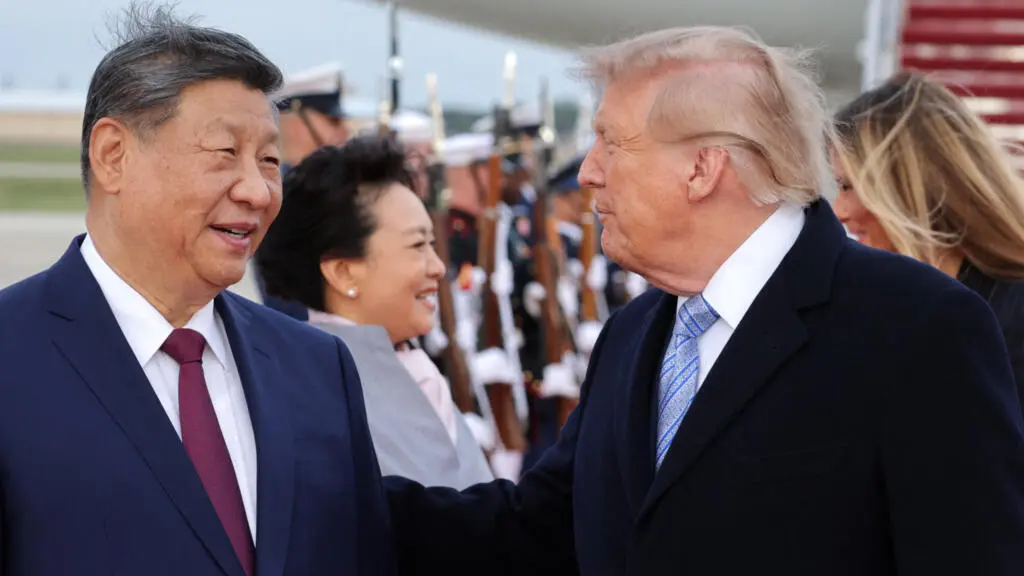
U. S. President Donald Trump and Chinese President Xi Jinping met today in the Oval Office to discuss bilateral relations, with artificial intelligence cooperation emerging as a key but challenging topic. The meeting took place against a backdrop of growing strategic competition between the two nations, particularly in advanced technologies. Both leaders acknowledged the importance of managing differences while seeking areas of potential collaboration.
Latest news
 French Catholic Influencers Bring Digital Faith to Physical Gatherings
 Africa's Richest Man Backs $660m Fuel Pipeline for Ethiopia and Djibouti
 Nepal Leader Calls Recent Floods a Global Climate Warning
 International Allies Bolster Saudi Defenses Amid Escalating Houthi Strikes
Despite the diplomatic engagement, prospects for meaningful AI cooperation remain limited due to deep-seated mistrust and conflicting national interests. The United States has imposed strict export controls on advanced semiconductors and AI-related equipment to China, citing national security concerns. In response, China has accelerated its domestic AI development efforts, reducing reliance on foreign technology. These actions have created significant barriers to joint research or shared standards in the field.
Can Trust Be Built in a Competitive Environment?
The core issue lies in differing approaches to AI governance and data usage. The U. S. emphasizes private-sector innovation with light regulation, while China prioritizes state-directed AI integration aligned with national goals. Experts note that these fundamental differences make it difficult to establish common frameworks for safety, ethics, or cross-border data flows. Additionally, intelligence concerns on both sides discourage transparency in AI projects that could have dual-use applications.
Analysts suggest that confidence-building measures, such as dialogue on AI safety or joint academic exchanges, could serve as starting points. However, any progress would require concessions that neither side appears ready to make at this stage. The meeting did not produce any specific agreements on AI, but both leaders agreed to maintain communication channels. Future interactions will likely focus on managing rivalry rather than fostering partnership in sensitive technological domains.
What specific AI topics were discussed during the meeting? While no detailed agenda was released, officials indicated that discussions touched on AI safety, intellectual property, and the risks of unregulated AI development in military applications.
Frequently Asked Questions
Is there any chance for future AI collaboration between the U. S. and China? Limited cooperation may occur in non-sensitive areas like climate modeling or public health, but broad technological partnership remains unlikely amid current geopolitical tensions.
Did the meeting result in any new restrictions or concessions on AI technology? No new policies were announced, but both sides reaffirmed existing positions, with the U. S. maintaining export controls and China continuing its push for technological self-reliance.