Urgent Need for Infrastructure Modernization
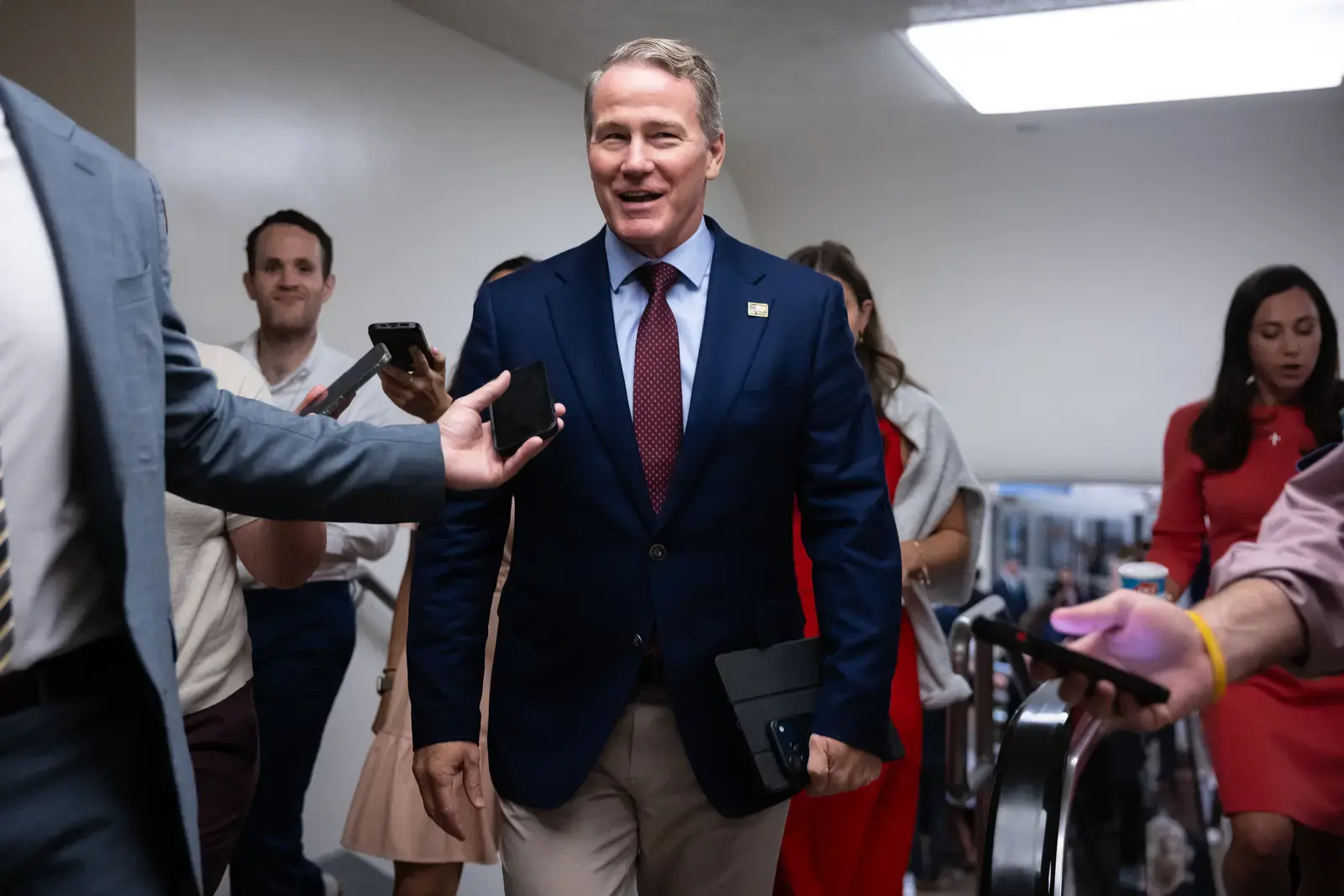
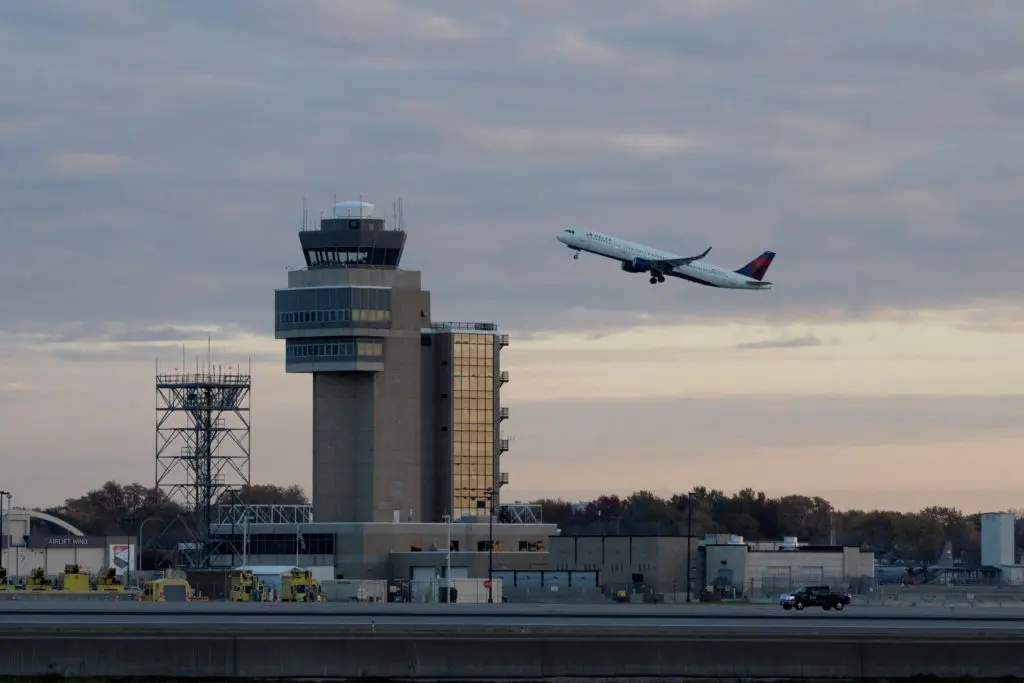
A major air traffic control malfunction forced the cancellation of hundreds of flights across the United States on Monday. The disruption caused significant delays and chaos at major airports nationwide. Transportation Secretary Sean Duffy confirmed the incident and addressed the public. He stated that the event highlights critical weaknesses in the current infrastructure. The system requires urgent modernization to prevent future failures.
Latest news
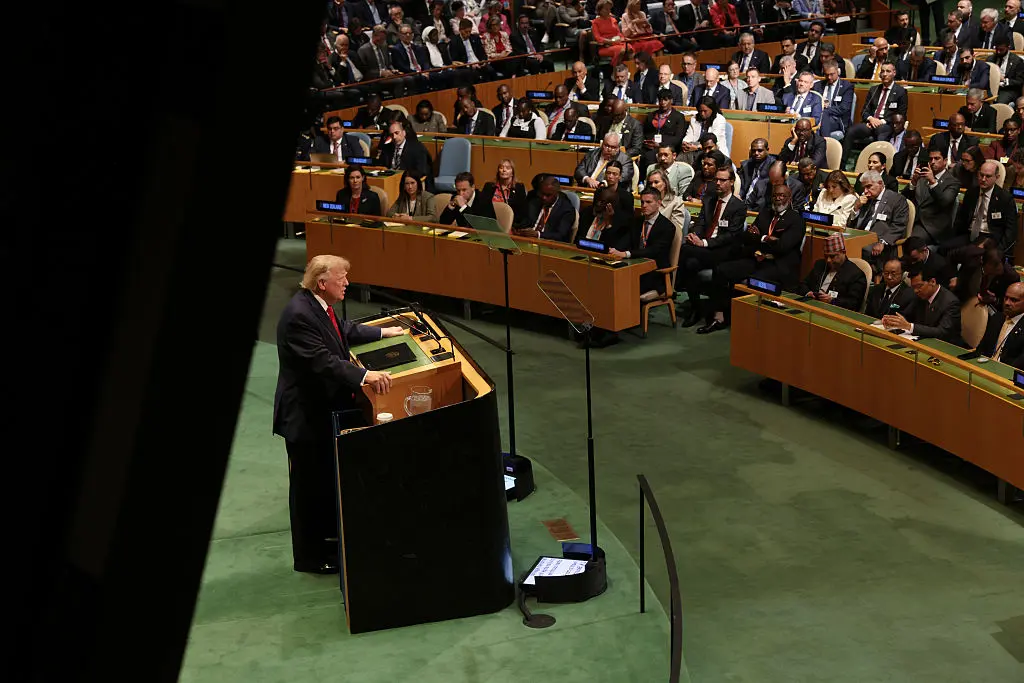 President Trump Declares Force the Path to Peace at UN Assembly
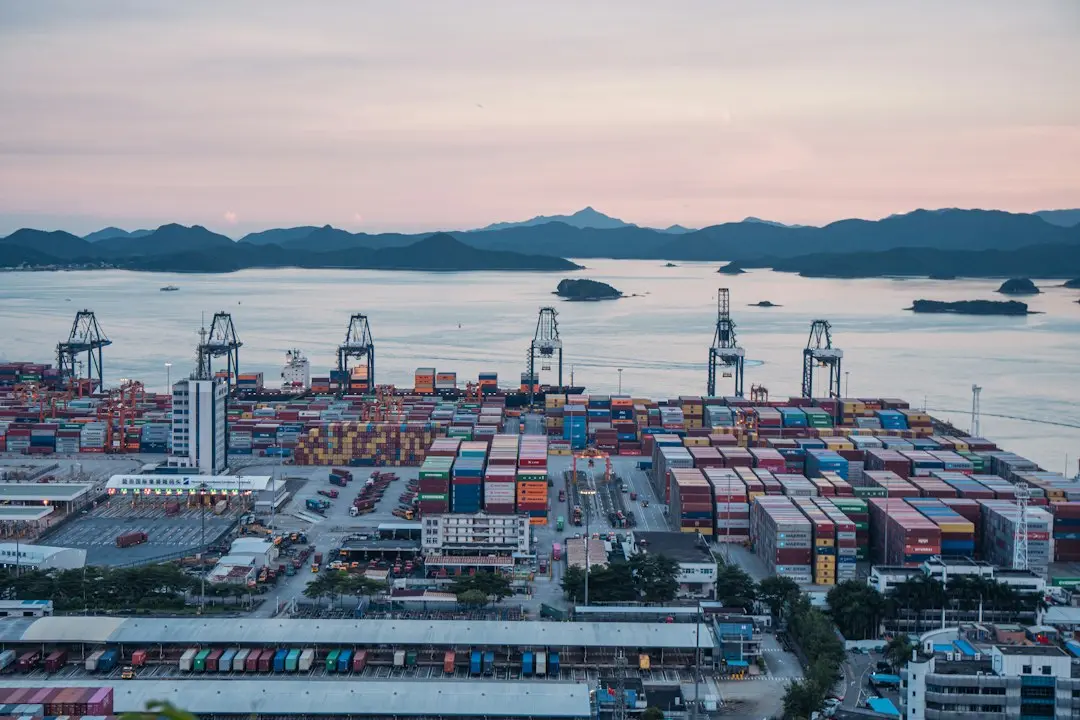 China’s Clean Energy Exports Surge Amid Iran Conflict, Boosting Xi’s Leverage in U.S. Talks
 Carney Commits $100 Million to Palestinian Aid at
 Family Claims Neglect Led to Death of Costa Rican Detainee in ICE Custody
The outage affected multiple hubs, leaving thousands of passengers stranded. Airlines scrambled to rebook travelers and provide assistance. The incident underscores the fragility of the nation’s aviation network. It serves as a stark reminder of the risks associated with outdated technology. Officials are currently investigating the root cause of the failure.
Secretary Duffy emphasized that this disruption validates long-standing concerns about the system’s age. He argued that the incident proves the need for immediate investment. The current air traffic control technology is decades old. It struggles to handle the volume of modern air traffic efficiently. Duffy stated that the interruptions strengthen the case for upgrading the system. He urged policymakers to prioritize funding for necessary improvements. The administration is pushing for a comprehensive overhaul. This includes replacing legacy hardware and software. The goal is to create a more resilient and reliable network.
Why Does Aging Technology Pose Such a Risk?
The failure occurred during a busy travel period. This timing exacerbated the impact on commuters and tourists. Airlines reported significant financial losses due to the cancellations. Passengers faced lengthy waits and uncertain travel plans. The incident has drawn attention from lawmakers in Congress. They are reviewing the current state of aviation safety. Many advocates have called for this upgrade for years. They warn that delays in modernization increase the risk of catastrophic errors. The recent event serves as a tangible example of those risks.
The core issue lies in the obsolescence of the existing systems. Current tools were designed for a different era of aviation. They lack the capacity to process real-time data effectively. This limitation can lead to bottlenecks and human error. Modernizing the system would introduce automated safety checks. It would also improve communication between controllers and pilots. These upgrades are essential for maintaining safe operations. Without them, the system remains vulnerable to similar outages. The cost of inaction far outweighs the investment needed.
Frequently Asked Questions
How many flights were affected by the disruption? Hundreds of flights across the United States were canceled or significantly delayed. The exact number varied by airport and airline.
Who is responsible for fixing the air traffic control system? The Federal Aviation Administration manages the system. However, funding and upgrades require congressional approval and action.
When will the system be fully modernized? There is no specific timeline for complete modernization. Current efforts focus on incremental upgrades and emergency repairs.