
Strategic Timing Ahead of Trilateral Talks
Canadian Prime Minister Mark Carney announced a $100 million aid package for Palestinians during the United Nations General Assembly in New York. The pledge was made on Tuesday, just before high-level talks with European leaders. This significant financial commitment aims to bolster humanitarian support in the region. The announcement coincided with a broader diplomatic push to address ongoing crises.
Latest news
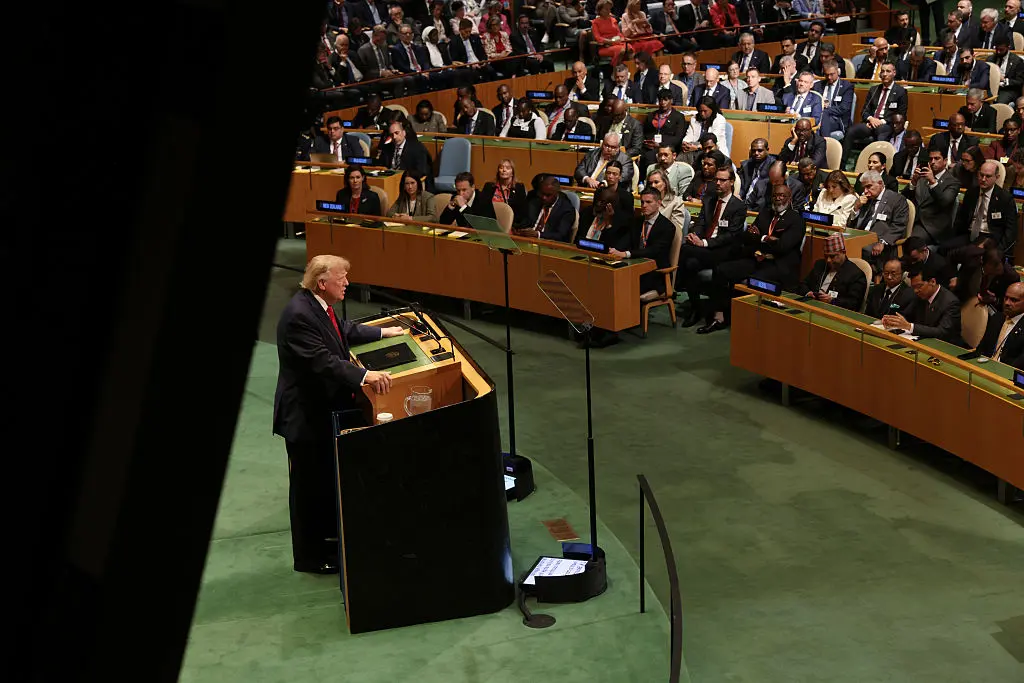 President Trump Declares Force the Path to Peace at UN Assembly
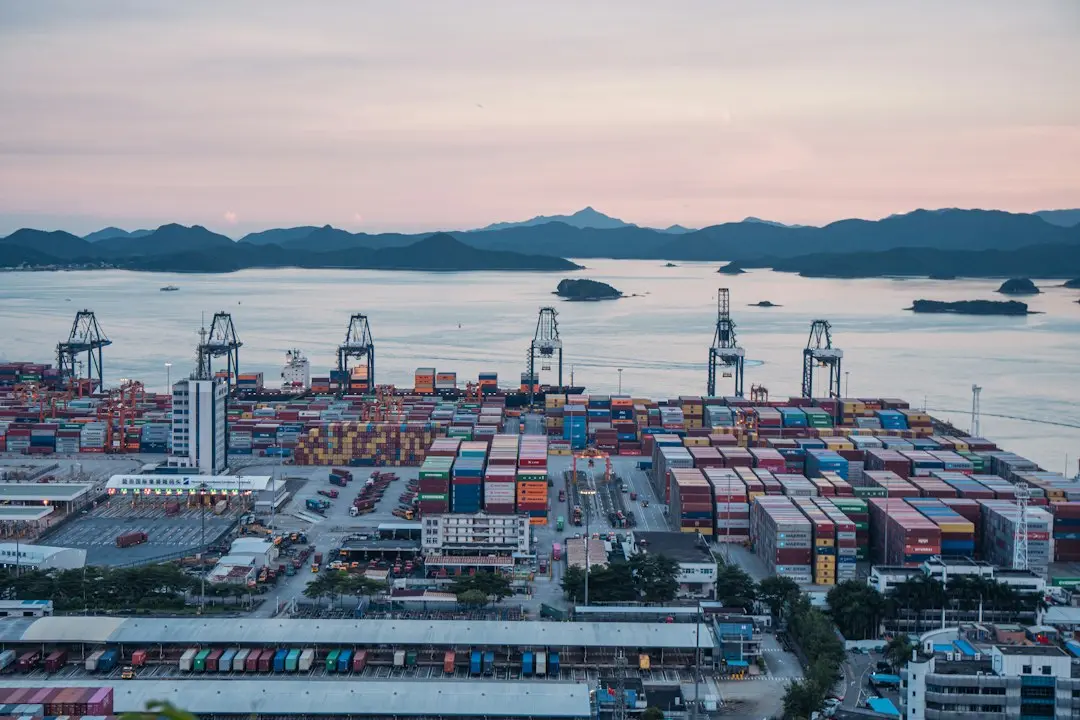 China’s Clean Energy Exports Surge Amid Iran Conflict, Boosting Xi’s Leverage in U.S. Talks
 Family Claims Neglect Led to Death of Costa Rican Detainee in ICE Custody
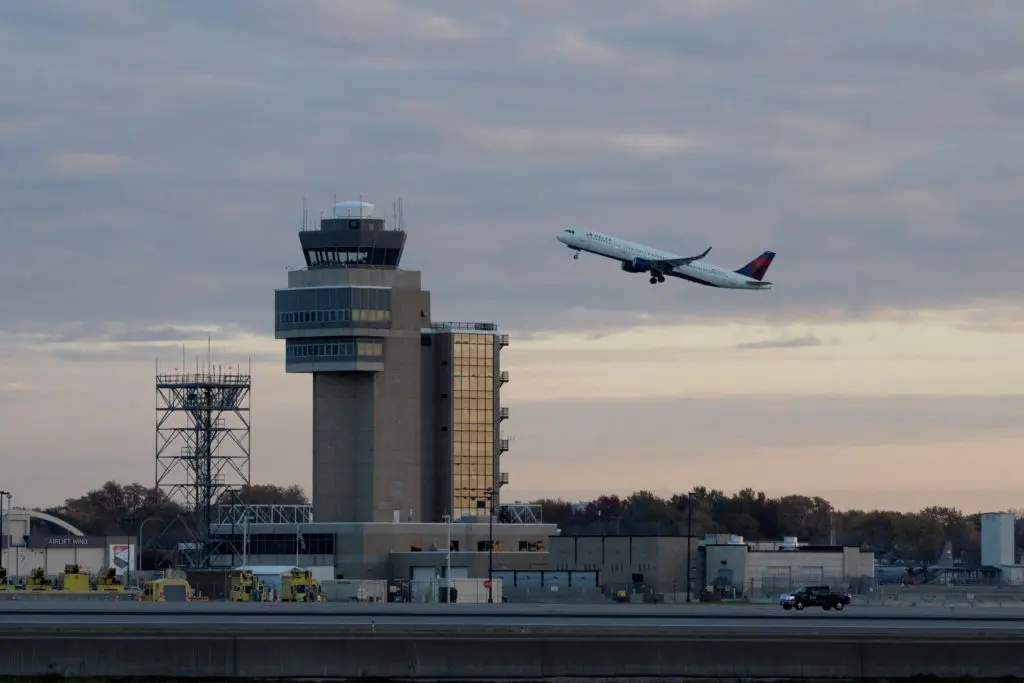 Air Traffic Control Failure Grounds Hundreds of U.S. Flights
The funding includes $80 million allocated specifically for immediate relief efforts. Carney revealed this figure while addressing delegates at the UN headquarters. He emphasized the urgent need for consistent international backing. The remaining funds will support longer-term recovery initiatives. This move signals Canada’s continued engagement in Middle Eastern diplomacy. It follows previous commitments made by other G7 nations. The timing highlights the intersection of global politics and humanitarian needs.
Does This Funding Change the Ground Game?
Carney disclosed the funding details prior to a scheduled meeting with British Prime Minister Andy Burnham. French President Emmanuel Macron also attended the session. The three leaders gathered to coordinate their responses to regional instability. Their joint presence underscored the importance of unified Western action. Carney used the platform to reinforce Canada’s role in global aid. The trilateral dialogue focused on sustaining pressure for peace. By announcing the sum beforehand, Carney set a tone of generosity. It demonstrated that bilateral and multilateral efforts are converging. The meeting provided a stage for visible solidarity among allies.
The $100 million injection is designed to reach those most affected by conflict. It targets infrastructure, health, and education sectors. Analysts note that such pledges often face implementation delays. However, the specific breakdown offers clarity on usage. The $80 million for immediate needs addresses acute shortages. The balance supports structural improvements in Palestinian territories. This approach mirrors strategies used in other post-conflict zones. It aims to prevent long-term dependency on emergency aid alone. The funds will be channeled through established international agencies. Transparency in distribution remains a key concern for donors.
Frequently Asked Questions
How much of the pledge is for immediate relief? Eighty percent of the total amount, or $80 million, is designated for urgent assistance. The remaining twenty percent supports long-term development projects. This split ensures both short-term survival and future stability.
Who else participated in the related discussions? British Prime Minister Andy Burnham and French President Emmanuel Macron were present. They met with Carney to align their diplomatic strategies. The collaboration reflects a shared commitment to regional stability.