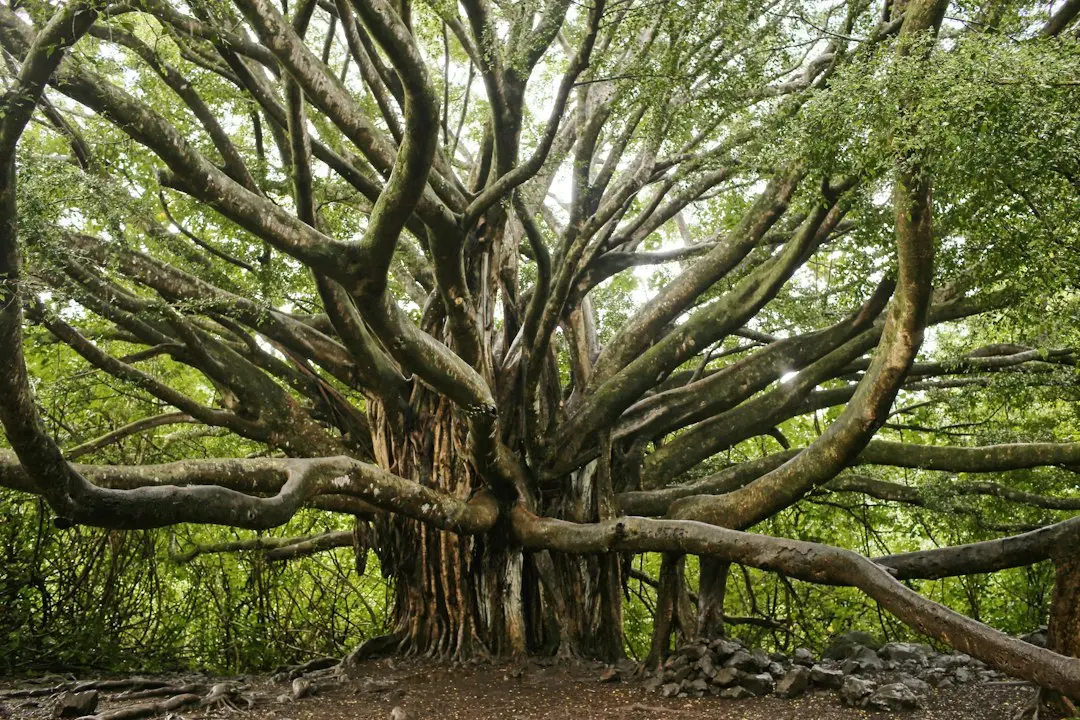
Tensions escalated as law enforcement monitored the site, leading to a standoff
Activists occupied a 200-year-old cottonwood tree in Lochiel, Arizona, for several days to protest the construction of the US-Mexico border fence. The tree, located on private land near the border, became a symbolic site of resistance before being cut down. Drone footage revealed the tree’s trunk split and mangled after its removal, marking the end of the tree-sit demonstration that drew attention to environmental and immigration concerns. The protest began when demonstrators climbed into the tree’s branches to halt work on the border barrier, arguing the project harms local ecosystems and disregards community ties. The cottonwood, estimated to be two centuries old, stood in a riparian zone along the San Pedro River, a corridor vital for wildlife migration. Authorities stated the tree was removed due to safety concerns and its proximity to construction zones, though activists claimed it was healthy and posed no risk.
Latest news
 Indian Court Orders Release of Youth Protest Movement Leaders Ahead of Major Demonstration
 Taiz hospitals face imminent collapse as Houthi siege intensifies
 Christian Identity in Britain Led by Non-Churchgoers, Study Finds
 US Justice Department Investigates News Outlets Over Trump Press Pool Boycott
Tensions escalated as law enforcement monitored the site, leading to a standoff that ended with the tree’s felling. Why Was This Tree Chosen for the Protest? Activists selected the cottonwood because of its age, ecological value, and visibility near the border wall’s path. They argued that destroying such a long-lived tree represented a broader disregard for environmental review in border security projects. The tree’s location in a migratory bird habitat amplified concerns about fragmentation of natural corridors. Protesters said the act of occupying the tree aimed to force federal agencies to reconsider the wall’s route and its impact on fragile desert ecosystems. What Are the Legal and Environmental Implications? The removal raised questions about compliance with environmental laws, including the National Environmental Policy Act, which requires assessments for federal projects.
While the wall construction has been exempted from certain regulations under
While the wall construction has been exempted from certain regulations under national security declarations, critics say such exemptions overlook cumulative ecological damage. Biologists noted the loss of mature trees like this one reduces shade, increases soil erosion, and eliminates nesting sites for endangered species. The incident has fueled ongoing debates about balancing border security with environmental stewardship in the Southwest. Frequently Asked Questions Was the tree on public or private land? The cottonwood stood on private property near the border, though activists argued its ecological impact extended to public resources and migratory pathways protected by federal agreements. Did protesters face legal consequences for the tree-sit? Several demonstrators were detained by authorities during the occupation, though charges varied and some were released after brief processing, according to local reports. How old was the tree, and why does its age matter?
Estimated to be around 200 years old, the tree’s maturity meant it provided critical habitat that younger trees cannot immediately replace, making its loss ecologically significant.