Testing Autonomous Logistics in Real-World Conditions
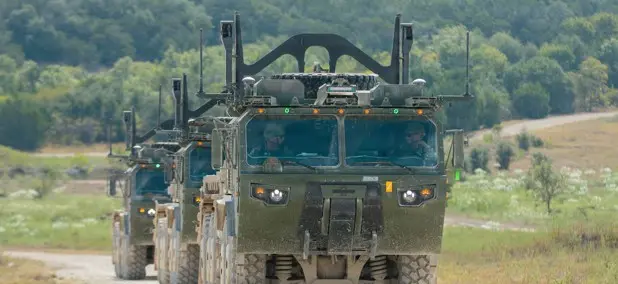
U. S. Army officials announced the renaming of Futures Command to Futures and Command during a reorganization briefing at Fort Hood, Texas, on September 24, 2026. The change reflects a strategic shift toward integrating autonomous technologies into core warfighting functions. Soldiers demonstrated the Autonomous Palletized Load System during the event, showcasing how self-driving logistics vehicles can resupply units without direct human control. The reorganization aims to streamline development and deployment of autonomous systems across ground, air, and logistics domains.
Latest news
 President Calls for Restraint in US-Iran Deal
 Rekindling a War: Netanyahu Urges Trump to Act on Iran Before Election
 Cairo to Host Palestinian Groups for Unity and Election Talks
 India's Cockroach Movement Leaders Remanded in Judicial Custody
The demonstration at Fort Hood featured multiple Autonomous Palletized Load System vehicles navigating simulated battlefield conditions while carrying supplies. Officials emphasized that the vehicles use onboard sensors and AI to avoid obstacles and adapt to changing terrain. The system reduces the need for convoys in high-risk areas, lowering exposure to enemy fire. Army leaders noted that early testing has shown a 30 percent reduction in manpower required for resupply missions. Feedback from soldiers involved in the trial highlighted improved reliability compared to earlier prototypes.
How Will Autonomy Change Frontline Operations?
Integrating autonomous systems into logistics could allow combat units to operate longer without relying on vulnerable supply lines. The Army plans to expand testing to include autonomous resupply in contested environments by 2027. Officials stressed that human oversight will remain critical, with operators monitoring systems from remote command centers. The renamed Futures and Command will oversee both the development of autonomous technologies and their integration into existing units. Leaders said the dual focus ensures innovation does not outpace practical field application.
What does the name change to Futures and Command signify? It reflects the Army’s commitment to advancing autonomous systems while maintaining command and control structures. The new name highlights the balance between innovation and operational authority.
Frequently Asked Questions
Will autonomous vehicles replace human drivers in the Army? Not entirely. The Army views autonomy as a tool to reduce risk and increase efficiency, not to eliminate human roles. Soldiers will continue to supervise and intervene when necessary.
When will autonomous logistics systems be deployed widely? Initial fielding is expected in select units by 2028, following further testing and validation. Full integration will depend on performance, safety, and soldier feedback.