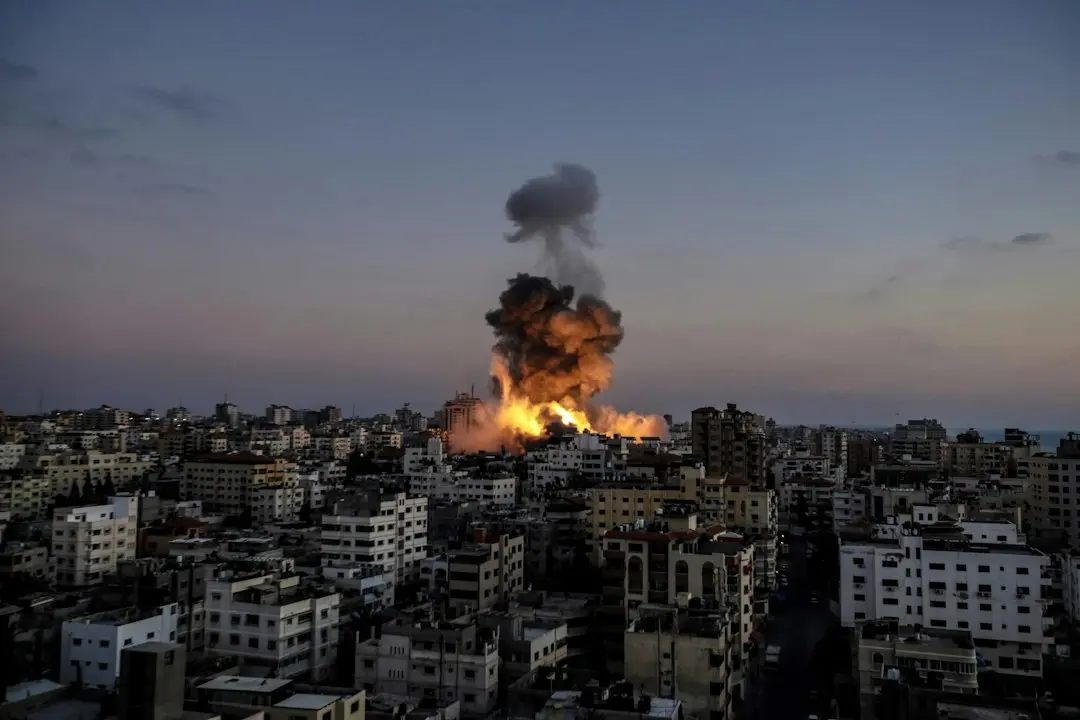
The Rise of the Palestinian Voicein Theatre
In the wake of Israel’s offensive in Gaza that began in March 2024, Broadway has begun to feel the political pressure. The theatre community, long known for its artistic freedom, is now forced to confront the question of where its loyalties lie. Actors, writers, and producers are grappling with the implications of a conflict that has already claimed thousands of lives and displaced millions.
Latest news
 Housing Crisis Threatens Spanish Government Stability
 Spaniards Demand Urgent Action Amid Mounting Housing Crisis
 Andy Burnham Wins Praise From Labour Voters Following Emotional Address
 One Nation launches Victorian election campaign with controversial policy pledges
The tension is most visible in casting decisions, production funding, and the content of new shows. Many producers are wary of staging productions that could be seen as sympathetic to either side, fearing backlash from donors, audiences, and the media. Meanwhile, actors of Palestinian descent report feeling sidelined, as their stories are rarely represented on stage and they face increased scrutiny when they do appear.
Will Broadway Become a Political Battleground?
The theatre world has seen a surge of interest in Palestinian narratives. Playwrights are writing about the diaspora, the struggle for identity, and the impact of war on families. However, the industry’s infrastructure still largely favors Western perspectives. Funding bodies, often tied to political donors, are reluctant to back projects that could be perceived as controversial. This creates a paradox: while the stories are in demand, the resources to bring them to life remain limited.
Actors of Palestinian heritage have spoken out about the lack of representation. One actor highlighted that auditions for roles set in Gaza are rare, and when they do occur, they are often scripted by non-Palestinian writers. The result is a disconnect between lived experience and the portrayal on stage. Critics argue that this disconnect perpetuates stereotypes and fails to capture the nuance of Palestinian life.
Frequently Asked Questions
The question remains whether the theatre industry will remain a neutral space or become a battleground for political ideologies. Some producers believe that maintaining artistic neutrality is essential to preserve the integrity of the art form. Others argue that silence is complicity, and that Broadway must use its platform to advocate for human rights. The debate has already sparked heated discussions among industry leaders, with some calling for a boycott of productions that support the opposing side.
The impact on audiences is also significant. Theatre-goers who previously enjoyed a wide range of stories now face a more polarized selection. Some audiences have organized protests outside theatres that stage politically charged productions, while others have called for more inclusive programming that reflects the diversity of the city.