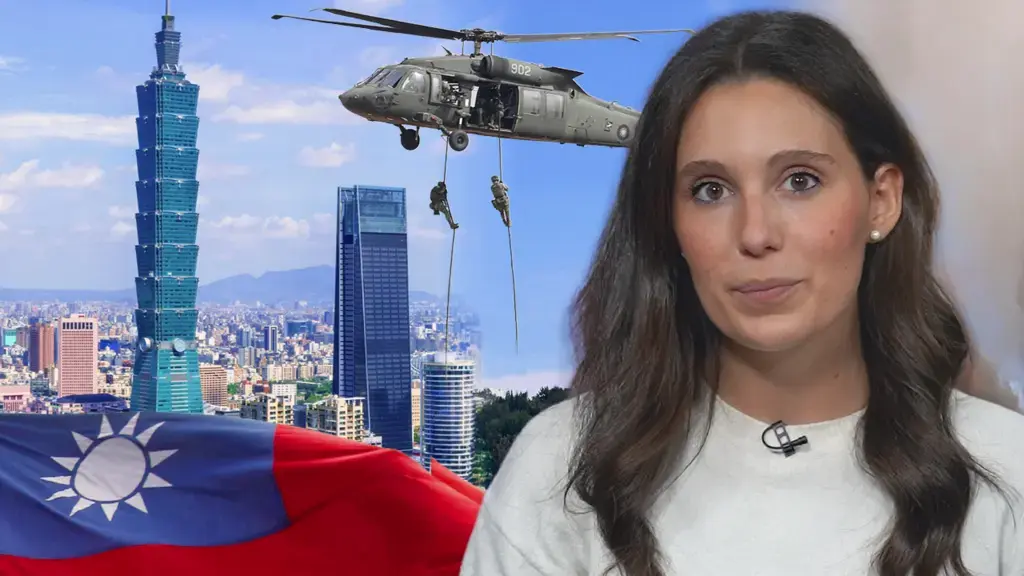
The Role of the United States in Taiwan's Future
After nearly ten years, former U. S. President Donald Trump is set to meet with Taiwanese officials. This meeting comes at a time of heightened tensions between Taiwan and China, raising concerns about the potential for conflict in the region.
Latest news
 Swedish Voters Choose New Parliament as Left-Wing Coalition Projects to Win Majority
 Trump Announces End of US Tariff on Irish Whisky
 Frances Stonor Saunders, Author of CIA Cultural Espionage Exposé, Dies at 66
 Israel and Lebanon to Hold Security Talks in Rome This October
The relationship between Taiwan and China has been fraught with tension for decades. China views Taiwan as a breakaway province, while Taiwan operates as a separate entity with its own government and democratic system. The stakes are high, as China has increased its military presence near Taiwan, conducting drills that many interpret as preparations for a possible invasion. Trump's visit signals a shift in U. S. engagement with Taiwan, which could further provoke Beijing.
The U. S. has long supported Taiwan through arms sales and political backing. This support is crucial for Taiwan's defense against potential aggression from China. Trump's meeting is likely to reaffirm this commitment, but it also risks escalating tensions. Experts warn that any perceived endorsement of Taiwan's independence could lead to a stronger military response from China.
Can Diplomacy Prevent a Clash?
In recent years, China's rhetoric has become increasingly aggressive. The Chinese government has emphasized its intent to unify Taiwan with the mainland, by force if necessary. This has prompted Taiwan to bolster its defense capabilities, with increased military spending and partnerships with allies like the U. S. The situation is delicate, as both sides are wary of miscalculations that could lead to open conflict.
Is there a way to avoid a military confrontation? Diplomatic efforts have been attempted but often fall short due to deep-seated mistrust. The U. S. has called for dialogue, but China remains firm in its stance on Taiwan's sovereignty. Meanwhile, Taiwan's government continues to seek international support, emphasizing its right to self-determination.
Frequently Asked Questions
As tensions rise, the consequences of a potential conflict could be catastrophic. A military confrontation between Taiwan and China could draw in the U. S. and other allies, leading to a broader regional conflict. Economically, the fallout could disrupt global supply chains, particularly in technology and manufacturing sectors.
What are the main concerns regarding Taiwan and China? The primary concerns include China's military threats toward Taiwan and the possibility of a U. S. military response. The situation could escalate quickly, affecting regional stability.
How does the U. S. support Taiwan? The U. S. provides military aid and political backing to Taiwan, promoting its defense capabilities against potential Chinese aggression. This support is crucial for Taiwan's security.