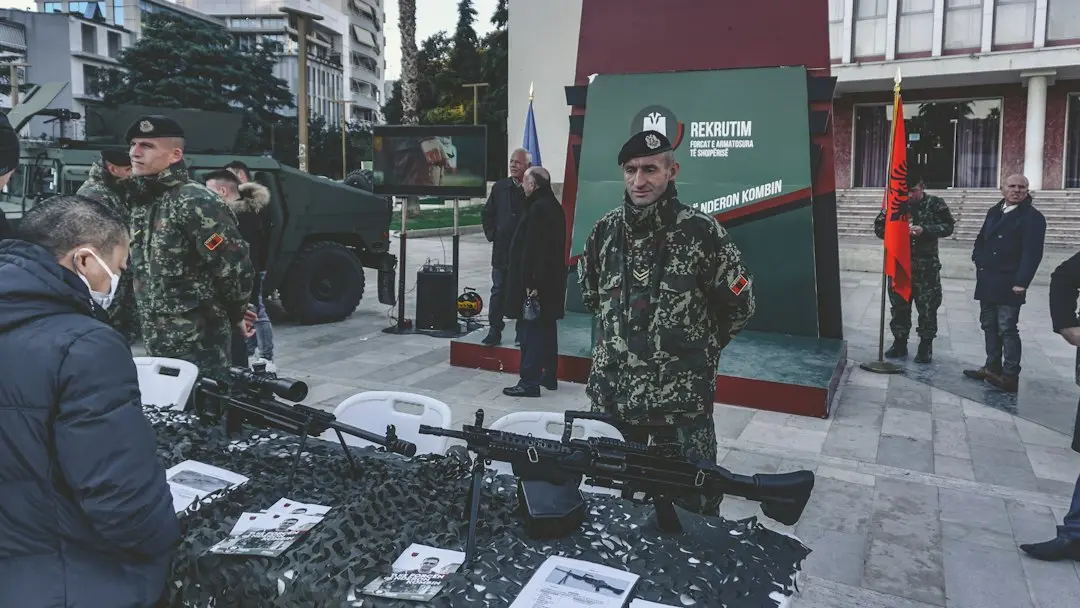
He urged the EU to create a more integrated defence framework
The chief of the British armed forces, General Sir James Reynolds, delivered a stark warning on Thursday, October 1, 2026. He stated that a large‑scale war across Europe would render the continent’s security unassailable and that European nations must shoulder greater responsibility for their own defence. The remarks were made during a briefing in London, addressing policymakers, defence officials and the media. Reynolds explained that the current reliance on external guarantees, particularly from the United States, is insufficient if a conflict erupts on the continent. He urged European leaders to strengthen joint military capabilities, increase defence spending, and foster closer cooperation among NATO allies.
Latest news
 Male Birth Control Pill Nears Reality After Long Wait
 UK 30-Year Government Bond Yields Surge to 6%, Highest Since 1998
 Sanaa Takaichi Tightens Rules for Foreigners Seeking Japanese Permanent Residency
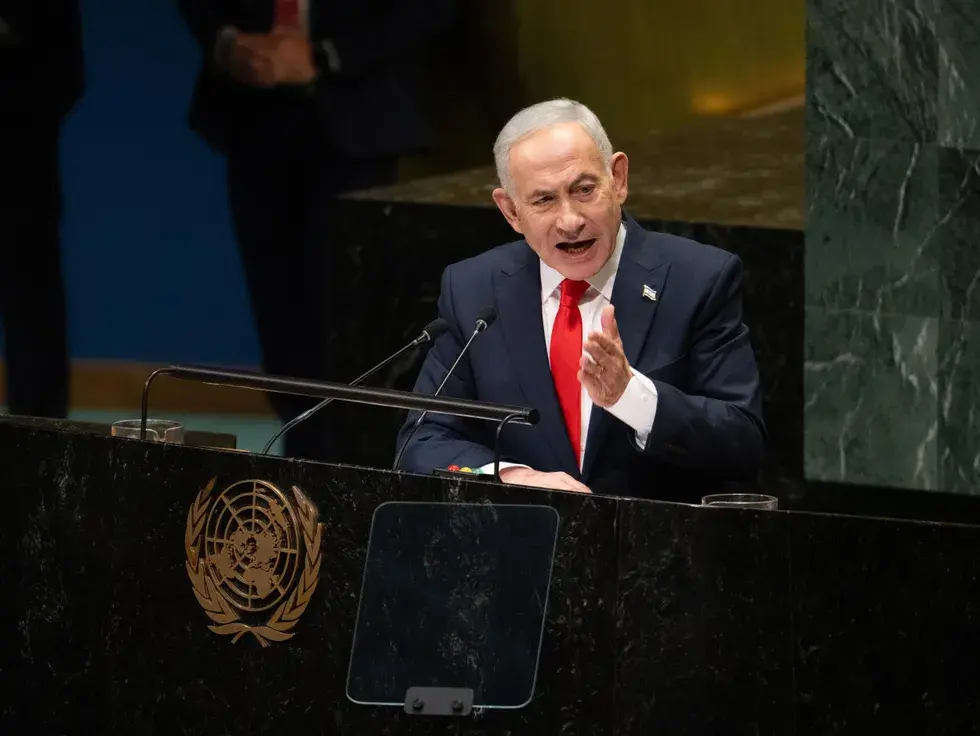 Netanyahu Accuses Erdogan of Seeking Control Over Syria
The general cited recent tensions in Eastern Europe and the rapid escalation of cyber and hybrid threats as evidence that Europe cannot afford to remain passive. The Limits of External Guarantees Reynolds highlighted that the United States’ strategic focus has shifted toward the Indo‑Pacific, leaving a vacuum in European security. He warned that if a major conflict were to ignite, European forces would be stretched thin and unable to respond effectively without substantial domestic resources. The general cited NATO’s current readiness levels, noting that many member states still rely heavily on American air and missile defense systems. He called for a reassessment of defence budgets, urging each country to allocate at least 2% of GDP to modernise equipment and personnel. The British military chief also pointed out that the European Union’s political unity does not automatically translate into military cohesion.
He urged the EU to create a more integrated defence framework, including shared procurement and joint training exercises. „Europe must act as a single entity on the battlefield, not as a collection of isolated states,” he said. Can Europe Build a Self‑Sufficient Defence? What steps can European nations take to reduce dependence on external powers? Reynolds suggested a multi‑pronged approach. First, he recommended establishing a European Rapid Reaction Force, staffed by volunteers from member states and equipped with interoperable technology. Second, he advocated for increased investment in cyber‑defence infrastructure, citing recent attacks on critical utilities. Third, he urged the creation of a European intelligence‑sharing platform to detect and counter hybrid threats in real time. He also emphasized the importance of civilian‑military collaboration, noting that resilient civil infrastructure is essential during wartime.
Q2: What specific budget increase does Reynolds suggest?
The general called for joint exercises that simulate scenarios involving cyber‑attacks, misinformation campaigns, and rapid troop deployments. „Preparedness is not just about tanks and jets; it’s about a society that can withstand and recover from modern warfare,” he remarked. The consequences of ignoring these recommendations could be severe. A fragmented defence posture may lead to delayed responses, higher casualties, and a loss of strategic autonomy. Conversely, a unified European defence could deter potential aggressors and maintain stability across the continent. Frequently Asked Questions Q1: Why is the British military chief focusing on European defence? A1: Britain’s strategic interests are closely tied to European stability. A large‑scale conflict would disrupt trade, supply chains, and security arrangements that Britain relies on.
Q2: What specific budget increase does Reynolds suggest? A2: He recommends that each European country raise its defence spending to at least 2% of GDP, aligning with NATO’s target and ensuring modern capabilities.
Q3: How can Europe improve cyber‑defence according to the general? A3: By establishing a shared cyber‑defence platform, investing in resilient infrastructure, and conducting joint exercises that simulate cyber‑attack scenarios.