
Hybrid Warfare: A New Frontier for European Security
French President Emmanuel Macron spoke at the Elysee Palace on Thursday, warning that Russia is intensifying hybrid attacks against Europe. He urged the government to step up protection of critical infrastructure and key sites. The address came amid growing concerns over cyber‑disinformation and sabotage linked to Moscow. Hybrid attacks combine cyber‑operations, propaganda, economic pressure and covert sabotage. They aim to erode public trust, disrupt services, and destabilise governments. France is already coordinating with the European Union to share intelligence and strengthen defenses. Macron said the state must lead the effort to safeguard national security.
Latest news
 Ukraine Strikes Persist While Russian Polling Stations Open for Election
 Macron Calls French Party Leaders Together as Energy Costs Surge Amid Iran and Ukraine Conflicts
 US Voters Oppose War on Iran, 71% Say Trump Administration Lacks Strategy
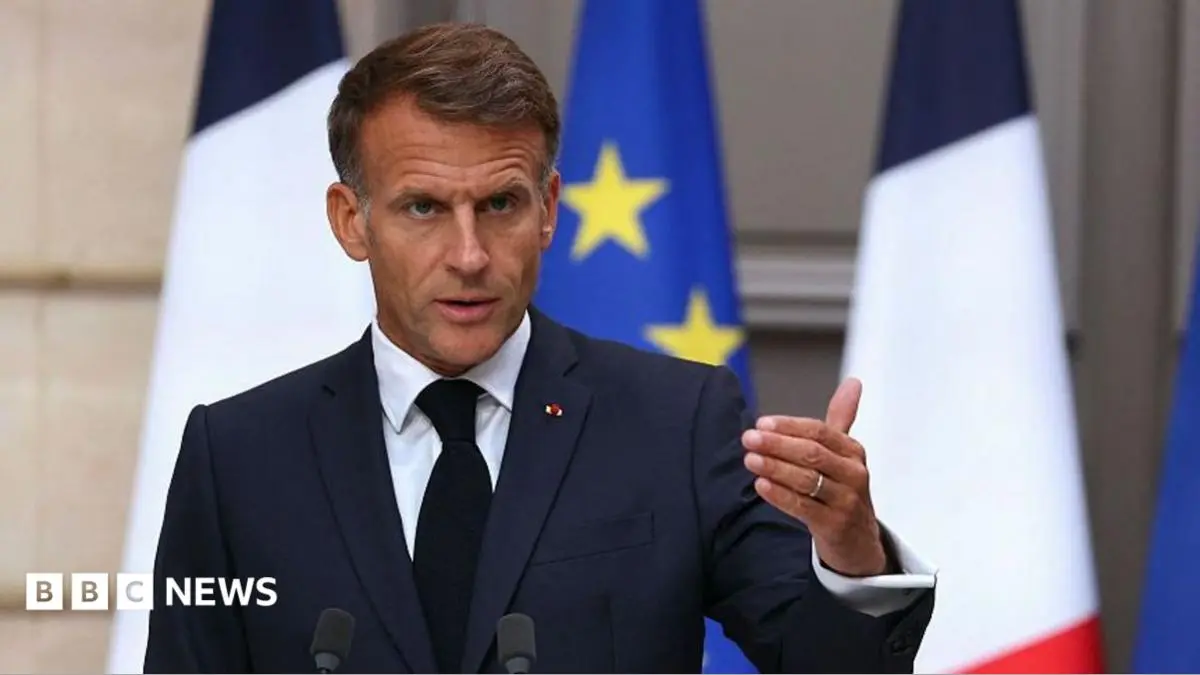 French President Warns of Rising Russian Hybrid Threats to Europe
Hybrid warfare is not a single tactic but a blend of methods that blur the line between peace and war. Cyber‑attacks can cripple power grids, banking systems and communication networks. Disinformation campaigns spread false narratives to polarise societies. Economic pressure can target strategic industries. Russia has used all these tools in recent years to influence elections and sow discord. The European Union has recognised the threat, but many member states still lack unified protocols for rapid response. France’s call for heightened vigilance reflects a broader shift in European security policy, moving from traditional deterrence to a more comprehensive, multi‑domain defence strategy.
Strengthening Defenses: France’s Response and EU Coordination
In response, the French government has enacted new legislation that expands the powers of the national cybersecurity agency. The agency will monitor potential threats to critical infrastructure, including energy, transport and water supply. Macron announced a new task force that will coordinate with European partners, sharing real‑time intelligence on suspicious activity. The task force will also conduct joint exercises to test response plans. Additionally, France is investing in public awareness campaigns to educate citizens about misinformation and phishing attacks. The European Union is drafting a common framework for information sharing, aiming to streamline cooperation across borders. This framework will allow member states to alert each other within minutes of detecting a cyber‑attack or sabotage attempt.
The consequences of inaction could be severe. A successful hybrid operation could disrupt essential services, erode confidence in democratic institutions and create a climate of fear. By acting now, France hopes to deter future attempts and reassure its allies. The government’s measures also signal to Russia that Europe is prepared to counter hybrid threats. However, the effectiveness of these steps will depend on sustained investment and political will across the continent.
What is a hybrid attack? A hybrid attack blends cyber‑attacks, propaganda, economic pressure and covert sabotage to destabilise a target without a conventional war. It targets infrastructure, information, and public trust.
Frequently Asked Questions
How is France protecting its critical infrastructure? France has expanded its cybersecurity agency’s authority, created a joint task force with EU partners, and launched public education campaigns. New laws allow faster response to cyber‑threats.
What does this mean for the European Union? The EU is moving toward a unified information‑sharing framework. Member states will coordinate more closely to detect and counter hybrid threats, strengthening collective resilience.