Participants include forces from the United States, Germany, Poland, and the
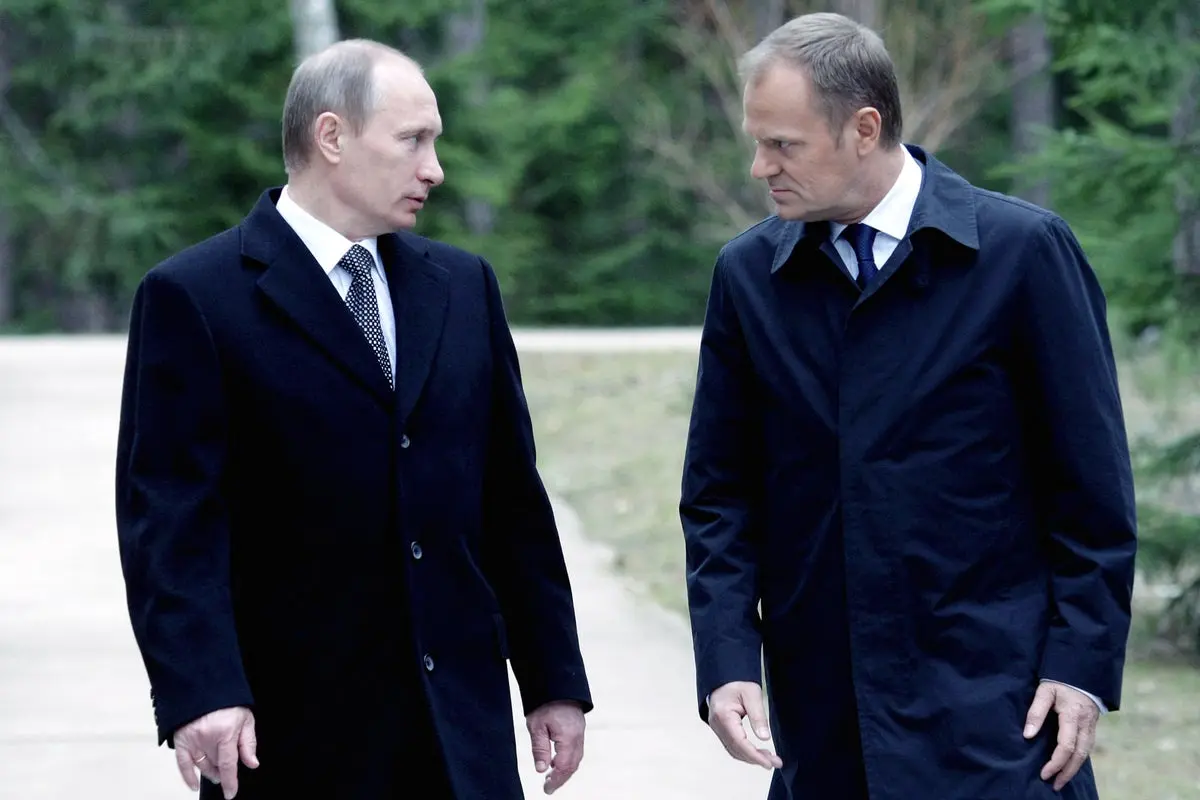
As NATO allies intensify preparations for a potential Russian offensive, military exercises are unfolding across Europe, blending strategic simulations with live-field drills. These war games, conducted both around conference tables and on training grounds, aim to test readiness and coordination among member states. The heightened activity follows repeated warnings from intelligence agencies about Moscow’s possible aggression against a NATO member. The exercises involve multinational troops practicing defense scenarios, logistics under pressure, and rapid response protocols. Officials say the goal is not to provoke but to deter through visible strength and preparedness. Analysts note that while the drills are routine in nature, their scale and frequency have increased significantly since the invasion of Ukraine, reflecting a shift in alliance strategy toward heightened vigilance. How Are These Simulations Shaping NATO’s Defense Posture? The war games incorporate cyber threats, hybrid warfare tactics, and disinformation campaigns alongside traditional combat scenarios.
Latest news
 UN Expands Settlement Blacklist With 61 New Firms
 Labour Party Conference Signals New Leadership and Political Direction
 Trump Renames Vital Waterway in Social Media Post
 Blood Pressure Drop Can Shield the Brain
Participants include forces from the United States, Germany, Poland, and the Baltic states, often operating under unified command structures. Intelligence inputs from recent conflicts are being integrated to improve realism. Commanders emphasize that the exercises help identify gaps in communication and interoperability before a real crisis occurs. What Risks Come With Heightened Military Readiness? Officials acknowledge that increased military activity could fuel misperceptions or escalate tensions if misinterpreted by Moscow. There is concern that propaganda or accidental incidents during drills might be exploited to justify further aggression. Psychological effects on troops and nearby populations are also being monitored, as prolonged alertness can lead to stress and fatigue. Diplomatic channels remain open to reduce the risk of misunderstanding. Frequently Asked Questions Are these war games a sign that NATO expects an imminent attack?
No, officials state the exercises are precautionary and designed to maintain deterrence, not to signal expectation of immediate conflict. Which countries are most involved in the current exercises? The United States, Germany, Poland, and the Baltic nations are leading participants, with contributions from other NATO members based on regional focus. How does NATO ensure the drills don’t provoke Russia? NATO stresses transparency, inviting observation where possible, and maintains that defensive preparations are not aggressive in intent.